Doc Talk | Asthma And Air Pollution: Why You May Breathe Fine By Day But Struggle At Night
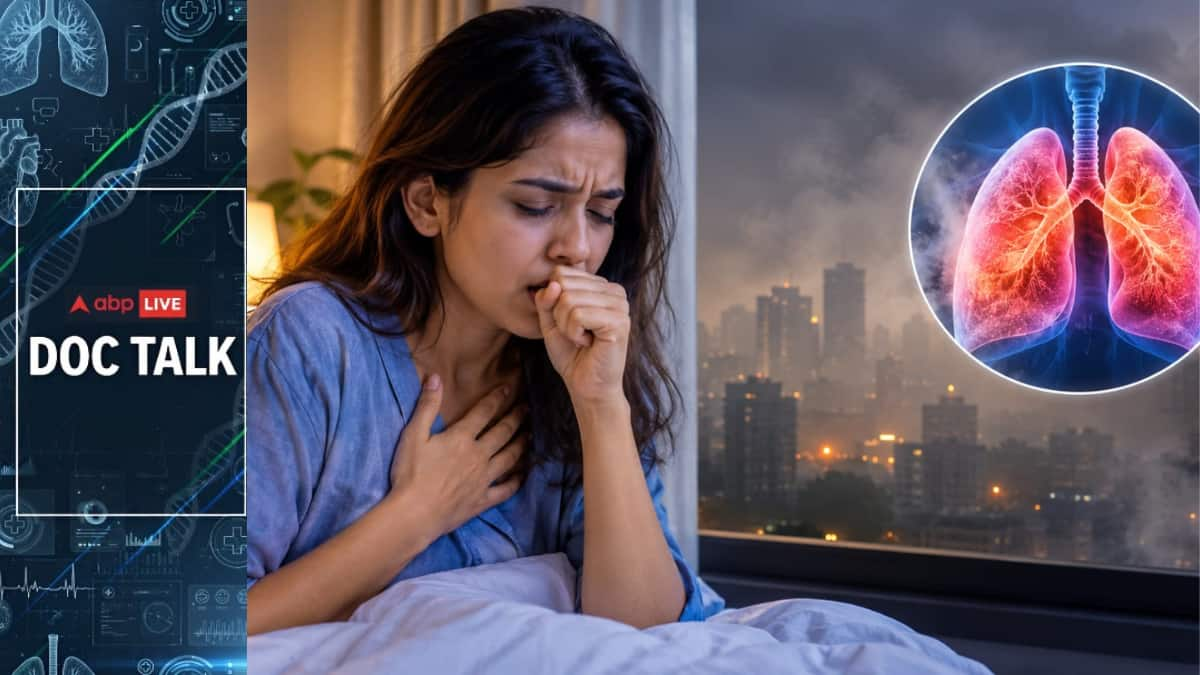
Asthma symptoms often get worse at night, and more so when air pollution is high. Someone who has no trouble breathing during the day may still wake up coughing, wheezing, or with a tight chest. Pollution may not be the only cause, but it irritates airways that are already sensitive and makes symptoms harder to manage.
How Air Pollution Can Worsen Asthma
In asthma, the airways become inflamed and narrow, which makes breathing difficult. Fine particulate matter (PM2.5), nitrogen dioxide, and ground-level ozone can irritate the respiratory tract and add to that inflammation. People with asthma are more likely to have flare-ups when they breathe these pollutants, particularly if their condition is poorly controlled.
ALSO READ | Doc Talk | Delhi Air Pollution: What Happens To Your Lungs When You Work Out Outside?
Why Are Asthma Symptoms Worse At Night?
Lung function dips naturally over the course of a day and is usually at its lowest in the early hours of the morning. In people with asthma, this makes the airways more likely to tighten. Dust mites in mattresses and pillows, pet dander and mould can also trigger symptoms during sleep.
Pollution can make things worse. Outdoor pollutants find their way indoors through windows and ventilation, while indoor smoke, cooking fumes and incense can irritate the airways further. Shutting the windows cuts down exposure to outside air, but it doesn’t remove the irritants inside the house.
ALSO READ | Doc Talk | Typing All Day And Waking Up With Numb Hands? Know The Possible Cause
The link between air pollution and worsening asthma is well documented. A 2024 review in *Allergy* pointed to a connection between outdoor pollution and asthma-related emergency visits and hospital admissions. Not every night of coughing can be attributed to pollution. Respiratory infections, allergens, and poorly controlled asthma can look similar. However, if your breathing gets worse when air quality drops, pollution can be one of your triggers.
What Warning Signs Should You Look For?
An odd cough isn’t unusual, but losing sleep over breathing problems regularly is problematic. Pay attention to a cough that persists at night, wheezing, chest tightness, or breathlessness that gets worse towards morning. Reaching for your reliever inhaler more often than usual is another sign.
Symptoms at night can mean your asthma isn’t well controlled, even if you feel fine during the day. Recurring episodes should be assessed by a doctor, who can review your treatment. Get emergency medical help if you have severe breathlessness, can’t speak in full sentences, have bluish lips, or find that your rescue medication isn’t helping.
How Can You Protect Your Lungs?
Check the local Air Quality Index (AQI), especially when pollution is heavy. When outdoor air is poor, spend less time outside and keep windows shut to stop polluted air from coming in. A good HEPA air purifier may bring down indoor particle levels. Avoid smoking indoors, burning incense or using products that release strong fumes.
Don’t stop your prescribed asthma medication once you feel better, and don’t increase the dose without a doctor’s advice. Inhaled corticosteroids control airway inflammation and are a key part of treatment for many people with asthma. If you wake up breathless several nights a week, don’t blame the weather or pollution alone. Talk to your doctor about your symptoms, inhaler technique and treatment plan.
You can’t control the air outside, but you can limit its effect on you. Noticing night-time symptoms early and acting on them can keep a manageable problem from turning into an emergency.
Disclaimer: The information provided in the article is shared by experts and is intended for general informational purposes only. It is not a substitute for professional medical advice, diagnosis, or treatment. Always seek the advice of your physician or other qualified healthcare provider with any questions you may have regarding a medical condition.
This content is published by ABP Live - Health and has not been created or edited by Hello Headlines. View original