7 Ways to Use Tulsi at Home, From Herbal Tea to Traditional Remedies
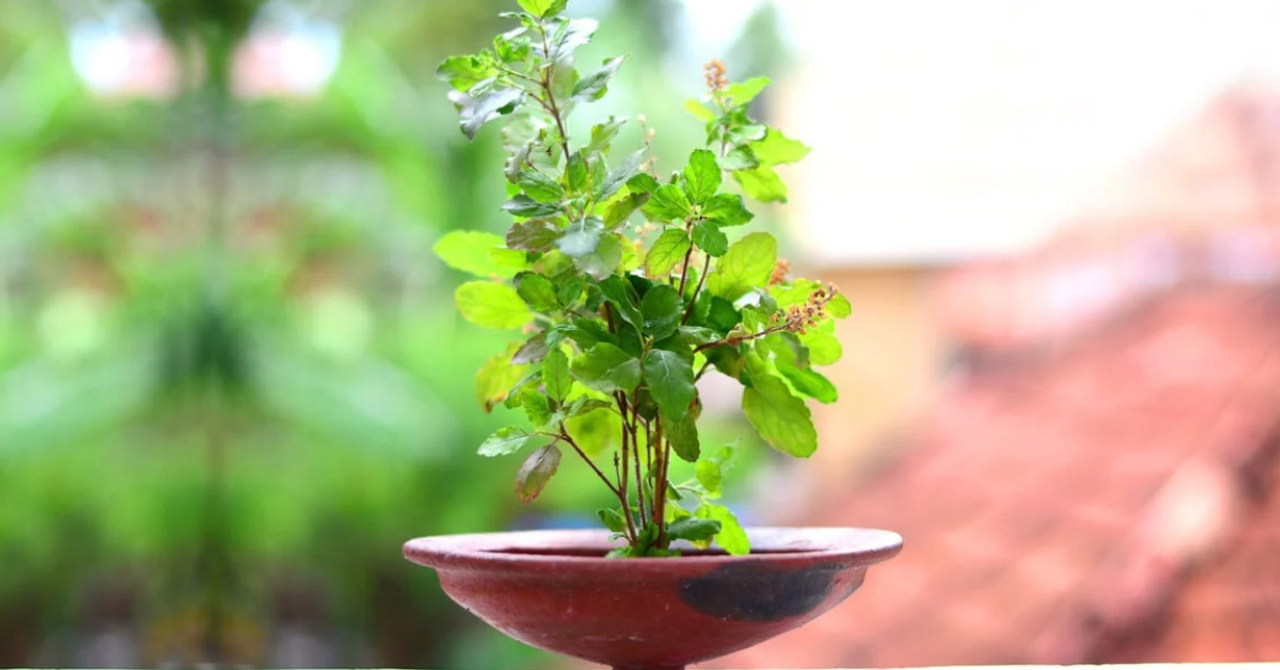
A few tulsi leaves in a cup of hot water, a handful in homemade kadha, or a plant growing in a sunny balcony corner. In many Indian households, tulsi is familiar in all these forms. Its fragrant leaves have been used in traditional home remedies, herbal drinks, and everyday household practices, making it one of the most recognisable herbs grown at home.
November is a good time to turn our attention to this plant. As the monsoon recedes and cooler weather sets in across much of India, families reach for warm herbal drinks and traditional preparations. Tulsi can be grown in pots or garden beds, making fresh leaves easily accessible for everyday use. It needs some protection from cold weather in frost-prone areas, but generally grows well with adequate sunlight and well-drained soil.
Known by its botanical name, Ocimum tenuiflorum, it is also called holy basil. It has a long history in Ayurveda and contains aromatic compounds that have attracted scientific interest. From the kitchen to traditional household practices, here are some of the many ways this familiar plant is used.
1. A common ingredient in home remedies
When someone develops a cough or complains of a sore throat, tulsi leaves may be among the first ingredients taken out of the garden. They are mostly used in homemade kadha, often alongside ginger, black pepper, and other kitchen ingredients.

A systematic review published in 2017 in Evidence-Based Complementary and Alternative Medicine examined human studies on tulsi and reported promising findings in areas including stress and metabolic health. The researchers also highlighted the need for more rigorous studies. Traditional use does not establish that tulsi can cure infections or replace medical treatment.
2. Adding flavour to tea and herbal drinks
A few fresh tulsi leaves can lend a distinctive aroma to a cup of tea. Some households add them to regular chai with ginger, while others steep the leaves in hot water to prepare a simple herbal infusion.
These drinks are particularly appealing on chilly November mornings and evenings. Having this plant at home means fresh leaves are within easy reach whenever someone wants to make a cup.
The leaves have a strong flavour, so a small quantity is usually enough. Ginger, lemon, and other ingredients can be added according to personal preference.
3. A source of aromatic essential oil
Crush a tulsi leaf gently between your fingers, and its fragrance becomes immediately noticeable. The scent comes from volatile compounds present in the plant, including eugenol.
Its aromatic properties have attracted interest beyond traditional household use. Its essential oil and constituent compounds have been studied for potential applications in medicinal products, flavours, and fragrances.
A 2015 release from the Government of India’s Press Information Bureau, discussing research into the tulsi genome by CSIR scientists, highlighted the plant’s potential for further scientific and commercial applications.
4. Studied for its insect-repellent properties
The plant has long been associated with keeping insects away in traditional household practices. Researchers have investigated the insect-repellent properties of its essential oil and certain compounds found in the plant.

However, there is a difference between testing concentrated oils under controlled conditions and growing this plant in a pot. The presence of the plant alone cannot be relied upon to protect a home from mosquitoes. Bed nets, window screens, and proven repellents remain more dependable ways to prevent bites.
5. A traditional addition to grain storage
Before modern storage products became widely available, households relied on different plant materials in their efforts to protect stored food. Tulsi leaves have been mentioned in traditional practices involving stored grains, where their aroma was believed to discourage insects.
Such practices reflect how families used plants available around them to address everyday needs. However, its leaves should not replace proper grain drying, airtight containers, or established methods of preventing pest infestations.
6. A plant that can be grown in small spaces
The plant does not require a large garden. A pot placed in a sunny spot can be enough to grow the plant, provided it has well-draining soil and receives suitable care.
November can be a comfortable time for gardening in many parts of India after the rains have ended. It generally benefits from sunlight and moderate watering, but it needs protection from frost and harsh cold in colder regions. Waterlogged soil should be avoided, as it can damage the roots.
Regularly checking the leaves for pests and removing damaged growth can help keep the plant healthy. Once established, it can provide fresh leaves for household use without taking up much space.
7. Used in traditional wellness practices
Tulsi has also received attention for its possible role in supporting general wellbeing. A systematic review published in 2017 examined studies involving human participants and found preliminary evidence of benefits relating to stress, mood, and certain metabolic measures.

The findings are interesting, but they do not mean that drinking tulsi tea or eating its leaves will necessarily produce these effects. The studies varied in their methods and preparations, and more research is needed to establish appropriate doses, long-term safety, and effectiveness.
For households that already grow this plant, its place in traditional wellness practices is another reason the plant has remained popular. It is important, however, to distinguish between customary use and benefits established through clinical research. As November brings cooler mornings to many parts of the country, the humble plant offers a timely reminder of how much can come from a single pot in the garden.
This content is published by The Better India and has not been created or edited by Hello Headlines. View original