Turning 40? Doctors Recommend These 3 Tests To Keep Your Heart Health In Check
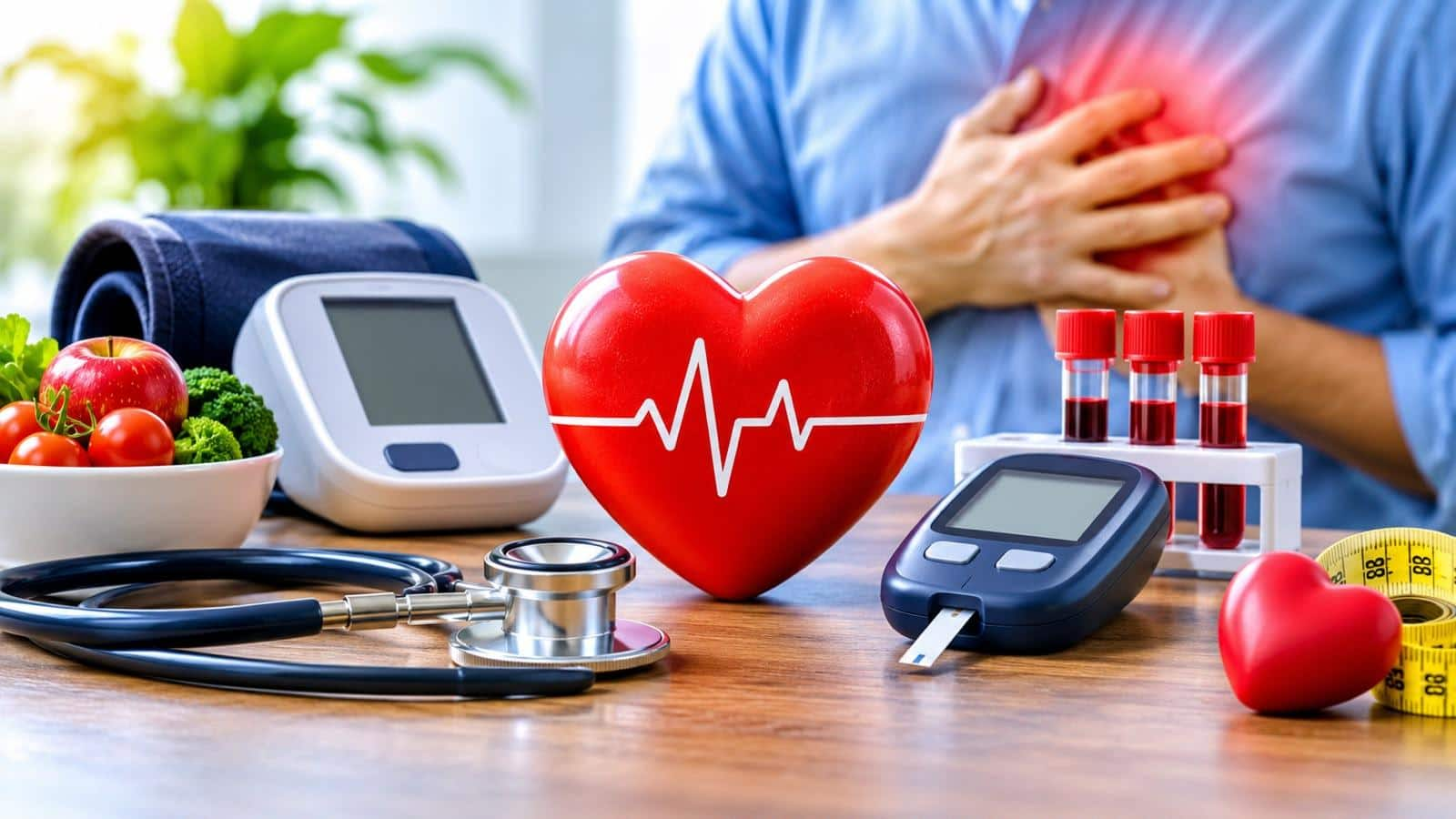
Heart Tests After 40: Today's hectic lifestyle, poor eating habits, mental stress, and increasing obesity are adversely affecting people's health. This is why even younger people are falling victim to serious heart diseases and heart attacks. Often, blood pressure or high cholesterol levels quietly develop in the body without any major symptoms, and people only become aware of them when the situation becomes serious.
Health experts say that once a person crosses the age of 40, it becomes essential for them to pay special attention to their body and heart health. Experts recommend that after 40, everyone should undergo three key tests at regular intervals to identify any potential risks early.
Regular Blood Pressure Checkup Is Most Important
According to experts, high blood pressure is considered the leading cause of heart disease. Often, high blood pressure doesn't show any outward symptoms, which is why it's known as a silent killer. People over the age of 40 should have their blood pressure checked at least once a year.
People with a stressful lifestyle or pre-existing health conditions can also have their blood pressure checked every three months, as advised by a doctor. Monitoring blood pressure regularly can prevent sudden increases in blood pressure.
Lipid Profile Test To Determine Cholesterol Levels
The second most important test is the lipid profile, which measures the amount of fat and cholesterol in our blood. This test determines the levels of total cholesterol, LDL, HDL, and triglycerides.
Experts specifically caution that elevated levels of LDL (bad cholesterol) should never be ignored, as it can gradually accumulate in the heart's arteries and cause blockages. Safe cholesterol levels vary depending on individual body types and risk factors.
ALSO READ | Dr Shiv Kumar Sarin Busts Popular Liver Detox Myths, Explains What Really Works
Keep An Eye On Diabetes With Blood Sugar
The third mandatory test is a blood sugar test. Experts say that diabetes is directly linked to an increased risk of heart disease. Regular blood sugar testing can help determine whether a person has diabetes or prediabetes.
Prediabetes is a condition where blood sugar levels are higher than normal but haven't fully progressed to diabetes. If this condition is detected early, dietary adjustments, regular exercise, and weight management can help prevent it from progressing to type 2 diabetes.
ALSO READ | Doc Talk | Indoor Air Pollution: 5 Things You Do At Home That Could Trigger Asthma And Coughing
Do Not Ignore Family History And Bad Lifestyle
Experts emphasize that those with a family history of heart disease, including a parent or close relative, need to be extra cautious. In addition to genetic factors, tobacco or smoking, lack of sleep, alcohol, and an unbalanced diet can all rapidly deteriorate heart health.
Doctors believe that medical screening does not provide a complete guarantee of avoiding the disease, but it helps in detecting the hidden risk factors in the body in time, so that preventive measures can be taken before a serious situation arises.
This content is published by ABP Live - Lifestyle and has not been created or edited by Hello Headlines. View original