How a Rs 500 Cr bet put Bihar Museum ahead of the Met and Louvre
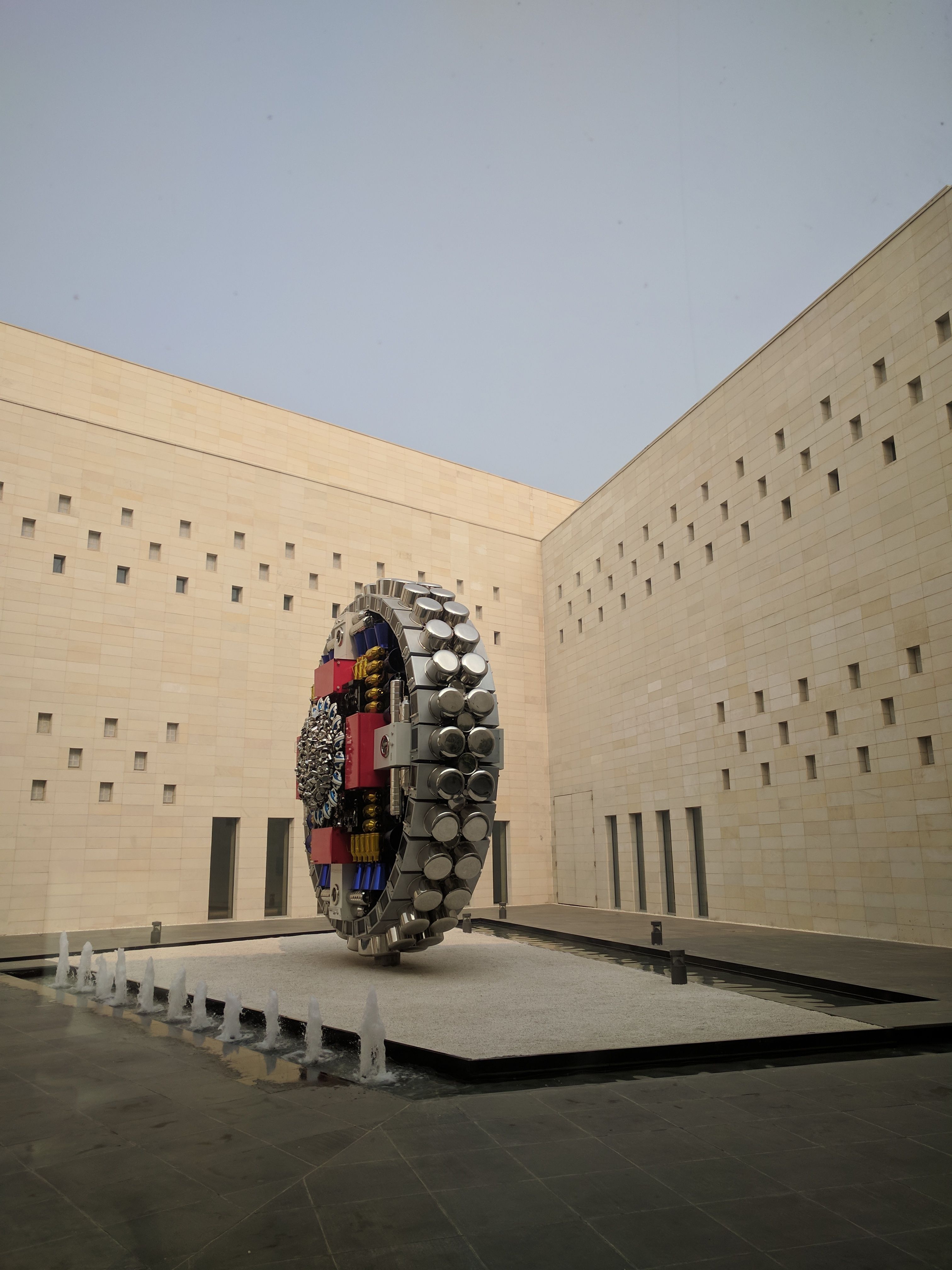
Bihar Museum in Patna was recently ranked ahead of New York's Metropolitan Museum of Art and the Louvre in Paris. The museum has secured the ninth place on The World's 100 Best Museums 2026, published by German travel guide Worth a Journey. The Met stands tenth and the Louvre 31st. It is the only Indian institution on the list and the highest-ranked museum in Asia. For a museum that opened barely a decade ago, it is a significant achievement. More so because there was a time when the project itself faced serious opposition, with questions raised about its cost, relevance and the way it was being executed.
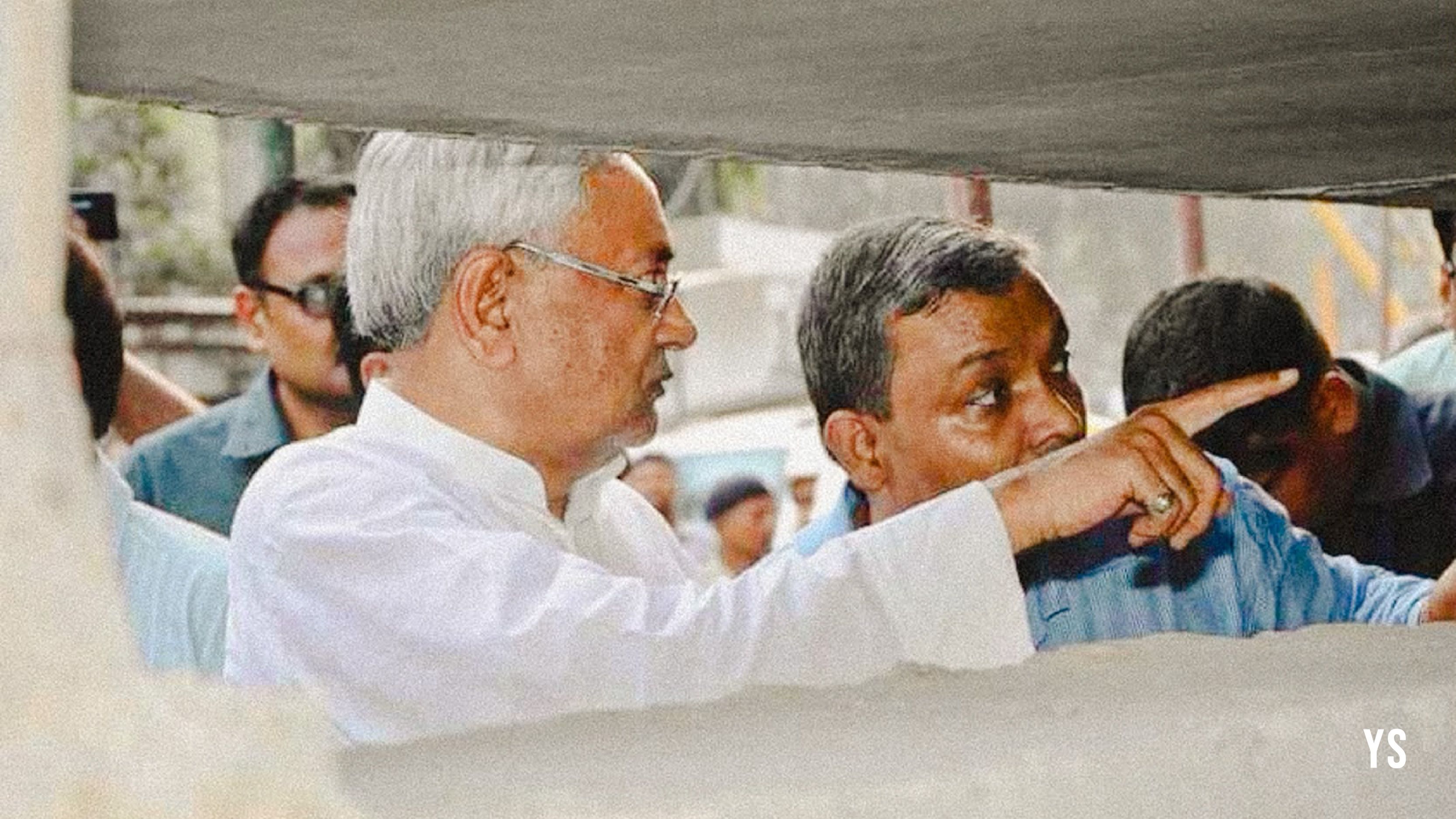
Reflecting on the recognition in a recent LinkedIn post, YourStory Founder and CEO Shradha Sharma recalled the roles played by two people in getting the museum built: Nitish Kumar, who championed the project as Bihar's Chief Minister, and 1992-batch IAS officer Chanchal Kumar, who was entrusted with its execution. When the state government proposed spending nearly Rs 500 crore on a world-class museum in Patna, the decision attracted criticism. Why should a state struggling with basic infrastructure invest so much in a museum? Who would visit it? Could the money have been better spent elsewhere? According to Sharma, even people within the political establishment questioned the proposal. Nitish Kumar, however, stood by the project, convinced that Bihar needed an institution worthy of its historical and cultural heritage.
This Diwali, this one is for everyone who has ever been written off.
— Shradha Sharma (@SharmaShradha) November 6, 2026
A museum in Patna now ranks above the Met in New York and the Louvre in Paris. The Bihar Museum is 9th on the World’s 100 Best Museums list for 2026 put out by the German travel guide Worth a Journey. The Met is… pic.twitter.com/1sUAvkUqfh
Getting the museum built
The challenges began with the land. According to Sharma, the proposed 13-acre site had seven government bungalows, some occupied by senior officials and a state minister. Getting the occupants to vacate required considerable administrative effort and legal intervention. She also recounted an incident in which men allegedly linked to local politicians entered the construction site demanding subcontracts, prompting police intervention. The museum was designed by Pritzker Prize-winning Japanese architect Fumihiko Maki in collaboration with Mumbai-based architectural firm Opolis, while Larsen & Toubro was selected to construct it. But appointing internationally recognised architects and an established construction company was only part of the challenge. Getting the project completed was another matter.
The museum also faced judicial scrutiny. In June 2015, the Patna High Court, hearing a public interest litigation, criticised the expenditure of approximately Rs 500 crore and questioned the transparency of the contracting process. The court held that the project was not in the public interest but declined to halt construction because the building was nearing completion. Those findings remain an important part of the museum's history. Its international recognition does not erase the questions raised about public spending and governance, although the institution has since gained recognition well beyond Bihar.
Sharma credits much of the execution to Chanchal Kumar, who held the dual responsibility of Secretary of Art and Culture and Secretary of the Building Construction Department.
The arrangement meant that both the museum's cultural vision and its construction came under the same officer. Sharma said she recently read his account of how the museum came together and was struck by how little he spoke about his own contribution. Behind the finished building were years of navigating approvals, land disputes, administrative resistance and the many complications that accompany a large public project. In Sharma's telling, Nitish Kumar's political backing and Chanchal Kumar's persistence were crucial to seeing it through.
A reminder of Bihar's strengths
For Sharma, who grew up in Bihar, the recognition carries a more personal meaning. Few places in India can claim the kind of historical and intellectual inheritance that Bihar possesses. Bodh Gaya is where the Buddha attained enlightenment. Vaishali is closely associated with Mahavira. Ancient Pataliputra was the capital of the Mauryan Empire under Ashoka, while Patna is the birthplace of Guru Gobind Singh. Nalanda and Vikramshila were among the great centres of learning in ancient India. Yet Bihar's present-day image often has little to do with this extraordinary history. Its achievements are celebrated in textbooks, but the state has struggled to build contemporary institutions that attract the same admiration.
Sharma drew on an episode from the Ramayana to explain what the museum means to her. Before Hanuman makes his leap across the ocean to Lanka, Jambavan reminds him of the strength he has forgotten. Bihar, she suggested, needed a similar reminder of what it is capable of achieving. The museum offers one. Its galleries house sculptures, coins, manuscripts and artefacts that bring the region's history to life, including the celebrated Didarganj Yakshi. And now, a German travel publication has placed it among the world's ten best museums, ahead of institutions with far longer histories and international reputations. The ranking is one publication's assessment, but it is nevertheless a significant moment for a museum that faced so many questions during its creation.
This content is published by YourStory and has not been created or edited by Hello Headlines. View original