No Painted Houses, No Black Clothes, No Shoes! Inside MP’s 400-Year-Old Village Traditions That Still Govern Everyday Life In Ratlam
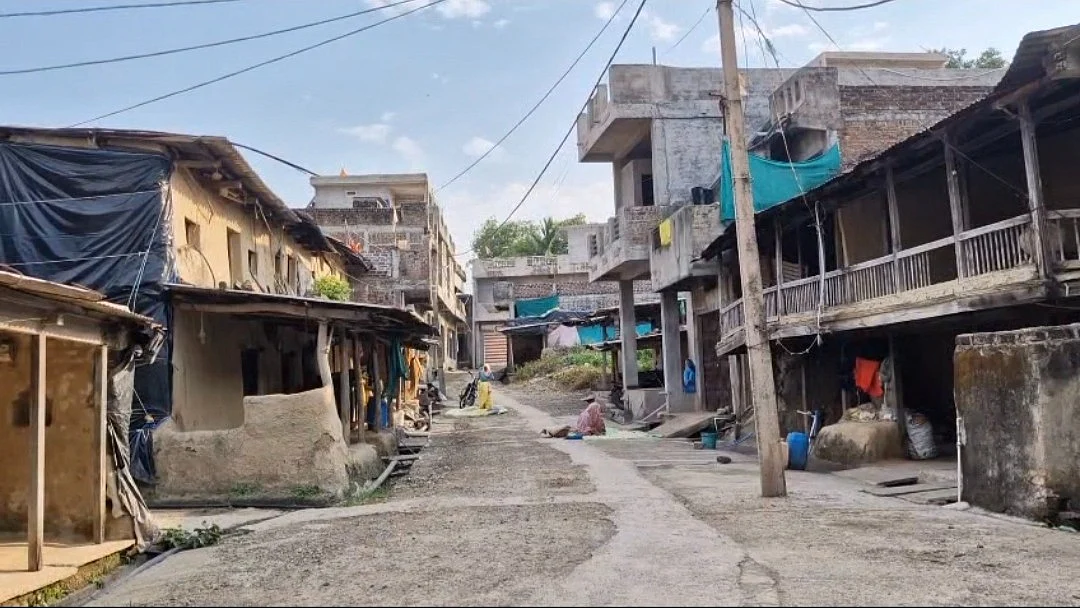
Ratlam (Madhya Pradesh): A village where houses remain unpainted for 400 years, black clothes and footwear are avoided, drinking water is never filtered through cloth and grooms cannot ride a mare past a temple.
Welcome to Kachhaliya, where centuries-old beliefs continue to shape everyday life despite changing times.
Located around 90 km from Ratlam district headquarters, between Tal and Alot, Kachhaliya has nearly 1,200 residents living in approximately 700 houses.
Its unusual customs are rooted in religious faith associated with Baba Kaleshwar and Bhairav Baba.
According to villagers, the tradition of leaving houses unpainted dates back four centuries.
Local folklore links the practice to an incident involving alleged disrespect towards Baba Kaleshwar, giving rise to the belief that painting walls invites misfortune.
Even houses constructed under the Pradhan Mantri Awas Yojana remain unpainted.
Residents recount instances of financial losses and other misfortunes among families that defied the custom, although no established connection exists.
The village has neither 'khoya' furnaces nor brick kilns. Residents also avoid black clothes, shoes and socks.
Drinking water directly from wells is preferred, while filtering it through cloth is considered contrary to tradition.
Teacher Anil Pathak, who has served in the village for 30 years, said these practices have continued across generations.
Marriage ceremonies also follow specific restrictions. Grooms do not ride mares past the shrine of Bhairav Baba as a mark of respect towards the deity.
Kachhaliya's most striking tradition unfolds on Dhulandi, when hundreds of devotees walk barefoot over burning embers during the 'Chul' ceremony at the temple. People from neighbouring areas also gather to witness the ritual.
Residents belonging to Rajput, Dhakad, Goswami and other communities observe these customs. Villagers believe prayers offered at the shrines of Baba Kaleshwar and Bhairav Baba fulfil wishes.
Despite modern amenities and changing lifestyles, these beliefs remain central to Kachhaliya's social and religious identity.
Indore Municipal Corporation Gears Up For Diwali! Commissioner Orders Urgent Road Repairs, Special Cleanliness Drives, Fire Safety Measures And Water Tankers On StandbyThis content is published by Free Press Journal and has not been created or edited by Hello Headlines. View original