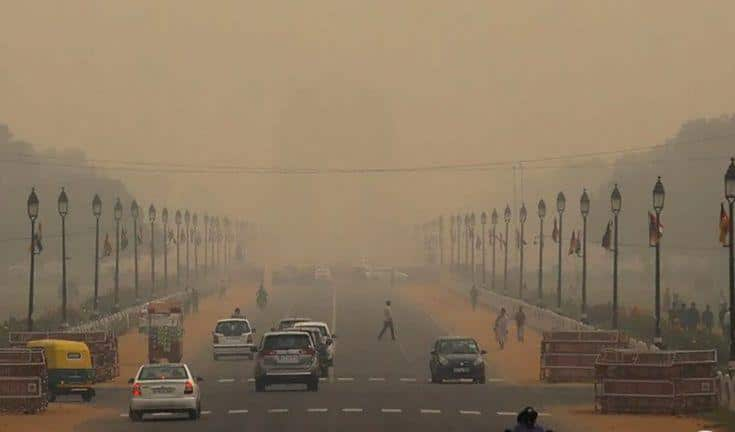
Doc Talk | How Diwali Air Pollution Affects Your Eyes And Puts Your Vision At Risk
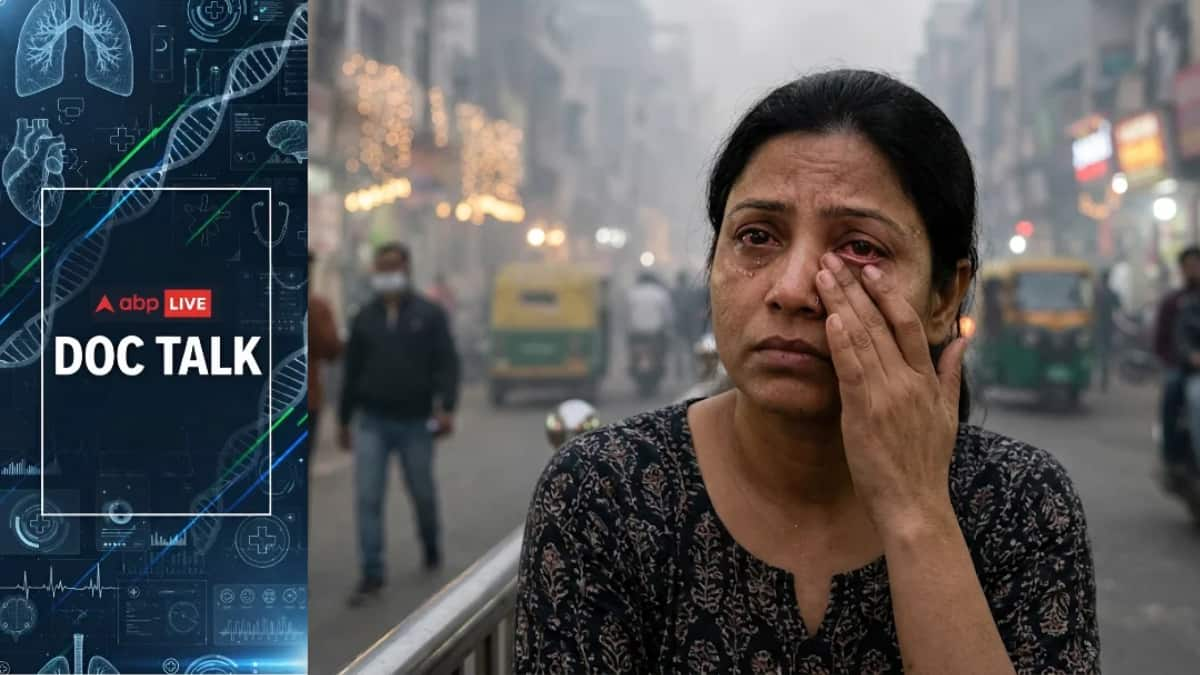
The fireworks are gone in seconds. The pollution they leave can linger for days. Most people worry about what this toxic air is doing to their lungs, but few realise that their eyes are one of the first organs to come into contact with it.
That burning, redness that won’t go away, feeling like there’s sand in your eyelids may be more than just an irritation. It could be a sign of inflammation and damage to the delicate surface that protects your sight.
ALSO READ: Doc Talk | Can Gut Bacteria Affect Spondyloarthritis? Doctor Explains The Link
When Every Blink Is An Exposure To Pollution
Smoke from firecrackers contains fine particulate matter, toxic gases and chemical irritants. Such pollutants can damage the tear film, the microscopic layer of protection that covers the eye.
Once this barrier is broken, the cornea is more likely to become dry, inflamed and injured on the surface. In susceptible individuals, chronic exposure can worsen existing eye disease and in severe cases result in painful corneal complications.
The scary bit? Even when major irritation is brewing, your eyes can just look slightly red. Are you risking your vision by ignoring burning eyes? Symptoms alone are not a reliable indicator of the severity of the injury.
Most pollution irritation is temporary. But do not ignore serious or persistent symptoms.
People with dry eye disease, contact lens wearers, children and older adults could be particularly vulnerable. Corneal infections can progress quickly and threaten vision. Pain and redness in contact lens wearers necessitate prompt assessment.
ALSO READ: Doc Talk | Typing All Day And Waking Up With Numb Hands? Know The Possible Cause
Five Precautions To Help Protect Your Eyes
1. Do not rub burning eyes; friction may aggravate surface injury.
2. When appropriate, use preservative-free lubricating drops.
3. Do not wear contact lenses until the symptoms have disappeared.
4. Avoid outdoor activity when pollution reaches serious levels.
5. Never self-treat with steroid eye drops, which may aggravate certain infections.
Warning signs requiring immediate ophthalmic evaluation are severe pain, light sensitivity, sudden blurred vision or decreased vision.
The greatest hazard is not burning eyes every time, but thinking every time is okay. If vision is involved, waiting for treatment may sometimes result in irreversible consequences.
Disclaimer: The information provided in the article is shared by experts and is intended for general informational purposes only. It is not a substitute for professional medical advice, diagnosis, or treatment. Always seek the advice of your physician or other qualified healthcare provider with any questions you may have regarding a medical condition.
This content is published by ABP Live - Health and has not been created or edited by Hello Headlines. View original