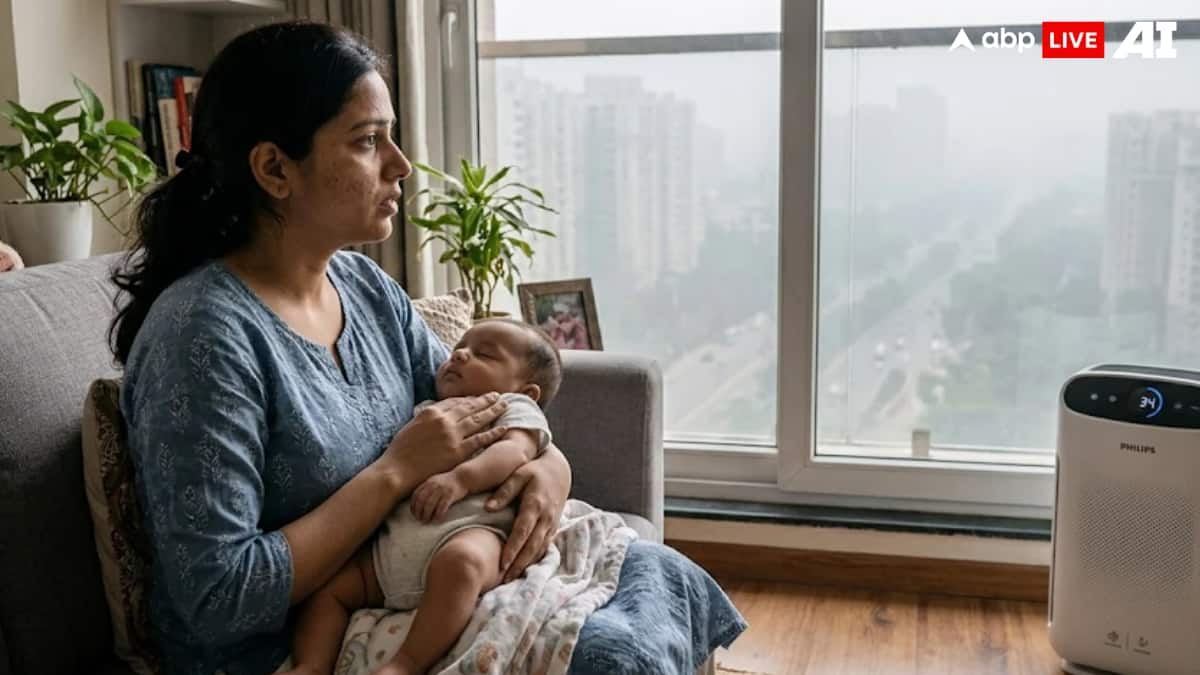
Delhi AQI Crosses 400: 5 Health Complications Caused By Prolonged Exposure To Toxic Air
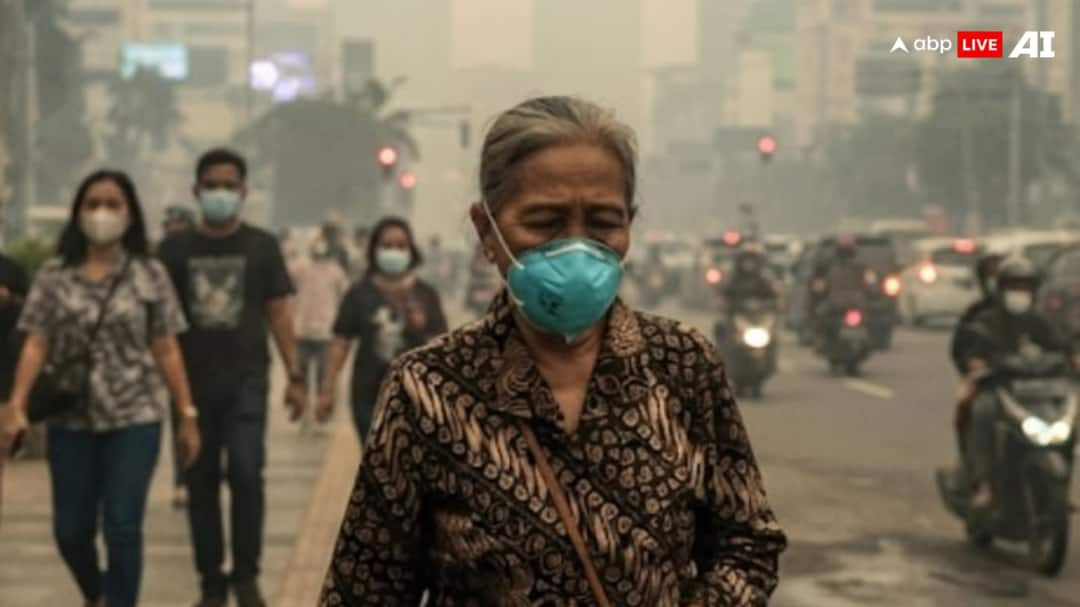
Delhi's air quality deteriorated sharply after Diwali, with the Air Quality Index (AQI) crossing 400 on November 9. The air quality entered the severe category following widespread fireworks and firecracker use, adding to the pollution that had already affected Delhi-NCR for several days.
Air pollution does more than make the air unpleasant to breathe. Exposure to toxic air can affect several organs, including the lungs, heart and blood vessels. While initial symptoms may include throat irritation, burning eyes and persistent coughing, prolonged exposure can lead to more serious health complications.
What Happens Inside The Body When AQI Rises?
The Air Quality Index increases when the concentration of one or more pollutants in the air rises. India's Central Pollution Control Board (CPCB) classifies AQI into six categories: good, satisfactory, moderate, poor, very poor and severe.
During pollution episodes in Delhi, particulate matter such as PM2.5 and PM10 plays a significant role in deteriorating air quality.
ALSO READ | Burning While Urinating? 7 Early Signs Of UTI And Kidney Infection You Should Never Ignore
AQI Between 100 And 200: Early Effects On The Respiratory System
When AQI approaches 100, sensitive individuals may experience mild breathing discomfort. As pollution levels rise towards 200, the risks increase for children, older adults and people with existing heart or lung conditions.
Fine particles such as PM2.5 can penetrate deep into the lungs and reach areas where oxygen enters the bloodstream. Exposure may cause irritation in the eyes, nose and throat, along with inflammation in the airways.
The body may also produce more mucus, while people with asthma or chronic obstructive pulmonary disease (COPD) may experience worsening symptoms. Even otherwise healthy individuals can develop breathing discomfort or experience breathlessness during exercise.
AQI Between 200 And 300: Pollution Can Trigger Inflammation
Prolonged exposure to polluted air can increase inflammation and oxidative stress in the body. Oxidative stress occurs when reactive molecules overwhelm the body's antioxidant defences, potentially damaging cells.
At this level, people with asthma, COPD or heart disease may experience worsening symptoms. Healthy individuals may also develop coughing, chest tightness and reduced ability to perform physical activities.
ALSO READ | Mothers Share Post-Diwali Pollution Worries; Here's What Doctors Recommend For Babies Amid Rising AQI
AQI Between 300 And 400: Prolonged Exposure Can Affect Heart And Lungs
AQI levels between 301 and 400 fall under the very poor category. According to CPCB, prolonged exposure to air pollution at this level can cause respiratory illnesses and make existing breathing problems difficult to manage.
People with heart conditions may also experience additional strain. Continuous exposure can maintain inflammation and stress within the body, making pollution-related health effects more than just temporary throat irritation or coughing.
AQI Above 400: Even Healthy People Face Health Risks
An AQI between 401 and 500 falls under the severe category, the highest level in India's national AQI system.
At this level, even healthy individuals may experience respiratory problems, while people with existing illnesses can face serious complications.
Symptoms may include persistent coughing, throat irritation, wheezing, chest tightness and difficulty breathing. Exposure to fine particulate matter has also been associated with an increased risk of heart attacks, irregular heart rhythms and strokes.
Air Pollution Does Not Affect Only The Lungs
According to Dr Nikhil Rajvanshi, Consultant Paediatric Pulmonologist, Allergy and Sleep Specialist at Rainbow Children's Hospital, Delhi, air pollution can affect almost every organ in the body.
When a person breathes polluted air, fine particles such as PM2.5 can travel deep into the lungs and, in some cases, enter the bloodstream. This may increase inflammation and oxidative stress, worsening asthma, COPD and respiratory infections.
Long-term exposure has also been associated with heart disease, stroke and reduced lung function.
Children, older adults, pregnant women and people with pre-existing heart or lung conditions are particularly vulnerable.
Persistent coughing, wheezing, breathlessness, throat irritation or chest tightness during pollution episodes should not be ignored.
Who Is More Vulnerable To Air Pollution?
Certain groups face a higher risk of pollution-related health complications, including:
- Children and older adults
- Pregnant women
- People with existing heart or respiratory diseases
- Individuals with asthma or COPD
- People who work outdoors for extended periods
- Traffic police personnel, construction workers and delivery workers may face greater exposure because they spend considerable time outdoors.
How To Protect Yourself From Toxic Air
As pollution levels rise, monitoring daily AQI becomes important. Experts recommend avoiding outdoor exercise during periods of high pollution and using a properly fitted N95 mask when stepping outside during severe pollution episodes.
Keeping indoor spaces as clean as possible may also help reduce exposure.
If you experience persistent breathing difficulties, chest pain or tightness, do not dismiss these symptoms as routine pollution-related discomfort. Seek medical attention when necessary.
[Disclaimer: The information provided in the article is intended for general informational purposes only. It is not a substitute for professional medical advice, diagnosis, or treatment. Always seek the advice of your physician or other qualified healthcare provider with any questions you may have regarding a medical condition.]
This content is published by ABP Live - Health and has not been created or edited by Hello Headlines. View original