Mothers Share Post-Diwali Pollution Worries; Here's What Doctors Recommend For Babies Amid Rising AQI
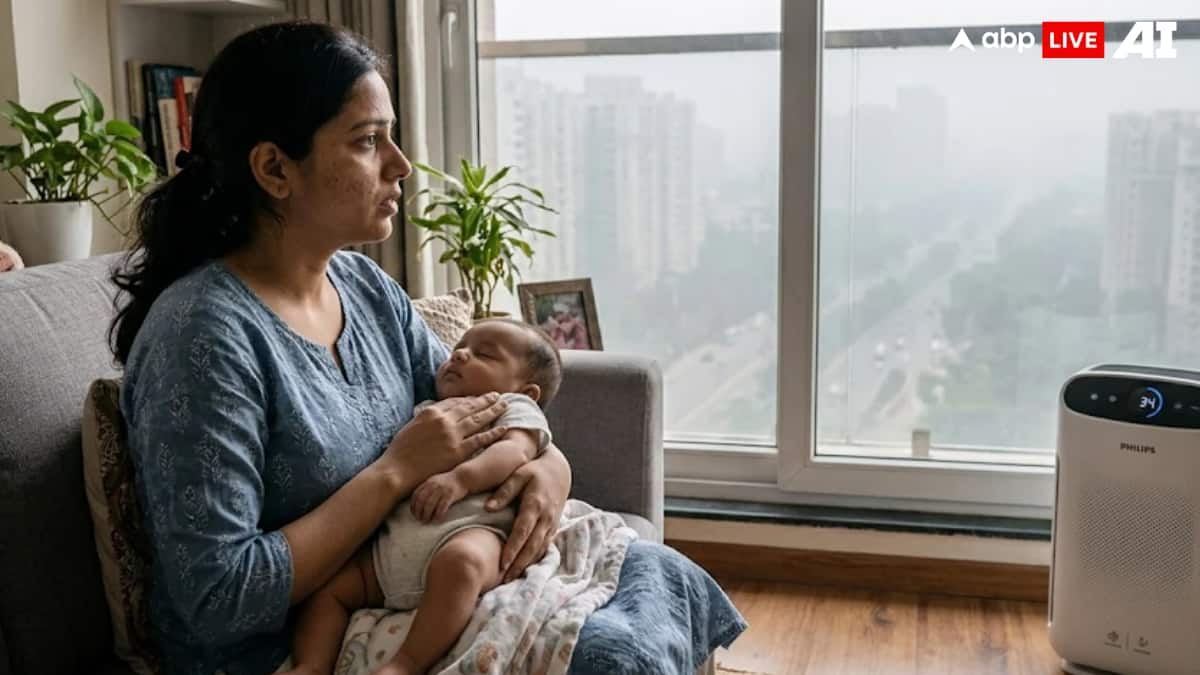
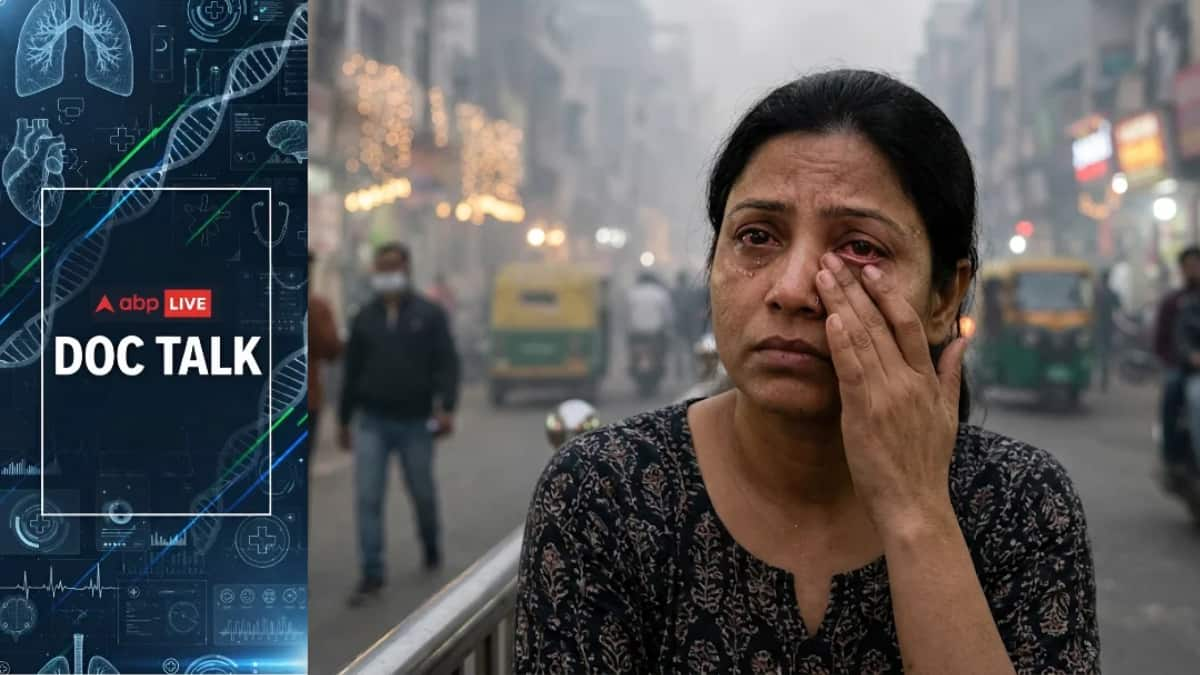
The Diwali celebrations may be over, but for mothers of infants and toddlers, concerns about air pollution are far from over. With air quality remaining hazardous across Delhi-NCR following widespread firecracker bursting, parents are increasingly worried about the impact of toxic air on their children's developing lungs. From keeping babies indoors and running air purifiers throughout the day to reconsidering festive outings, families are changing their routines to limit exposure. Mothers share how pollution has affected their Diwali celebrations and why they are concerned about their children's future, while paediatricians explain the precautions parents should take and the warning signs they must not ignore.
ALSO READ: 137 Cancer Medicines Become Cheaper: How Drug Prices Are Determined In India
How Mothers Are Changing Their Diwali Celebrations Amid Rising Pollution
For Sakshi Gupta, a mother of two daughters, aged six years and 10 months, Diwali is more about family traditions than bursting crackers.
"We don't burst crackers. I have told my elder kid, who can now actually understand, how crackers affect animals and our health as well. Diwali for us is family time, get-togethers, decorating the home, wearing festive clothes and exchanging gifts with our loved ones," she told ANI.
The family celebrated at home with prayers, festive outfits and photographs. However, worsening air quality has also forced Sakshi to reconsider outdoor activities for her children.
Explaining the precautions she has adopted, she said, "Keeping the kids more indoors, avoiding unnecessary outdoor activities for them, using purifiers and a humidifier for my infant especially, and keeping a check on her breathing and overall health."
The family is also considering a short break after Diwali, hoping to spend a few days somewhere with cleaner air.
"We are even planning to go for two to three days post-Diwali to a place where the AQI is at least better than here," she added.
For Anuja, whose daughter is just three months old, the pollution has brought back memories of celebrating Diwali as a child. However, she wonders if today's generation will ever experience the festival in quite the same way.
Remembering her childhood celebrations, she said, "I think mujhe abhi bhi yaad hai main apne dad ke saath jaati thi with my siblings to buy crackers. We were very excited to buy sweets and new clothes. We used to do puja together, but that time I don't think so itna pollution hota tha."
The contrast with the present has been particularly striking. Anuja recalled stepping out with her husband to distribute festive gifts to friends, leaving their baby at home.
"It was zero visibility. When I compare it with the times when I was a kid, I don't think so aise zero visibility hoti thi Diwali pe. Itni garmi nahi hoti thi Diwali pe. I still remember when I used to go and watch Ram Leela. Nahi hoti thi itni garmi. Bohot thand hoti thi. We used to wear sweaters," she recalled.
She believes environmental changes and rising temperatures have altered the way people experience festivals, adding to parents' worries about the conditions in which their children are growing up.
The pollution was so severe that she avoided visiting her mother's home to light a diya, a ritual she traditionally follows every Diwali.
"I checked AQI live. It was too bad and very disheartening to see so much pollution. People were still burning crackers. I don't think anybody cares about nature anymore, especially in Delhi. It's all about food and pollution. I think Delhi is not the same as before. And for my baby, I am very worried," she shared.
Her concerns are reflected in the growing number of appliances occupying her room, which has become a space dedicated to managing indoor air quality.
"Air purifier, humidifier, steriliser, etc. My room is occupied with all these devices. When I was a kid, or my brother was a kid, my younger brother, or other babies who were born 10 years ago, my nephew, my niece, they were never brought up with all these devices," she said.
For Anuja, the worry extends beyond the immediate pollution levels. She fears that children growing up today may miss out on the carefree festive experiences she remembers.
Tamanna, another mother whose baby is eight months old, also chose to prioritise her child's safety over festive outings.
She kept her daughter indoors with an air purifier and humidifier running, avoiding visits to markets and outdoor celebrations.
"We kept her with the air purifier and humidifier all day for the last two to four days. We did not go out to see lights, patakha or anything. I used to go to my mom's house every year. This time, I did not even go as we wanted to keep my baby inside. We just did puja and had dinner together," she shared.
Along with indoor plants, Tamanna followed a traditional home practice suggested by her mother-in-law, placing an ajwain and garlic potli near the baby at night. However, staying away from familiar festive activities was not easy.
"It's saddening that I couldn't even take her to markets to see Diwali decorations. But it is what it is. The essence of Diwali we had and saw growing up, I don't think our kids will, due to this pollution," she said.
Not every parent, however, believes that children should be kept indoors throughout the festive period.
Ashu Dwivedi, who lives in Bengaluru and has a daughter approaching her second birthday, shared a different experience after celebrating Diwali in two cities.
Her daughter's first Diwali was in Delhi, when she was less than a year old. This year, the family celebrated in Bengaluru, where she found pollution levels relatively better, although they increased during the festivities.
"My daughter's second Diwali. This Diwali, I didn't keep my baby locked indoors or shut all the doors and windows just because of the pollution. I believe protecting our children is important, but at the same time, they also have to learn to live in the environment they're growing up in. If I keep her away from every little exposure today, how will she adjust to the world tomorrow?" she said.
The contrasting experiences underline how local air quality, a child's age and individual comfort levels influence the decisions parents make. Yet, one concern cuts across these different approaches: what does prolonged exposure to polluted air mean for babies and toddlers?
What Paediatricians Recommend To Protect Babies From Air Pollution
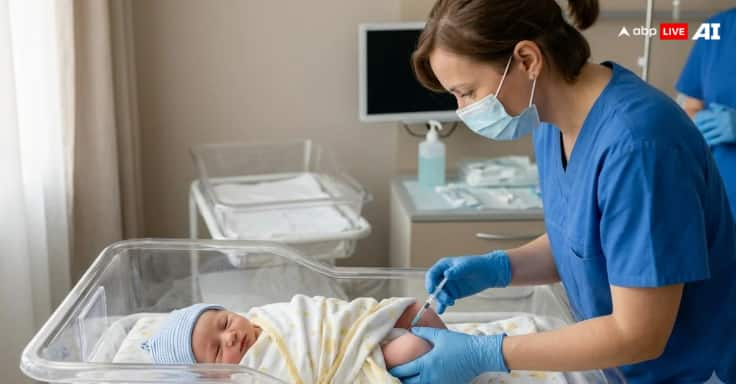
Paediatricians warn that infants and toddlers are especially vulnerable to air pollution because their lungs and immune systems are still developing. Their smaller airways and sensitive respiratory systems make exposure to fine particulate matter particularly concerning.
Dr Rajat Grover, Senior Paediatrician and Neonatologist at Cloudnine Group of Hospitals, Patparganj, New Delhi, told ANI that the effects of post-Diwali pollution can continue even after the celebrations have ended.
"Because everyone is suffering the aftermath of pollution throughout the period after Diwali, the AQI levels are hazardous for kids even indoors. So the most important thing is that you stay indoors as much as possible. Keep your air purifiers on," he advises.
He recommends choosing an air purifier according to the size of the room and keeping it switched on, particularly in areas where the baby spends most of the day. Saline nasal drops may also help keep an infant's nasal passages clear when required.
However, parents must pay close attention to changes in their baby's breathing, as some symptoms can indicate respiratory distress.
"The most important warning signs that you have to notice are fast breathing. You have to look for wheezing sounds. You have to look for any kind of whistling sound that the baby might have. You also need to look at depression between your collarbones or depression below your chest to understand that the baby is having pneumonia or chest congestion," Dr Grover explains.
Other symptoms that warrant attention include poor feeding, persistent crying, fever, a continuously running nose and coughing episodes followed by vomiting.
He also talks about the importance of adequate feeding and hydration. If anyone at home has a cough or cold, they should wear a mask and avoid close contact with the baby, particularly during the season when respiratory infections such as RSV are circulating.
Dr Nikhil Rajvanshi, Consultant Paediatric Pulmonologist, Allergy and Sleep Specialist at Rainbow Children's Hospital, Delhi, also advises parents to minimise children's exposure to polluted air during hazardous AQI conditions.
"Infants and toddlers are particularly vulnerable to air pollution because their lungs and immune systems are still developing. During hazardous AQI levels, parents should minimise outdoor exposure and keep children in cleaner indoor spaces," he says.
He recommends keeping windows shut when outdoor pollution levels are high and eliminating indoor smoke sources such as cigarettes, incense sticks and mosquito coils.
A HEPA air purifier in the child's bedroom can help reduce particulate matter. Regular damp dusting and mopping are also useful for limiting dust accumulation indoors.
Dr Rajvanshi further recommends continuing breastfeeding and providing age-appropriate nutrition to support children's overall health.
Parents should also watch for changes in breathing and behaviour, including rapid breathing, persistent coughing, wheezing, nostril flaring and the chest sinking in with each breath. Difficulty feeding, unusual irritability, excessive sleepiness and lethargy may also indicate that a child is unwell.
Bluish lips or face, severe breathing difficulty, pauses in breathing and reduced responsiveness are emergency warning signs that require immediate medical attention. He cautions parents against relying on home remedies or waiting for symptoms to disappear when a child shows signs of respiratory distress.
Dr Vikas Mittal, Director of Pulmonology at CK Birla Hospital, Delhi, similarly stresses the importance of reducing children's exposure for as long as air quality remains poor.
He recommends using a properly maintained HEPA air purifier in the child's main living and sleeping areas. Parents should keep doors and windows closed during periods of high pollution and avoid outdoor activities, particularly near roads with heavy traffic.
However, he points out that homes should be ventilated when outdoor air quality improves.
On the use of masks, Dr Mittal cautions that they aren't a dependable way to protect infants and very young children. Parents should therefore focus on limiting their exposure rather than relying on masks when taking babies outdoors.
Doctors also advise parents to remember that not every cough, cold or breathing complaint is necessarily caused by pollution.
Dr Yatish Singh, Consultant Paediatrician and Neonatologist at Cloudnine Group of Hospitals, Indirapuram, explains that several factors contribute to poor air quality across Delhi-NCR during this period. These include vehicle emissions, dust, agricultural burning, fireworks and changing weather conditions.
"Children are particularly vulnerable because their lungs are still developing and their airways are more sensitive to pollutants. Exposure to fine particles, particularly PM2.5, can cause coughing, congestion, throat irritation, watery eyes and sometimes wheezing or breathing difficulties. Children with asthma or respiratory allergies may experience worse symptoms," he says.
In newborns and young infants, nasal congestion can also affect feeding and sleep.
However, viral respiratory infections are common during this season, too. Dr Singh reminds parents that a cough or cold should not automatically be attributed to pollution.
He recommends consulting a paediatrician if a child develops a persistent or worsening cough, wheezing, rapid breathing, reduced feeding, unusual lethargy or a high-grade fever.
Babies younger than three months who develop a fever of 100.4°F (38°C) or above need urgent medical assessment. Chest retractions, severe breathing difficulties, bluish lips or difficulty waking a child are emergency warning signs.
ALSO READ: Delhi AQI Hits 421 Near AIIMS: How Breathing Toxic Air Can Put Your Heart At Risk
Practical Ways To Reduce Babies' Exposure To Air Pollution
Although completely avoiding polluted air may not be possible during periods of severe pollution, experts recommend several precautions to reduce children's exposure.
- Limit Outdoor Activities: Avoid unnecessary walks, outdoor play and outings with infants and toddlers when AQI levels are hazardous. Check local air quality updates before making plans.
- Choose An Appropriate Air Purifier: A HEPA-based purifier suited to the room's size can help reduce indoor particulate matter. Clean and replace its filters according to the manufacturer's instructions.
- Keep Indoor Air Clean: Avoid smoking, incense sticks, mosquito coils and other sources of indoor smoke. Damp-dust surfaces and mop floors regularly to reduce dust accumulation.
- Ventilate At The Right Time: Keep windows closed when outdoor pollution is high. Allow fresh air inside when air quality improves.
- Maintain Feeding And Hydration: Continue breastfeeding and provide age-appropriate fluids and nutrition to support the child's health.
- Use Saline Drops When Needed: Normal saline nasal drops may help relieve nasal congestion in infants, but they should be used appropriately.
- Follow Respiratory Hygiene: Maintain hand hygiene and avoid close contact between babies and family members experiencing coughs, colds or other respiratory symptoms.
- Do Not Rely On Masks For Infants: Masks aren't a reliable protective measure for infants and very young children. For older children, masks should be age-appropriate and properly fitted.
- Recognise Warning Signs: Rapid or laboured breathing, wheezing, chest retractions, poor feeding, unusual lethargy and bluish lips require prompt medical assessment. Severe breathing difficulties or reduced responsiveness need emergency care.
Dr Singh also warns parents against giving children antibiotics or cough syrups, or starting nebulisation, without an appropriate clinical assessment.
Disclaimer: The information provided in the article is shared by experts and is intended for general informational purposes only. It is not a substitute for professional medical advice, diagnosis, or treatment. Always seek the advice of your physician or other qualified healthcare provider with any questions you may have regarding a medical condition.
(With inputs from ANI)
This content is published by ABP Live - Health and has not been created or edited by Hello Headlines. View original