‘What we have done is not enough’: Lenskart CEO a year after IPO
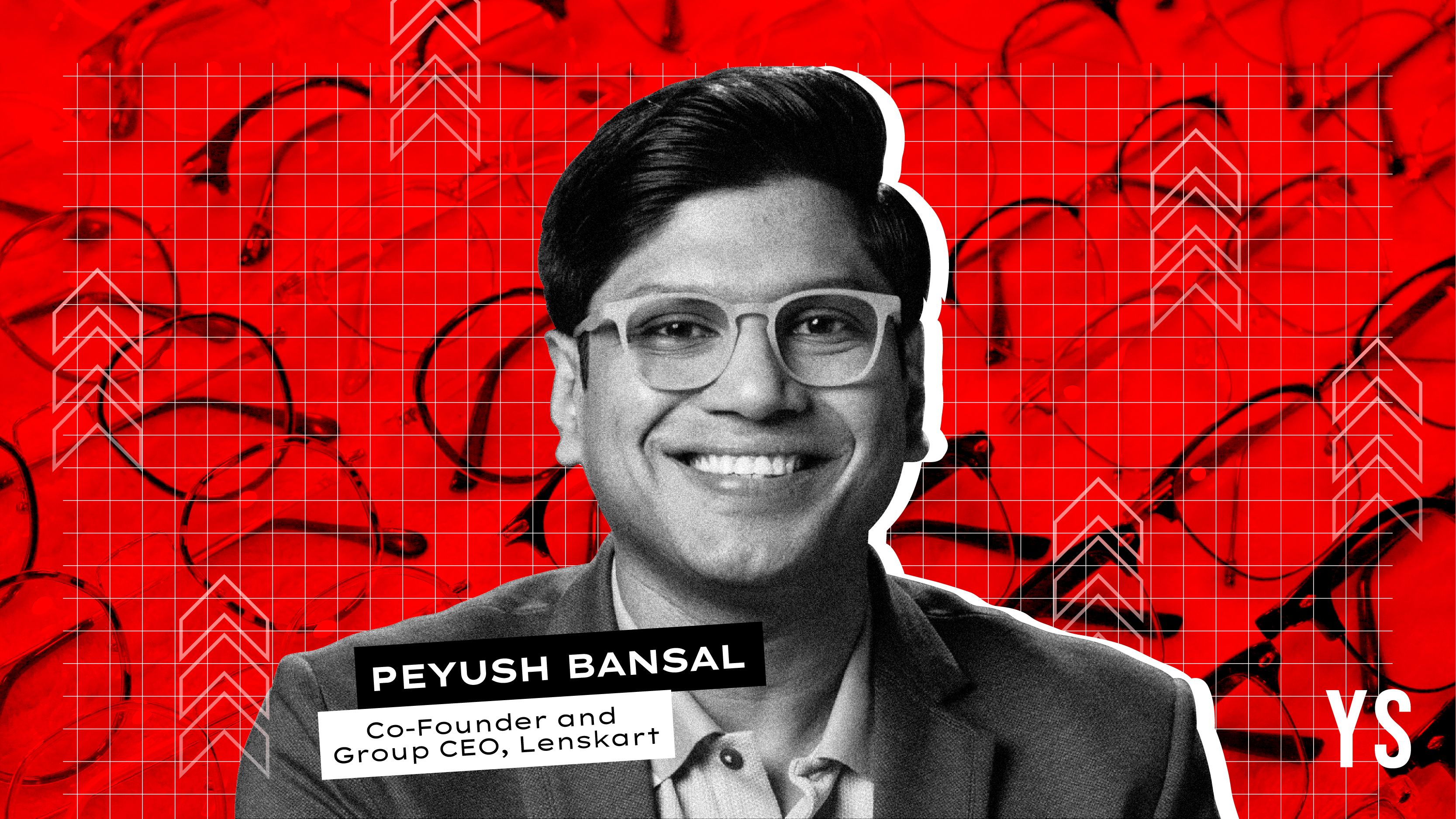
One year after debuting as a public enterprise, optical retail group Lenskart has chosen to evaluate its corporate milestone through the lens of unresolved societal challenges.
In an open statement marking the anniversary of its initial public offering, Co-founder and Chief Executive Officer Peyush Bansal acknowledged that despite expanding access to affordable eyewear across India, the core objective of rendering clear vision a universal reality remains unfinished.
The company announced structural operational changes aimed at reducing financial barriers for essential eye care.
“We built a ten thousand crore company. The one thing we started it for is still unsolved,” Bansal stated.
Lenskart was established with an ambition to enable one billion people to see clearly, beginning with targeted efforts across India. The organisation currently supplies approximately 32 million eyewear units annually in India and aims to increase output to 100 million units in its next phase of expansion.
Over several years, the enterprise invested heavily in localised manufacturing capabilities to lower production costs for sophisticated optical products. These investments included developing domestic facilities for progressive lenses, which are multifocal lenses that allow smooth visual transitions across varying distances without visible dividing lines.
The firm also developed local capacity for break-resistant rimless frames and complete prescription pairs priced at Rs 500. Corporate leadership maintains that manufacturing scale serves as an operational tool to solve systemic health issues.
Addressing the rapid digitalisation of daily life in India, where nearly one billion citizens regularly engage with screens, Lenskart announced the immediate removal of extra fees for blue-light filtering coatings. Blue-light filtering lenses contain specialised protective coatings designed to minimise digital glare and eye fatigue caused by prolonged screen exposure. Under the new policy, these protective coatings will come as standard on all prescription eyewear sold by the company in India without additional charges.
Furthermore, the retailer is directing resources toward childhood vision health to combat undetected myopia, a medical term for short-sightedness that hinders clear distance vision and can impair learning outcomes. To mark National Children’s Day on, Lenskart will provide free prescription glasses featuring blue-light filtering lenses to the first 100,000 child visitors across its Indian stores, requiring families to pay only a Rs 199 fitting fee.
In retail optics, specialised lens treatments typically serve as high-margin add-ons. By making screen-ready lenses standard and funding large-scale paediatric eye health initiatives, Lenskart is likely absorbing short-term margin trade-offs in pursuit of broader consumer trust and long-term brand equity.
“Purpose and profit are not a trade-off. In the short term, the right thing for the customer rarely looks like the obvious decision. In the long term, it has worked out every single time,” Bansal noted.
This content is published by YourStory and has not been created or edited by Hello Headlines. View original