Chhath Puja 2026 Kharna: Date, Rituals, Rasiyaav Prasad And Significance Explained
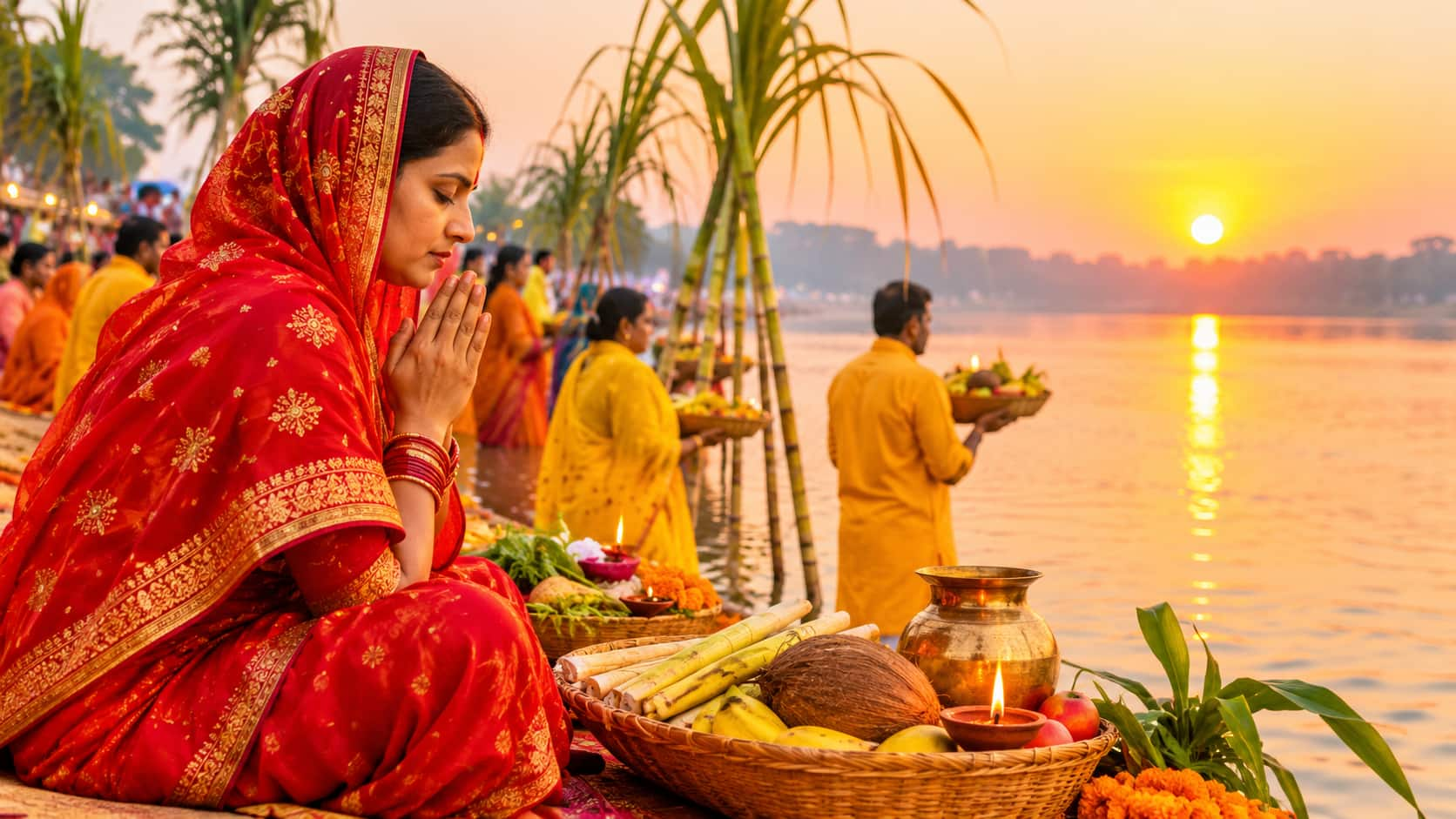
Chhath Puja 2026 Kharna: The second day of Chhath, the grand festival of faith, restraint, and purity, is called Kharna, also known as Lohanda in Purvanchal and many parts of Bihar. In 2026, Kharna will be celebrated on Saturday, November 14th.
This journey of purity, which begins with Nahay Khay, culminates in complete devotion and rigorous spiritual practice on the second day. Let's explore the traditions observed from morning until night on the second day of Chhath.
From Sunrise To Sunset: Tough Penance Without A Drop Of Water:
Kharna day begins with the peaceful Brahma Muhurta (time of Brahma Muhurta). Vratis (women or men observing the fast) wake up early in the morning, bathe, change into clean clothes, and meditate on the Sun God and Chhathi Maiya (the goddess of light). They take a vow to observe the fast.
After this, from sunrise to sunset, the fasting person abstains from food, let alone a drop of water. This day-long waterless fast prepares the body and mind for the next two days of intense spiritual practice.
ALSO READ | Chhath Puja 2026: Why Do Devotees Sleep On The Floor During The Four-Day Festival?
The Mahaprasad Of 'Rasiyaav' Smells On The New Clay Stove:
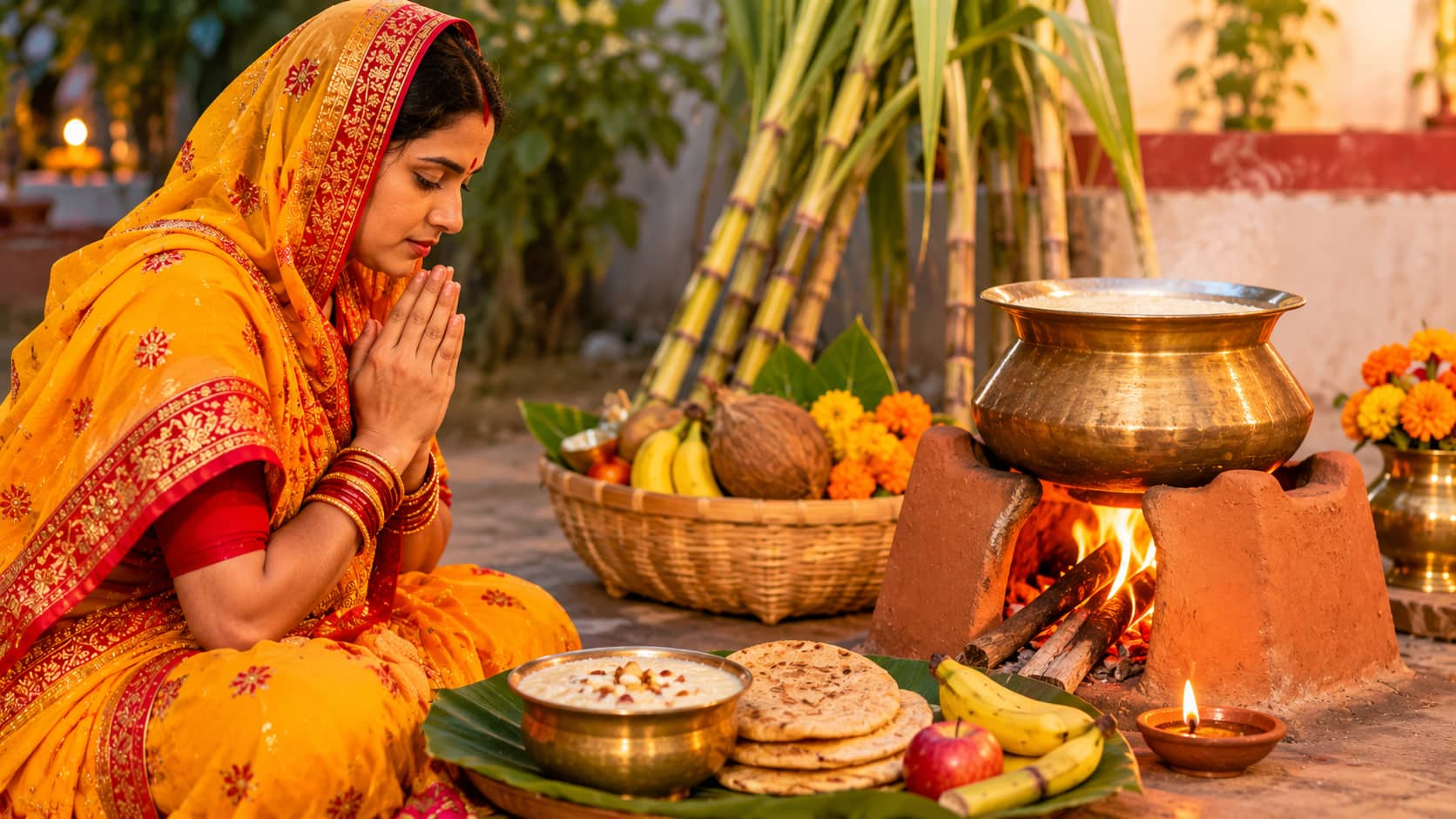
In the evening, after sunset, the ritual of preparing the special Kharna Prasad begins. Purity is never compromised during the Chhath festival, so this offering is not cooked on the usual gas stove in a home kitchen. A new clay stove is constructed, and the Prasad is prepared over a flame of dry mango wood.
The main offerings include rice pudding made from sugarcane juice or jaggery (called 'Rasiyaav' in the traditional language), roti smeared with pure ghee, and seasonal fruits.
ALSO READ | Chhath Puja 2026: Why Is Bottle Gourd Rice A Must-Have On Nahay-Khay? Know Religious And Scientific Reasons
Prasad Is Accepted Amidst Silence And Silence:
Once the offerings are prepared, they are placed on a banana leaf or in a clean plate in a clean room of the house, decorated with kheer, roti, and fruit. They are first offered to Chhathi Maiya and the Sun God. After the puja, the devotee consumes this offering.
The most unique and strict tradition of Kharna is that the entire house is kept in complete silence while the devotees partake of the prasad. The devotees partake in complete silence, and any conversation or noise is prohibited during this time.
This Is Where The Toughest 36-Hour Test Begins:
Upon receiving the Kharna offerings, the devotees begin a rigorous, waterless fast of approximately 36 hours. Following this, on the next day, November 15th, offerings are made to the setting sun, and the breaking of the fast is performed only after offerings to the rising sun on the fourth day, November 16th. During this entire period, devotees abstain from even water.
The Offerings Of Faith Are Distributed From The Courtyard Of The House To The Neighborhood:
After the fasting person has consumed the prasad, the remaining rasiyav and roti prasad are distributed among family members, relatives, and neighbors. In popular belief, this Kharna prasad is considered extremely sacred and auspicious.
Disclaimer: The information provided here is based solely on beliefs and information. It's important to note that ABPLive.com does not endorse any beliefs or information. Consult a relevant expert before acting on any information or information.
This content is published by ABP Live - Lifestyle and has not been created or edited by Hello Headlines. View original