Kharna 2026: Why Do Devotees Eat Jaggery Kheer And Roti Before The 36-Hour Fast?
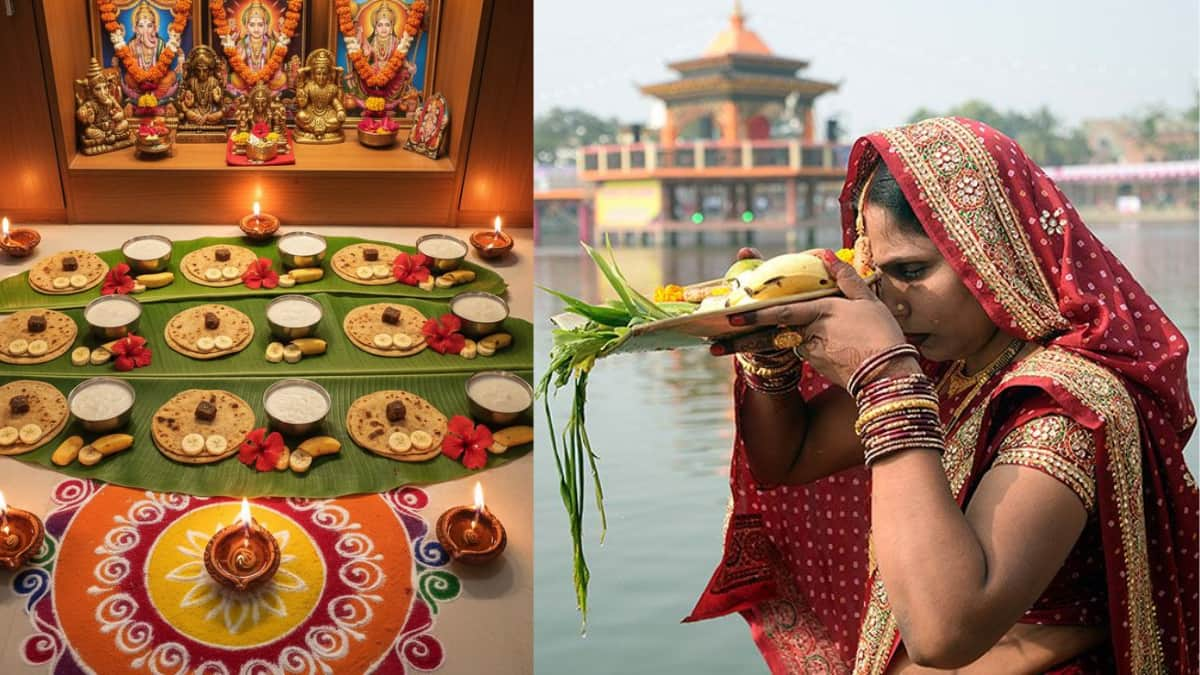
Chhath Puja Kharna 2026: The second day of the four-day grand festival of Chhath, or "Lohanda," is considered a symbol of devotion, restraint, and self-purification. On this day, devotees observe a waterless fast throughout the day and consume food and water only after sunset.
According to religious beliefs, the fasting person begins their difficult 36-hour waterless fast upon partaking of Kharna Prasad. So, let's explore the significance of Kharna, why the Prasad consists solely of jaggery kheer and roti, and why it's strictly forbidden to eat it in silence after sunset.
Meaning of Kharna And Its Religious Significance
The word "Kharna" literally means "purification" or "decontamination." It simply means purifying oneself completely, both internally and externally.
Kharna marks the beginning of this grand festival, which begins with Nahay-Khaay, where devotees mentally and physically prepare themselves for the next 36 hours of extremely difficult fasting. This day also conveys the message of abandoning ego and impurities and adopting a virtuous lifestyle.
ALSO READ | Chhath Puja 2026 Kharna: Date, Rituals, Rasiyaav Prasad And Significance Explained
The Secret Of Offering Jaggery Kheer (Rasiyav) And Roti
The prasad prepared on Kharna day is very virtuous and traditional. Certain special rules are followed in its preparation:
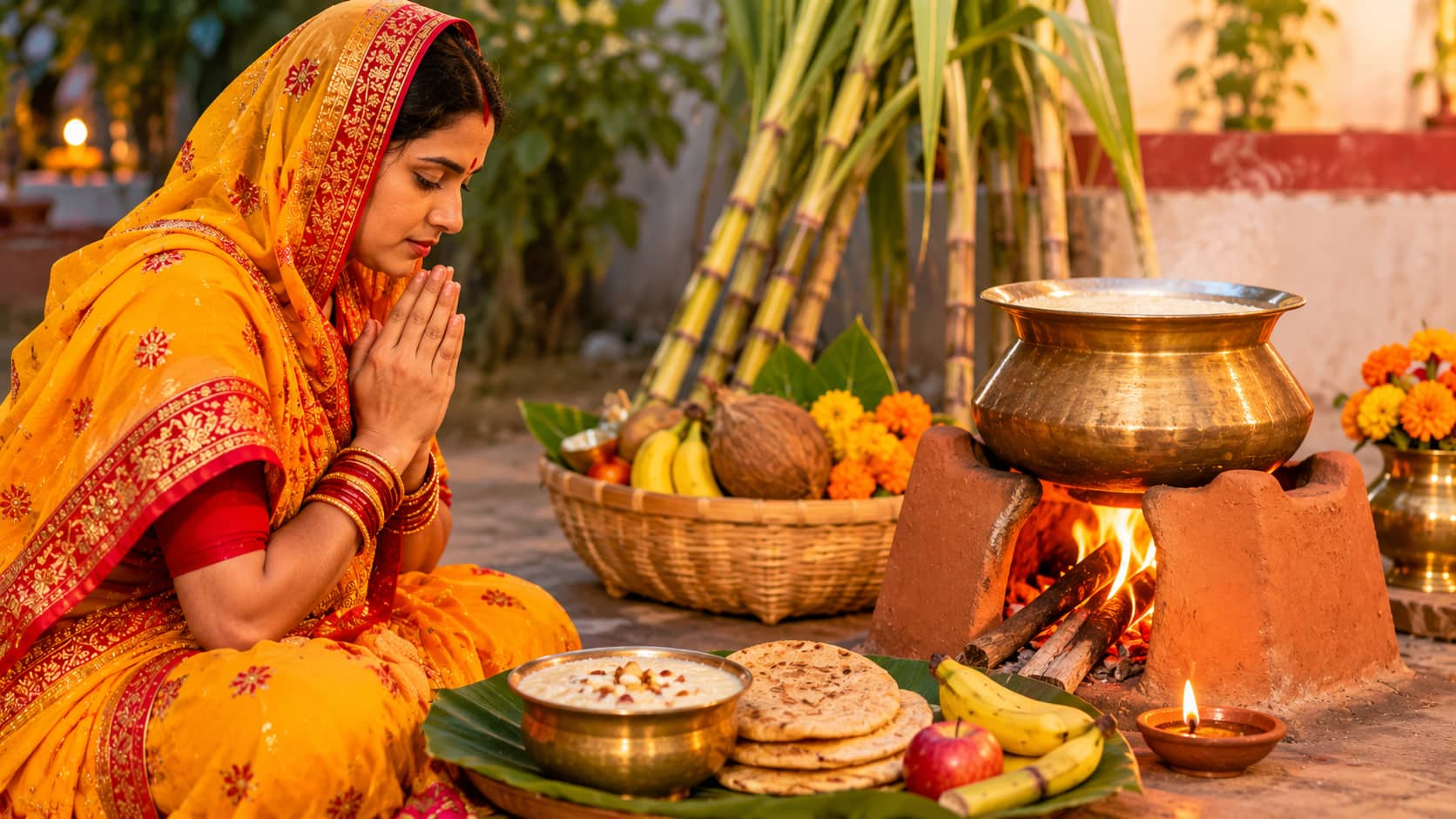
Clay stove and mango wood: This Prasad is not made on gas, but on a new clay stove on the flame of dry mango wood.
Jaggery Kheer (Rasiyav): Kheer is made by mixing new rice, cow's milk, and jaggery. Jaggery is used instead of sugar because it is considered a symbol of the sun and is naturally purifying.
Ghee Lagi Roti (Chapati): Roti is made from pure wheat flour, and cow ghee is applied to it.
The body needs sufficient energy before going without food and water for 36 hours. Jaggery, milk, ghee, and whole wheat together provide the body with slow-release glucose and energy, preventing the fasting person from feeling weak.
ALSO READ | Chhath Puja 2026: Why Do Devotees Sleep On The Floor During The Four-Day Festival?
Why Is Kharna Prasad Eaten Only After Sunset?
According to scriptures and folk tradition, Kharna Prasad is not consumed during the day but only after the setting of Lord Bhaskar:
First offering to Sun God and Chhathi Maiya: In the evening, after sunset, when the moon and stars appear, this Prasad is decorated on a banana leaf in the puja room and offered to Chhathi Maiya and the family deity.
Taking Prasad after the completion of the puja: The devotee takes this Prasad only after offering it to God.
After taking this Prasad, both food and water are given up, which ends only after 'Usha Arghya' on the fourth day morning.
Strict Rule Of 'Silence': Why Can The Fast Be Broken?
The strictest rule related to accepting Kharna Prasad is 'complete peace' .
While the devotees are sitting in a room and partaking of the Kharna Prasad, complete silence is essential. No family member can talk, clink utensils, or make any other noise.
Vraters wake up if they hear a sound: According to tradition, if a fasting person hears a loud noise, a scream, or the sound of a utensil falling while eating prasad, they immediately wash their hands and stop eating. Even if they have eaten just one or two bites, they do not touch food or water again.
Concentration and Dedication: This rule symbolizes that during the meditation, the devotee's attention should be completely detached from worldly activities and should remain absorbed only in God.
Disclaimer: The information provided here is based solely on beliefs and information. It's important to note that ABPLive.com does not endorse any beliefs or information. Consult a relevant expert before acting on any information or information.
This content is published by ABP Live - Lifestyle and has not been created or edited by Hello Headlines. View original