How the art ecosystem opens up a wide range of opportunities beyond creation of artworks
Launched in 2014, PhotoSparks is a weekly feature from YourStory, with photographs that celebrate the spirit of creativity and innovation. In the earlier 1,030 posts, we featured an art festival, cartoon gallery. world music festival, telecom expo, millets fair, climate change expo, wildlife conference, startup festival, Diwali rangoli, and jazz festival.
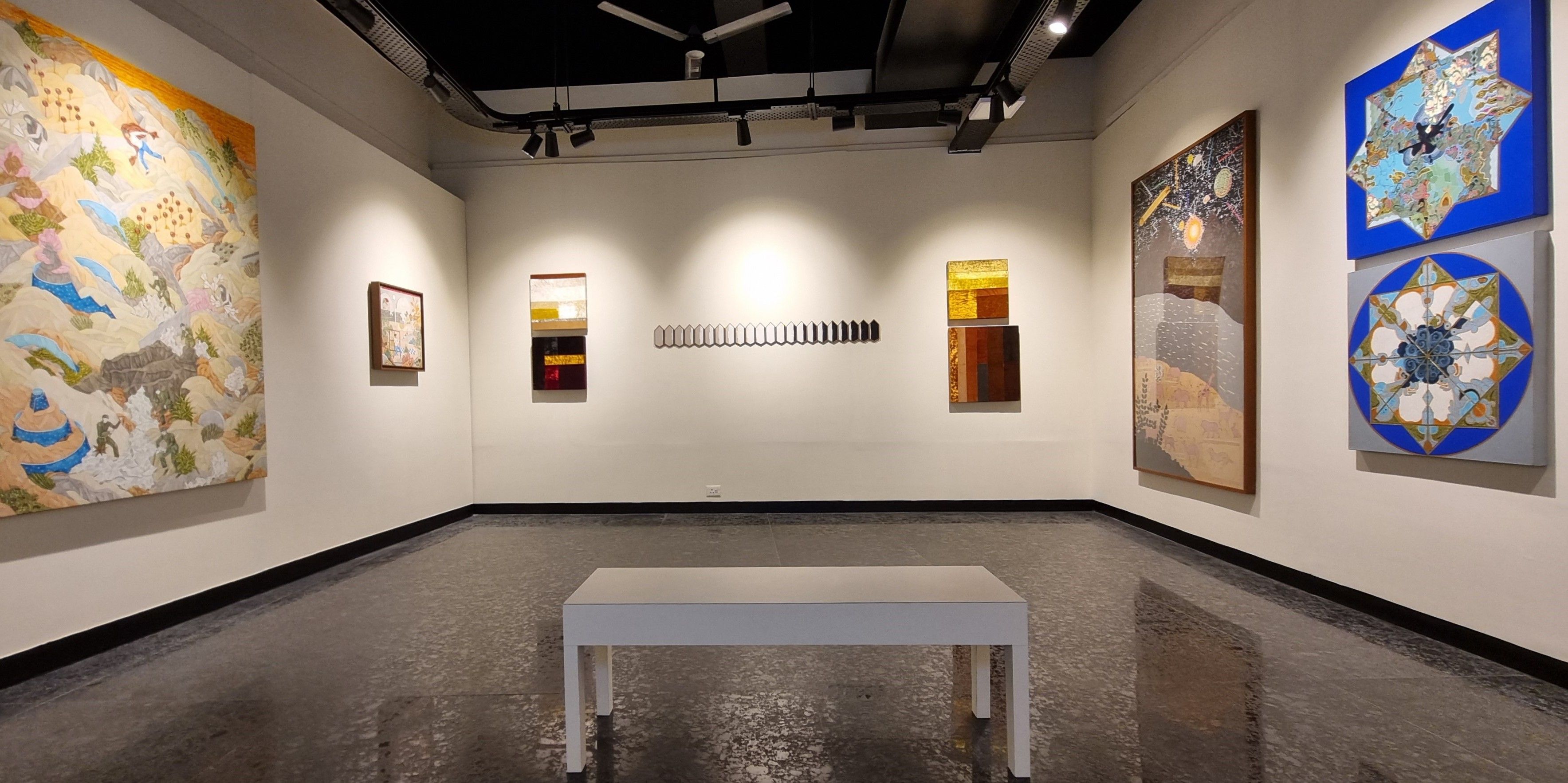
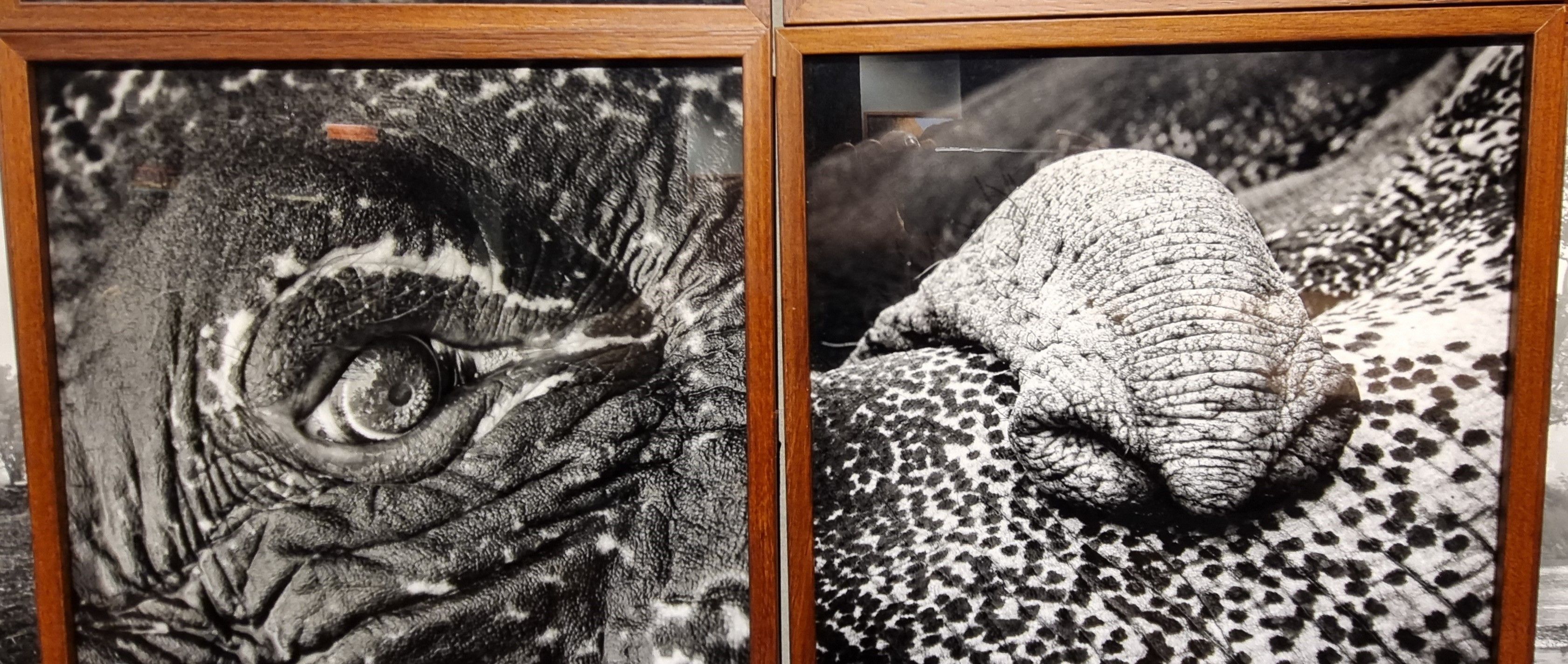
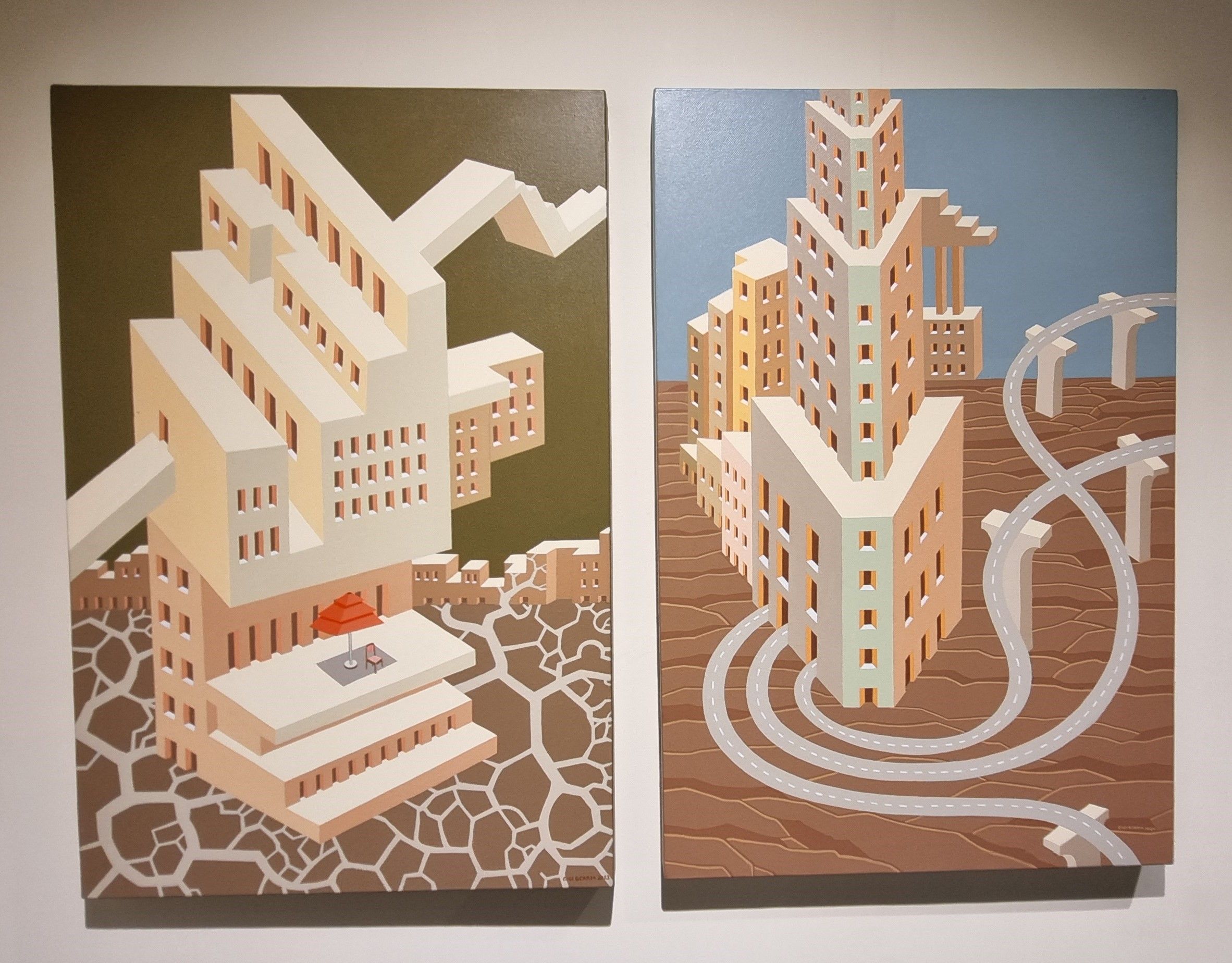
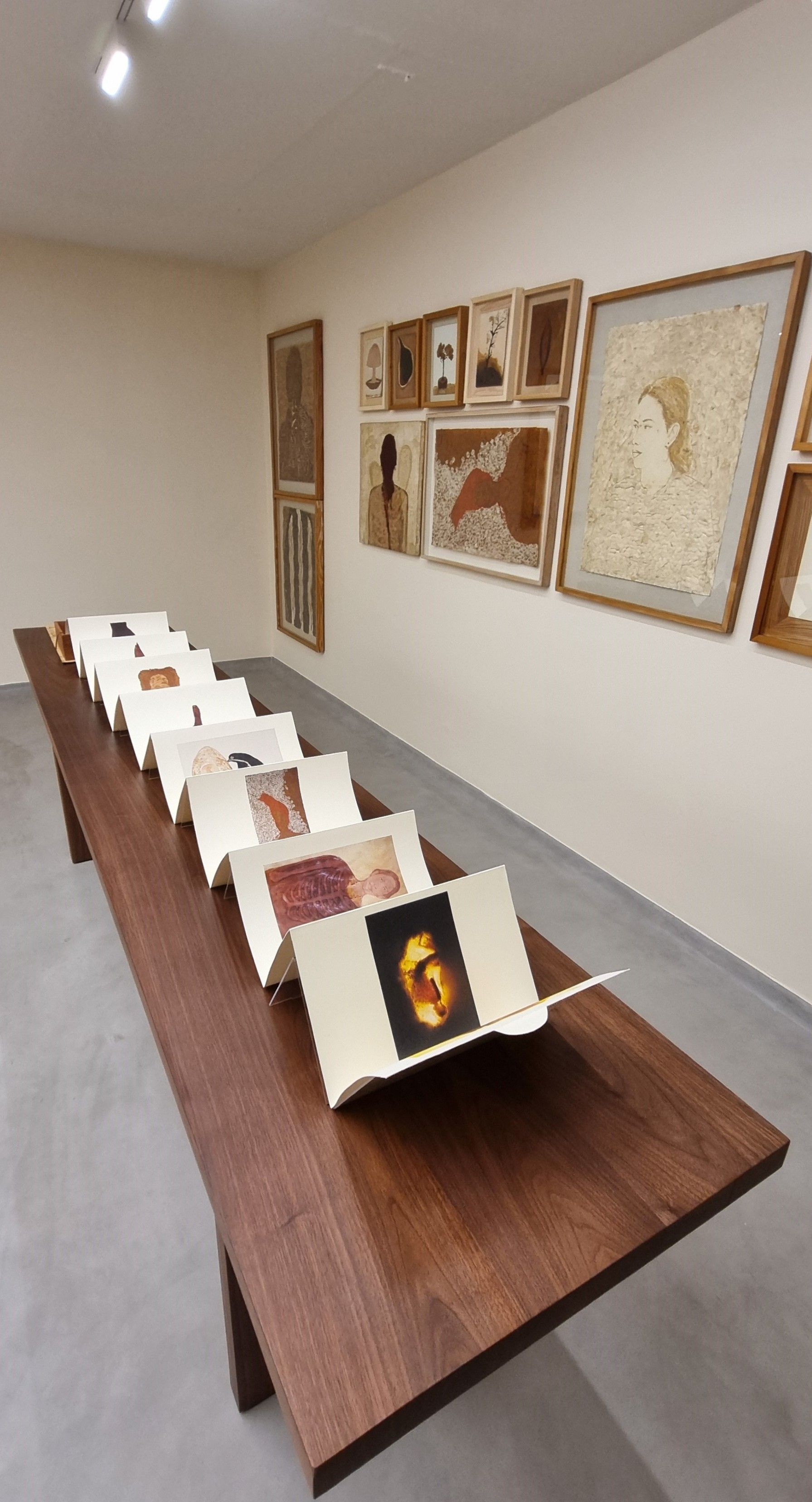
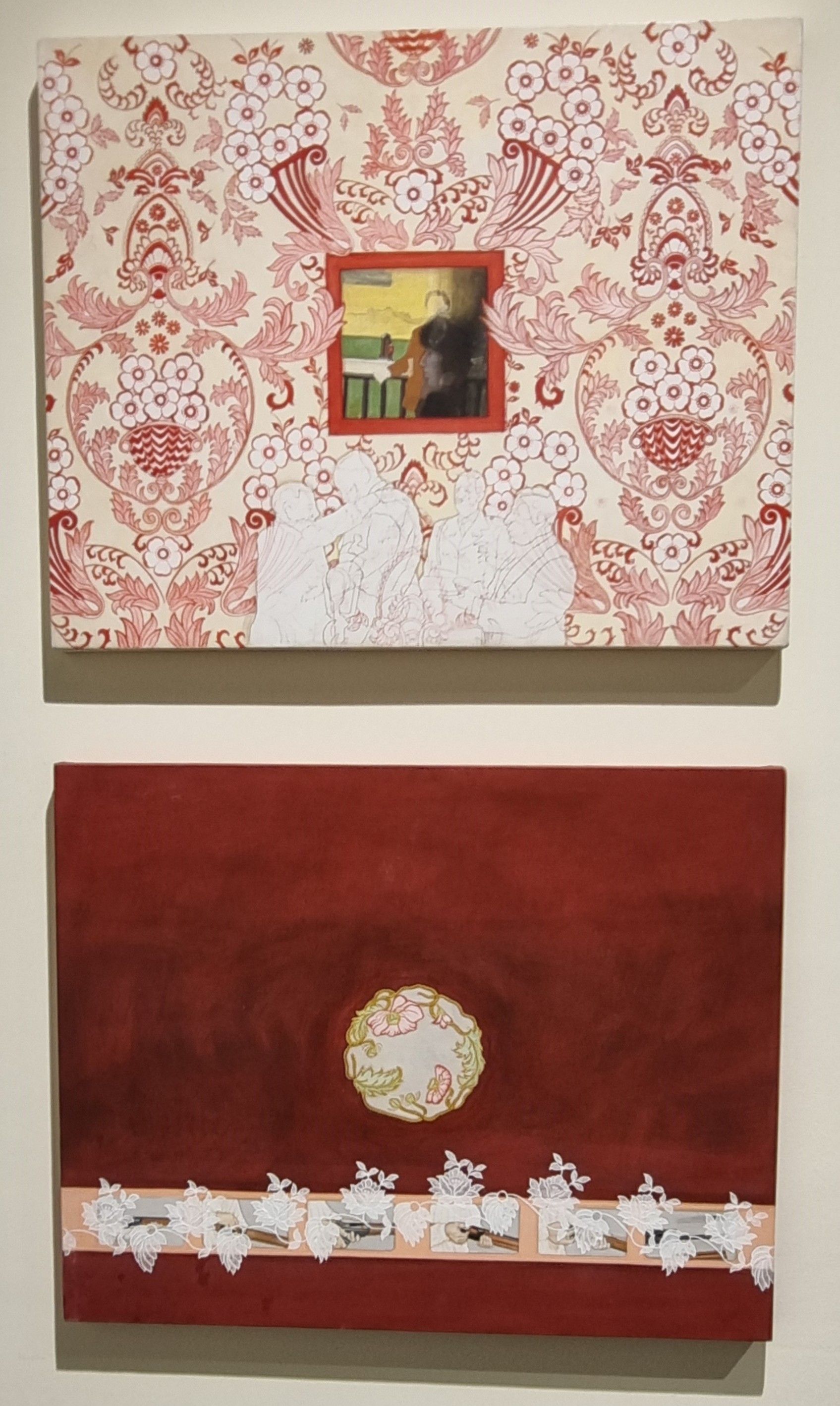
The third edition of the art festival 'Contemporary Now' wrapped up recently across 10 venues in Chennai. The artist lineup included Garima Gupta, Vishwa Shroff, Parag Tandel, Ayesha Sultana, Julien Segard, Chanakya School, Pushpakanthan Pakkiyarajah, Sakshi Gupta, Moumita Das, and many others.
The art festival’s directors, Ashvin Rajagopalan and Priyanjoli Basu, shared with YourStory a number of insights on trends, opportunities and tips for aspiring artists and entrepreneurs.
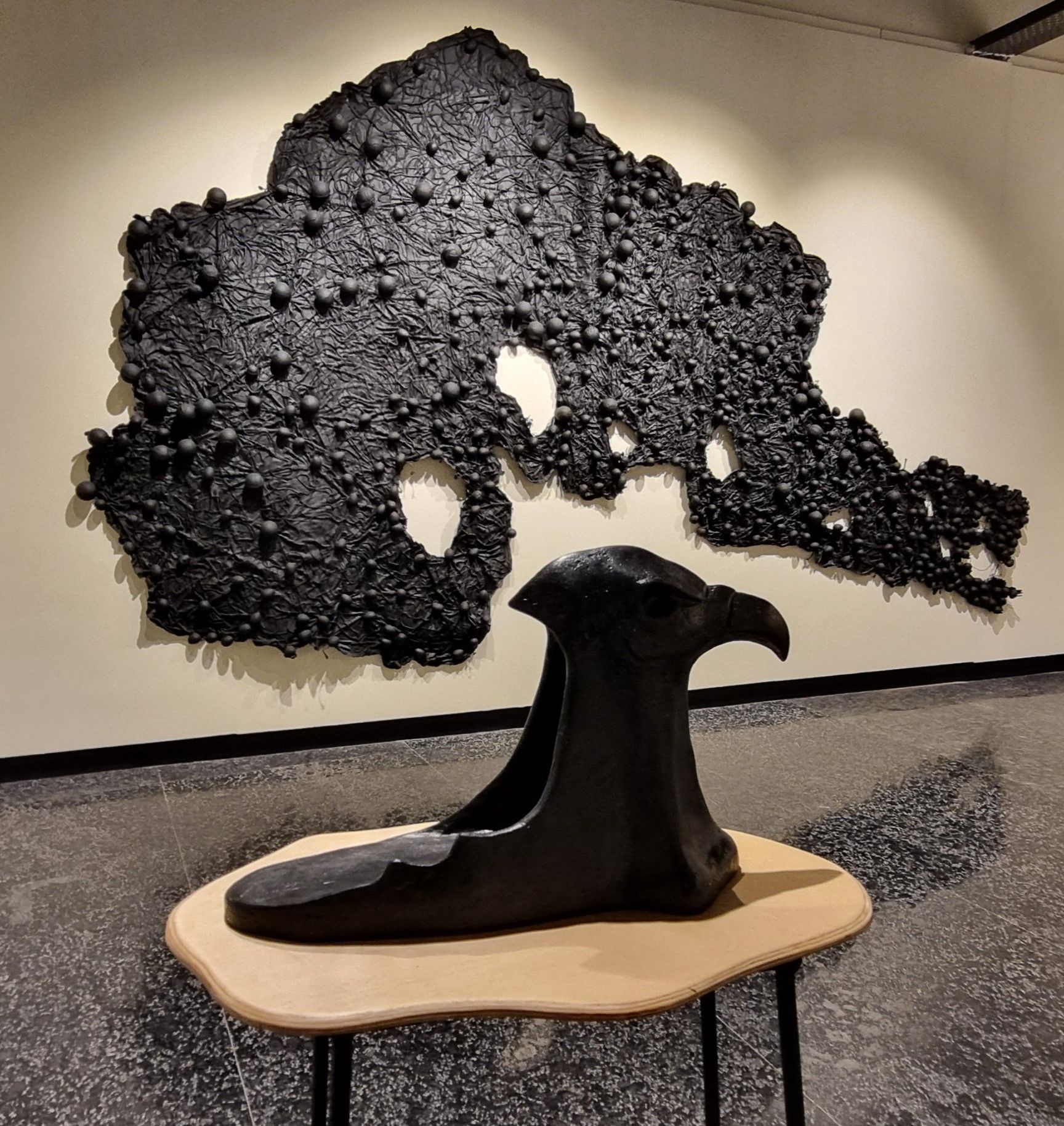
“There are many opportunities opening up in the art ecosystem. I think the market is professionalising. People are now creating fairly complex artworks,” Rajagopalan observes.
This calls for sales teams, social media marketing, and pubic relations. “The activities depend on the kinds of institutions and galleries involved,” he adds.
“These models exist well outside India, and include foundations and CSR projects. This is relatively new in India, where there is less institutional support for the arts,” he says.
 Year in review: startups that raised big from VCs in 2025
Fortunately, many private galleries and art collectors are coming up with their own spaces to showcase art. “Along with sales, we have exhibition designers, curators, production teams, and art handlers,” Basu explains, pointing to new emerging art roles.
“So there is a whole gamut of professions that is opening up. More such arts management roles and teaching institutions are called for,” she urges.
These are important conversations to have in order to nurture a sustainable art ecosystem. “There is a lot of on-the-job training that is happening, but more academic and vocational support is needed to sustain art professions and incomes,” Basu advises.
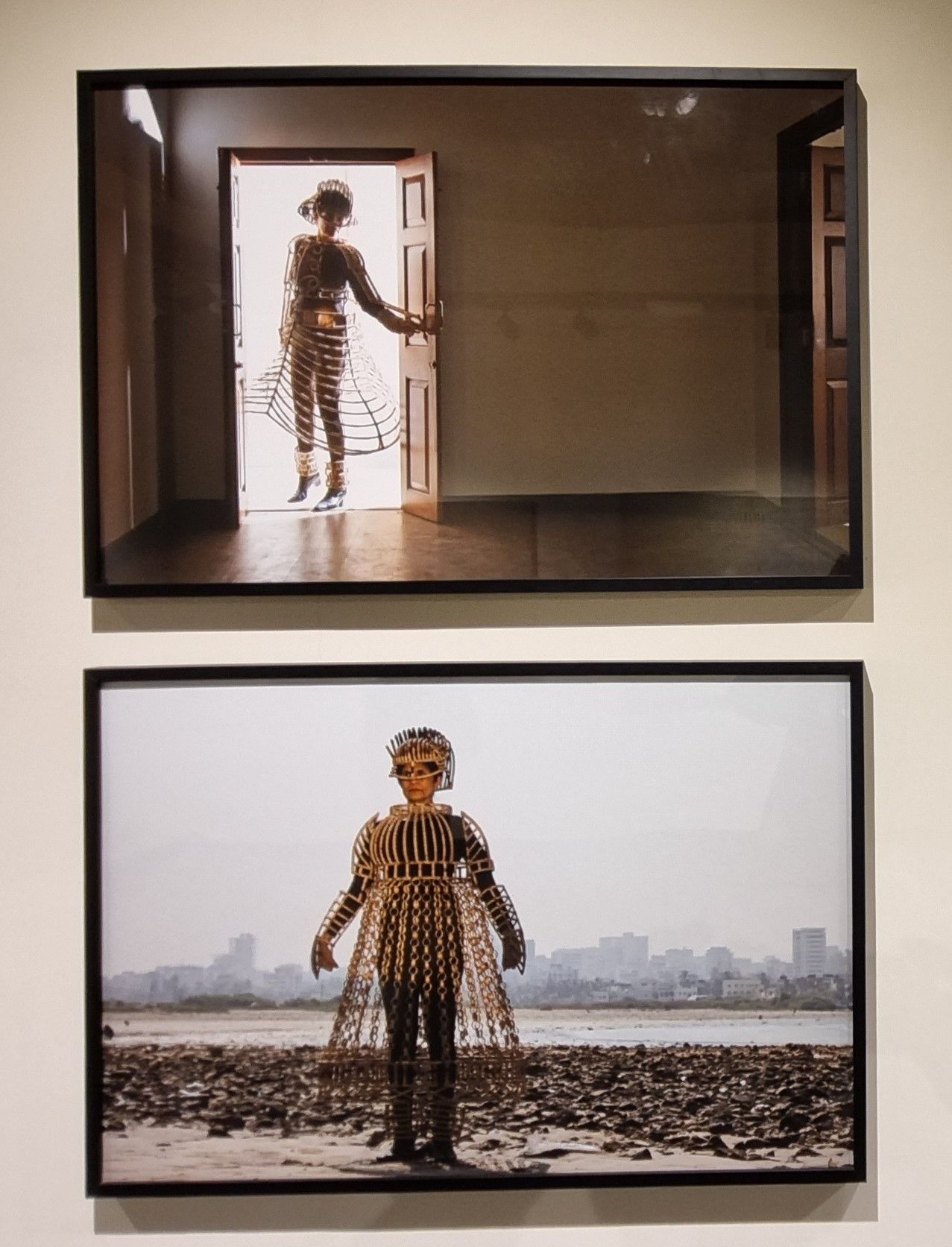
A wide range of practical, creative, administrative, and financial support roles are needed for a vibrant art ecosystem. They help create opportunities for artists to develop their work, exhibit their creations, connect with audiences, and build successful careers within the art industry.
For example, an art technician supports artists and galleries by preparing, installing and maintaining artwork. This includes framing, lighting, mounting, and setting up exhibitions, ensuring that artwork is displayed safely and professionally.
A gallery assistant helps with the daily running of an art gallery. Their responsibilities include welcoming visitors, answering questions, organising exhibitions, handling enquiries, and keeping the gallery organised and presentable.
 How IIT Madras Incubation Cell is powering India’s next-gen deeptech startups
An arts administrator helps with organising events, managing schedules, handling paperwork, communicating with artists, and supporting the planning of projects. Exhibition designers plan how artwork is presented within a gallery or exhibition space, and specialise in positioning of artwork to create an engaging experience for visitors.
An art conservator specialises in preserving and restoring artwork to prevent damage and deterioration. They use specialist knowledge and techniques to repair paintings, sculptures and other artworks while maintaining their original appearance and historical value.
Outreach officers help make art accessible to different audiences, including schools and local communities. They organise workshops, educational activities and creative programmes that encourage people to engage with art and develop their own artistic skills.
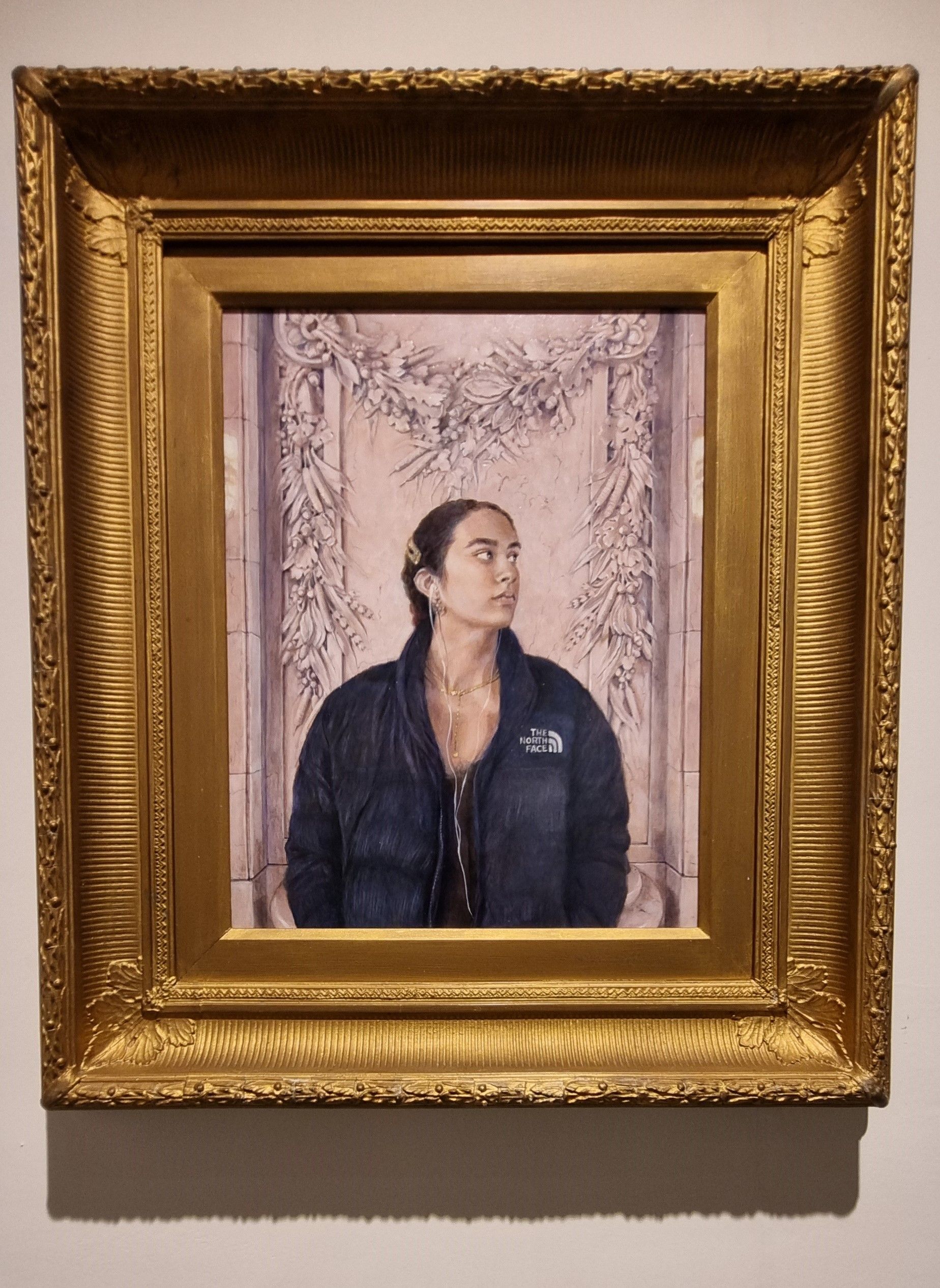
An art handler is responsible for carefully packing, moving, transporting and installing artwork. They ensure that valuable or fragile pieces are handled securely, particularly when artwork is being moved between studios, galleries and exhibitions.
Fundraising officers help art organisations and individual creative projects secure financial support. They apply for grants, organise fundraising events, approach potential sponsors, and develop relationships with organisations that can provide financial assistance to artists.
Mature art ecosystems keep up with shifts in the market and create trends as well. Among emerging trends in art, Rajagopalan points to the rise of AI as well as increasing demand for the handmade. “AI is a useful tool to generate ideas,” he says.
 Year in review: What 2025’s data tells us about women in India
As for tips for aspiring artists, Rajagoplan advises creators to find a gallery that they can relate to. Basu suggests spending more time in artist communities.
“Such communities foster an exchange of ideas and help create more art. While social media can seem attractive, it is also distractive,” she cautions.
Being part of a supportive art community allows artists to connect with people who have similar interests and passions. This creates a sense of belonging and encourages artists to feel more confident about their work.
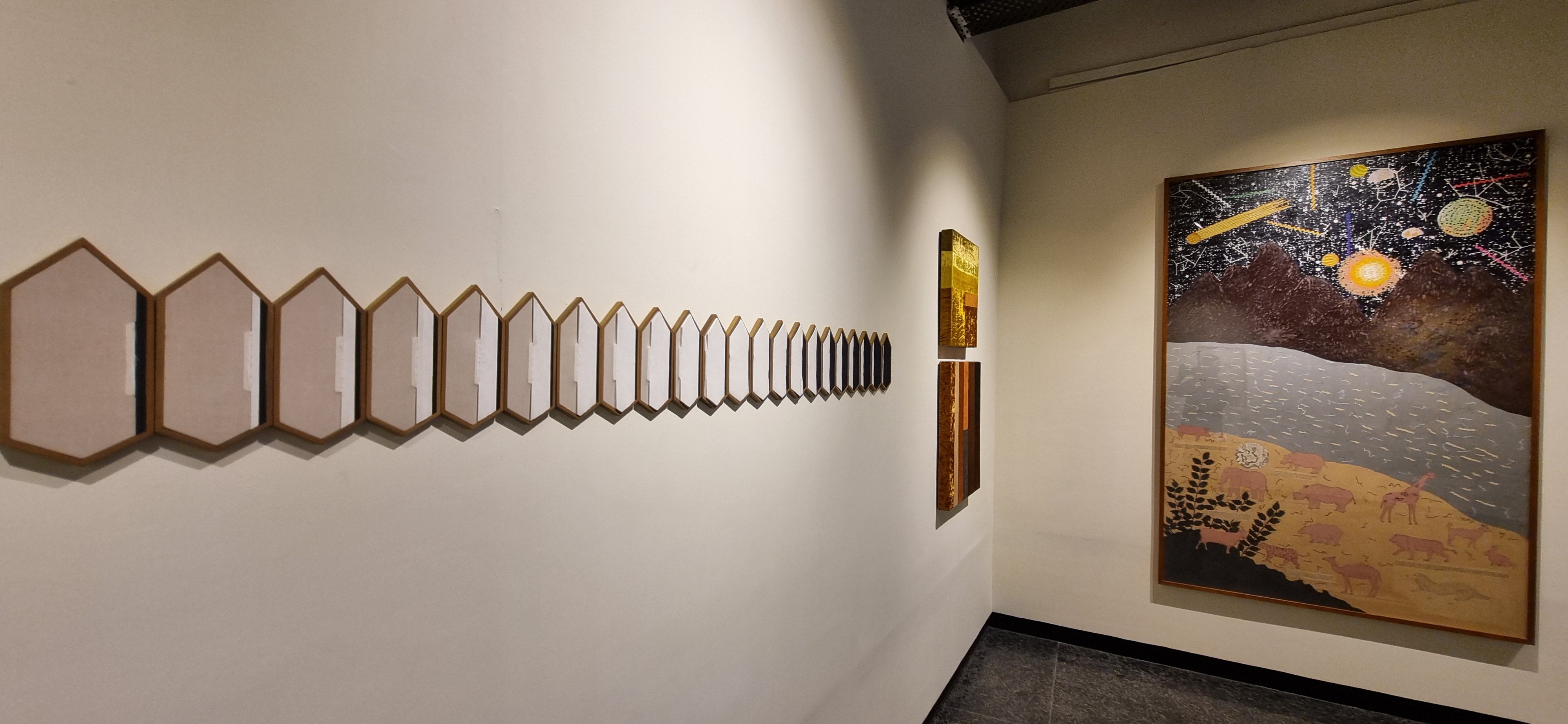
Through community workshops, classes, demonstrations, and group activities, artists can experiment with different materials and techniques. In open communities, more experienced artists can share their knowledge with beginners, helping them improve and discover new ways of working.
Furthermore, art communities offer emotional support and encouragement. This can be especially important for artists who may experience self-doubt, creative blocks or difficulties in their careers.
The creative journey is full of ups and downs, twists and turns. Being surrounded by supportive people allows artists to discuss challenges, share experiences and receive constructive criticism.
 Year in Review: Top 10 celebrity-backed ventures of 2025
Positive feedback and encouragement can help artists overcome setbacks and feel motivated to keep pursuing their creative interests. It also reminds them that they are not alone in their artistic journey.
Art communities benefit the wider public as well. Community art projects, collaborative exhibitions and public workshops allow artists to work together and make a positive contribution to society.
Now what have you done today to pause in your busy schedule and harness your creative side for a better world?
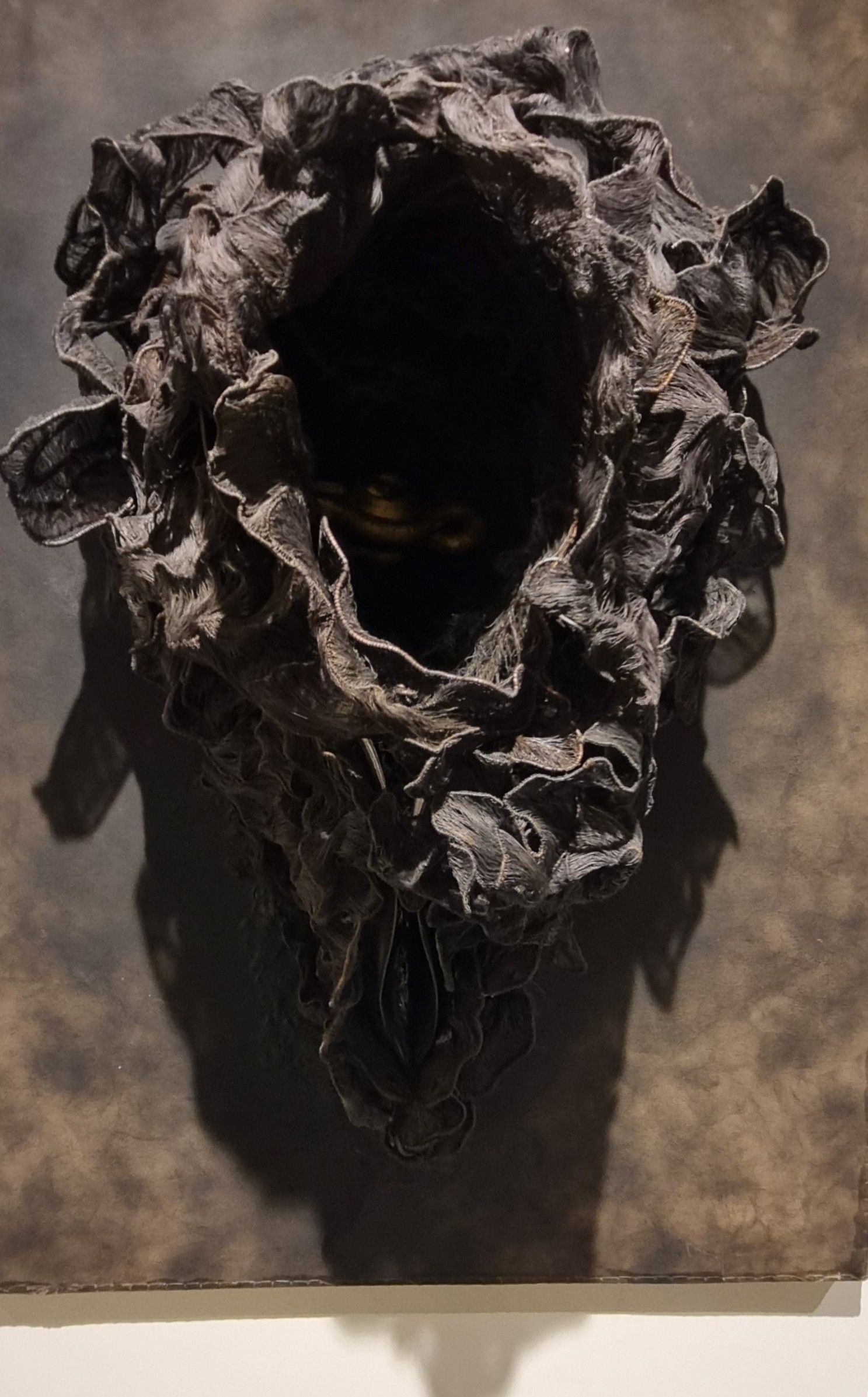
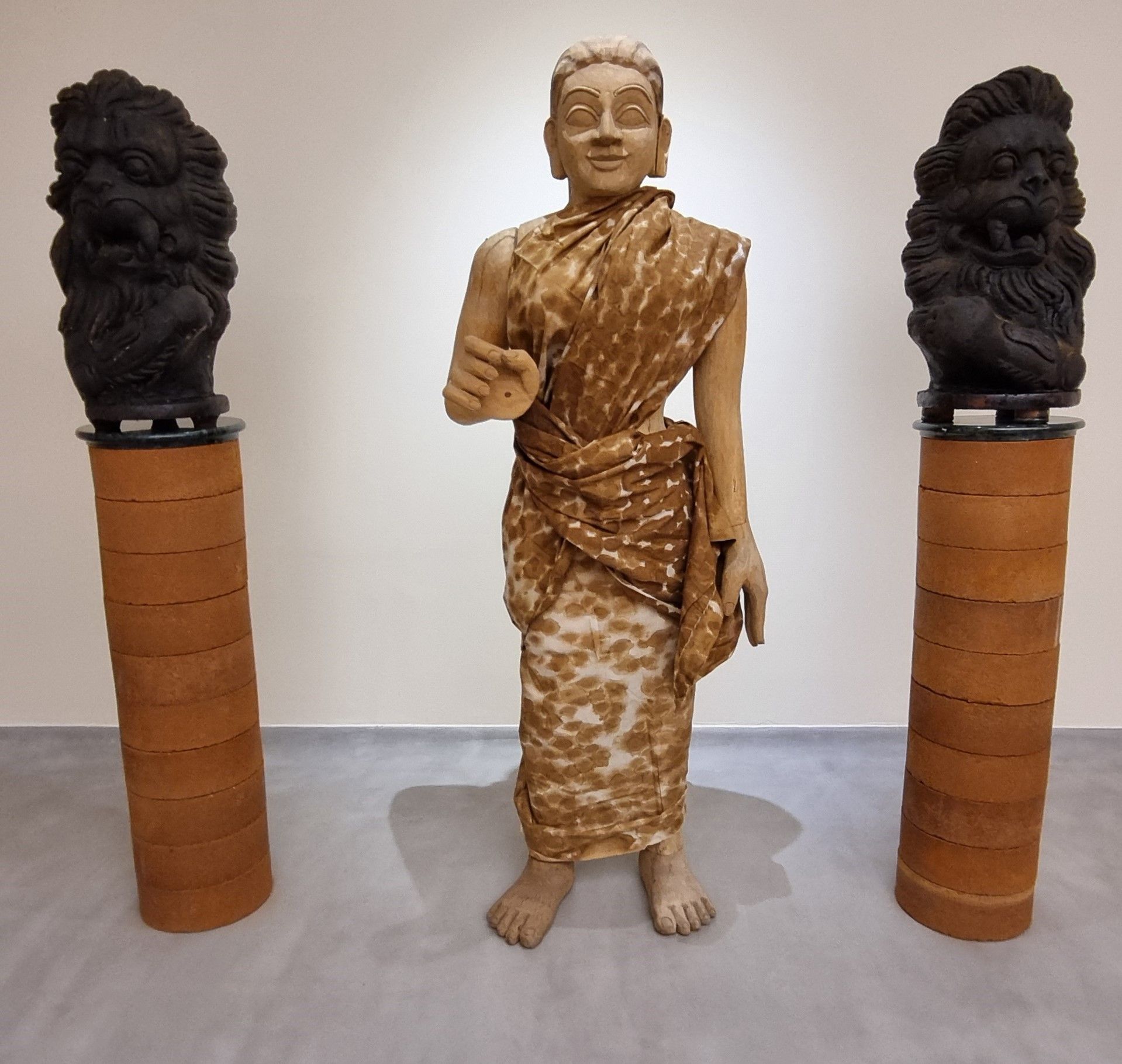
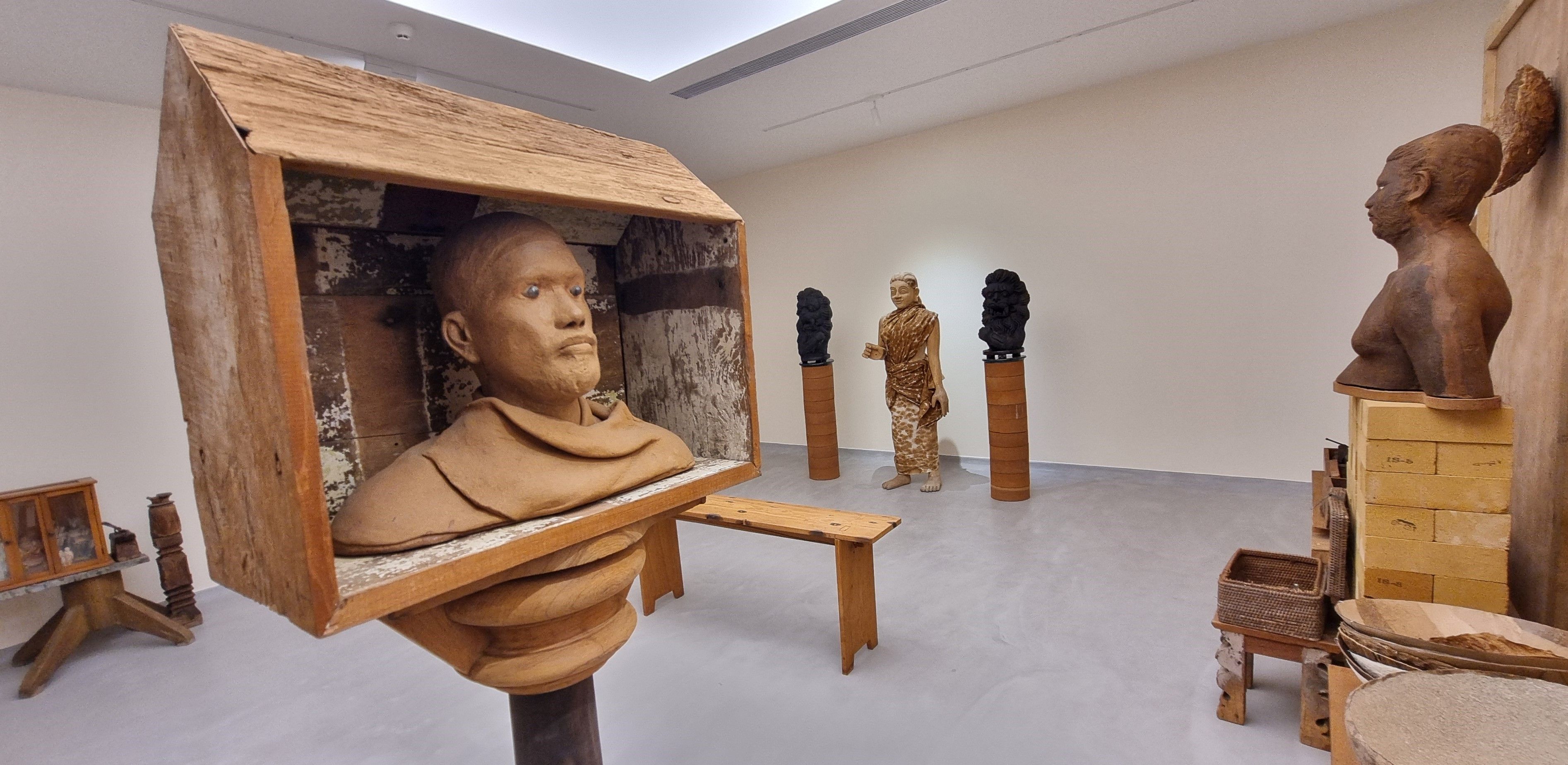
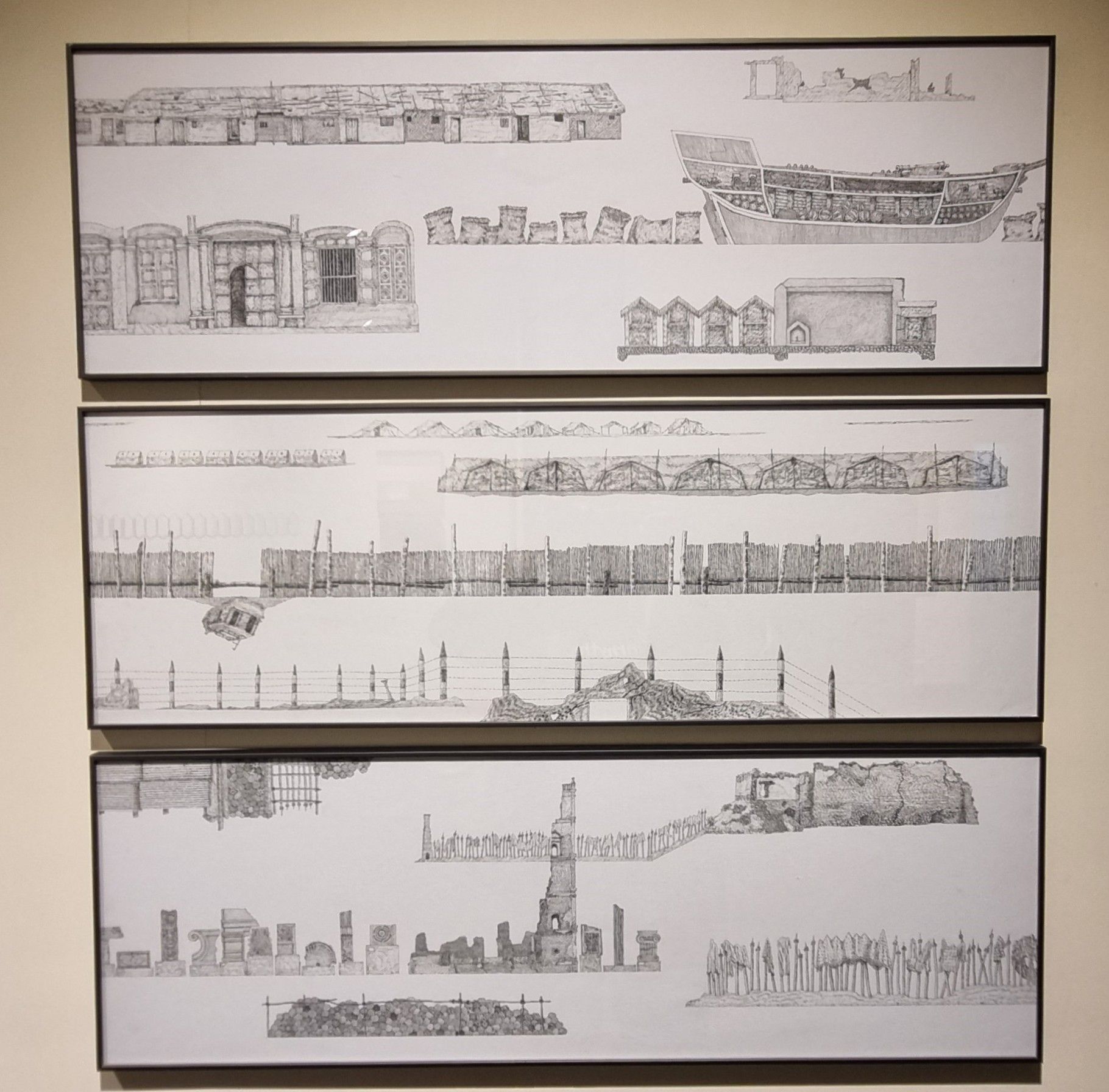
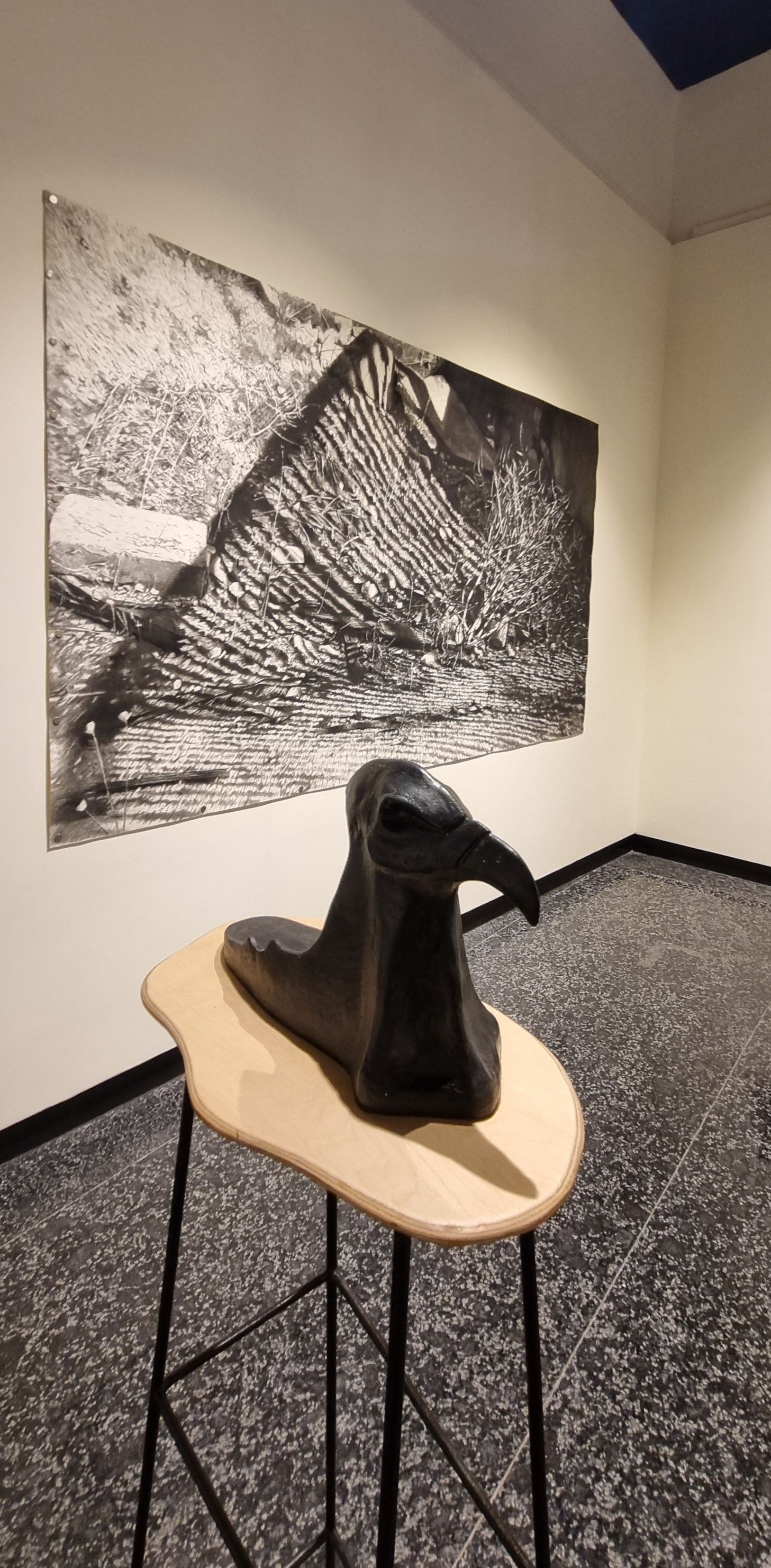
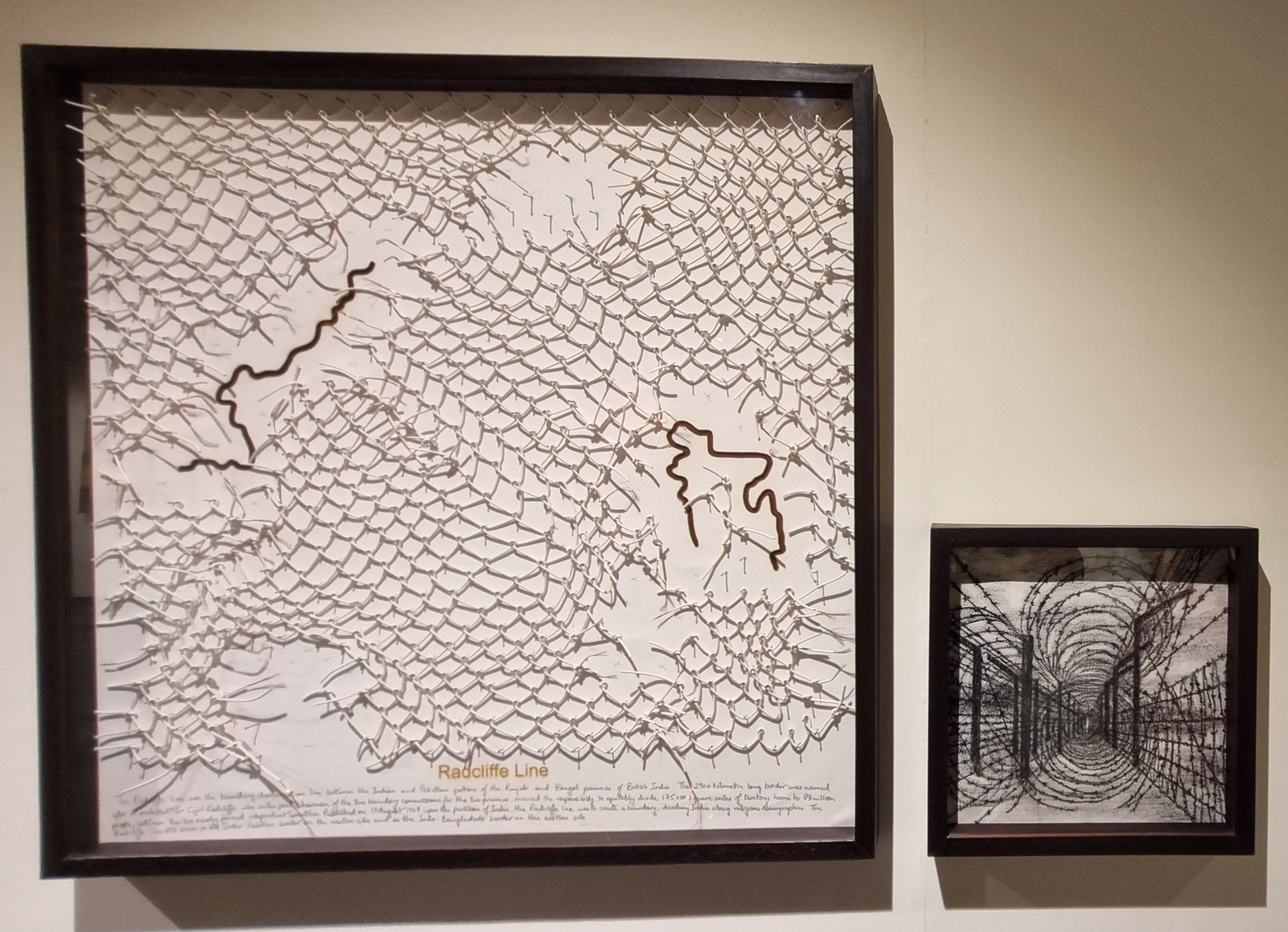
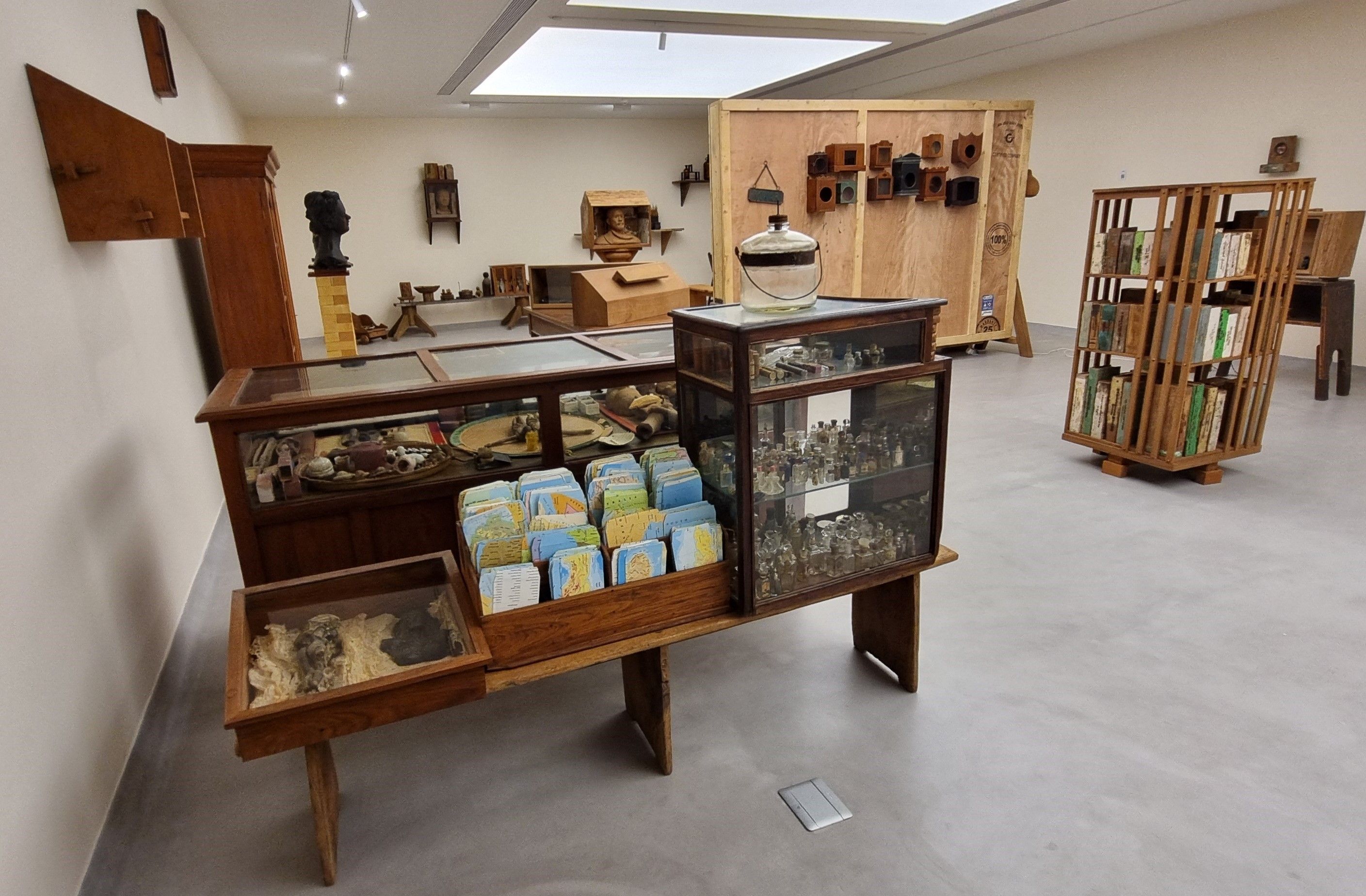
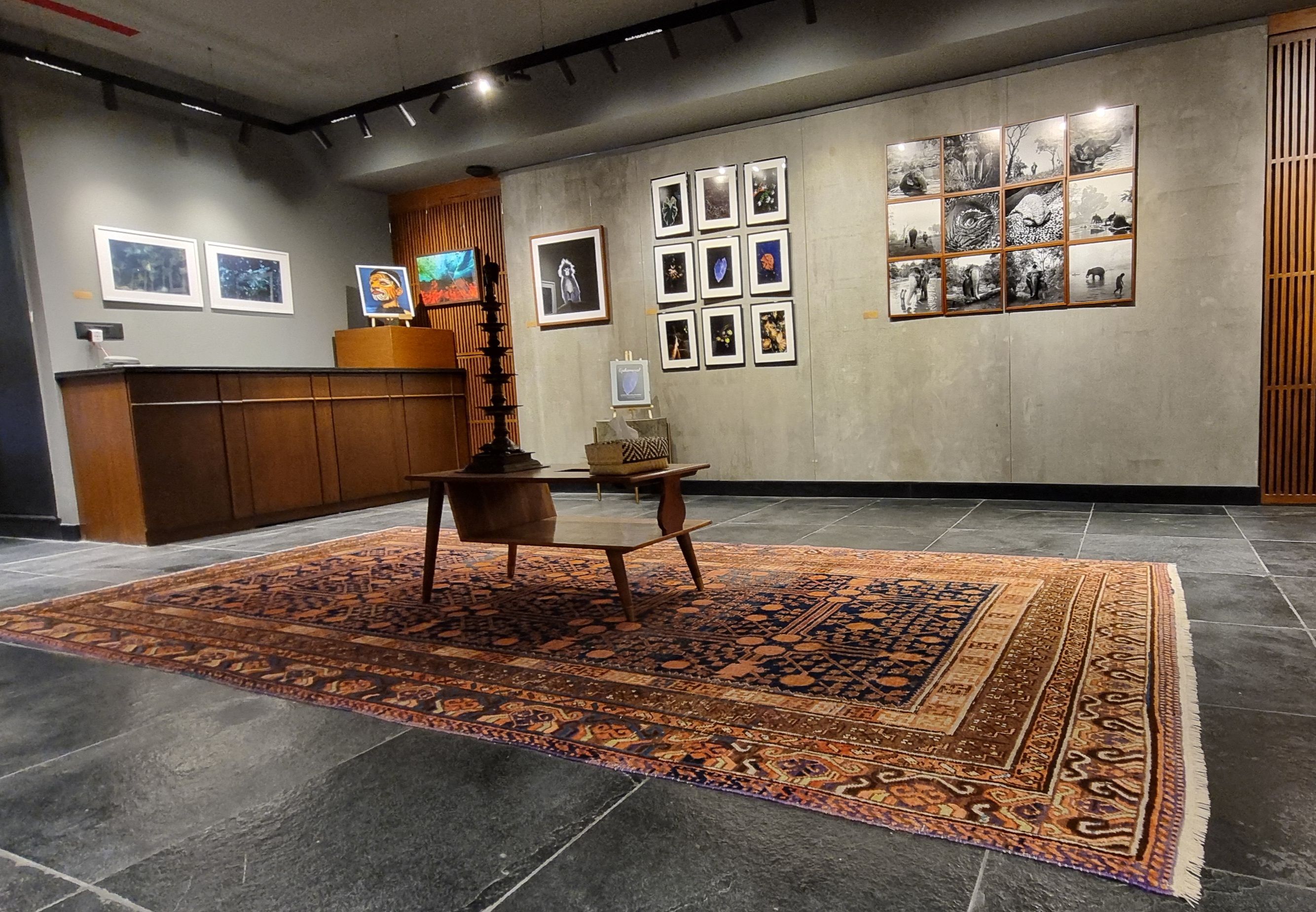
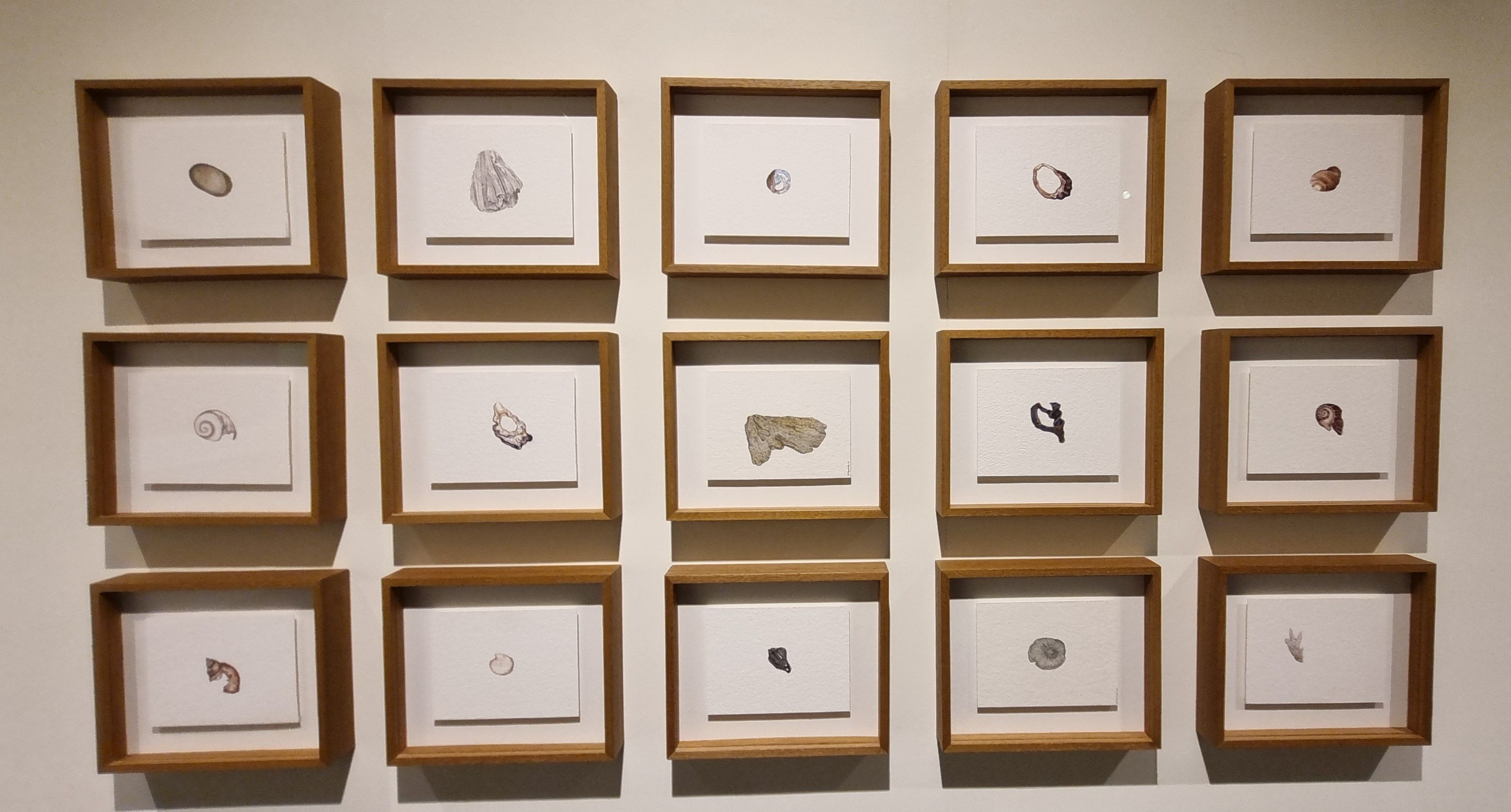
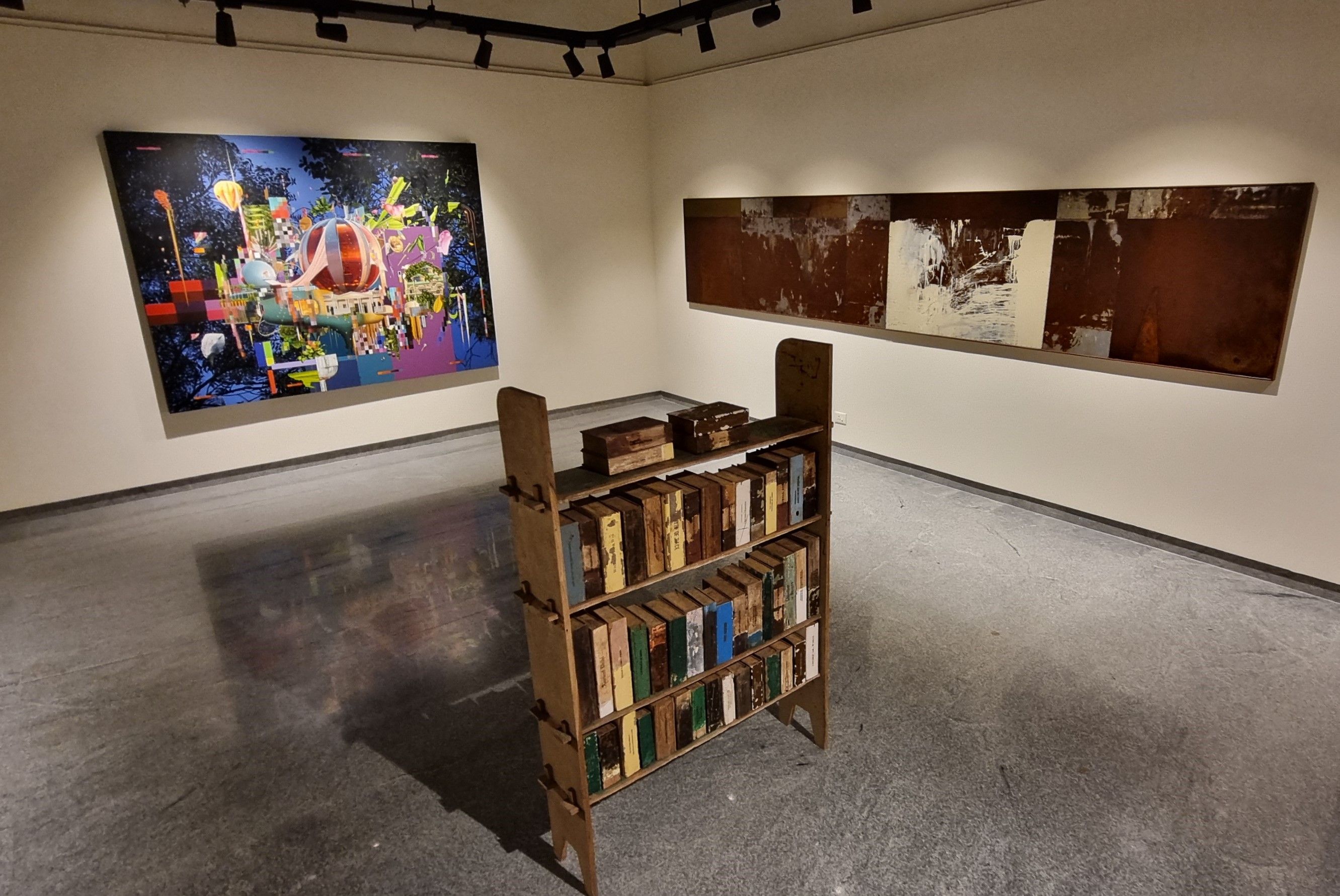
(All photographs taken by Madanmohan Rao on location at 'Contemporary Now' venues in Chennai.)
This content is published by YourStory and has not been created or edited by Hello Headlines. View original