India’s Green Cover Shrank From 36.9% in 2001 to 31.35% in 2025: Study
Kashmir, Observer, Jammu, Srinagar, Latest Kashmir News, Kashmir News, Kashmir Latest News
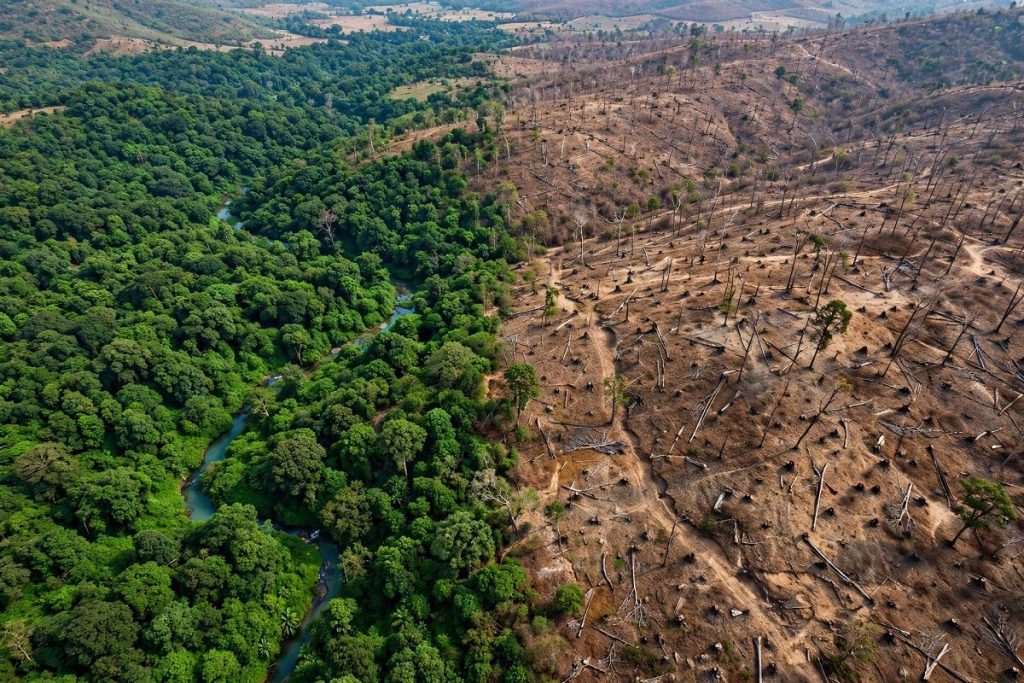
New Delhi- India saw a decline in green cover and a corresponding expansion of non-green landscapes by 5.6 percentage points between 2001 and 2025, which contributed to rising summer temperatures across the country, according to a new analysis.
“The difference in average summer temperature between the two land-cover categories (between 2001 and 2025) ranged from approximately 1 to 2.5 degrees Celsius, highlighting the important role of vegetation in regulating land-surface thermal conditions,” said the analysis released on Monday by Climate Trends, a Delhi-based climate research organisation.
According to the study, India’s green-cover area decreased from approximately 36.95 per cent in 2001 to 31.35 per cent in 2025.
Non-green land increased from 63.05 per cent to 68.65 per cent during the same period, indicating continuous expansion of anthropogenic and sparsely vegetated surfaces across large parts of the country.
Dr Palak Balyan, research lead at Climate Trends, said, “The findings clearly demonstrate that vegetation is not merely an ecological asset; it is an important component of India’s climate-adaptation infrastructure.”
“The persistent 1 to 2.5 degrees Celsius summer temperature difference between green and non-green landscapes highlights the role of vegetation in regulating local thermal conditions through evapotranspiration, shading and moisture retention,” she added.
The study also found that regions experiencing green-cover loss generally coincided with stronger summer warming, although regional climate forcing also influenced temperature rise.
The post India’s Green Cover Shrank From 36.9% in 2001 to 31.35% in 2025: Study appeared first on Kashmir Observer.
This content is published by Kashmir Observer and has not been created or edited by Hello Headlines. View original