Doc Talk | No Asthma, No Smoking, Still Breathless? How Delhi-NCR's Air Quality Affects Healthy Lungs
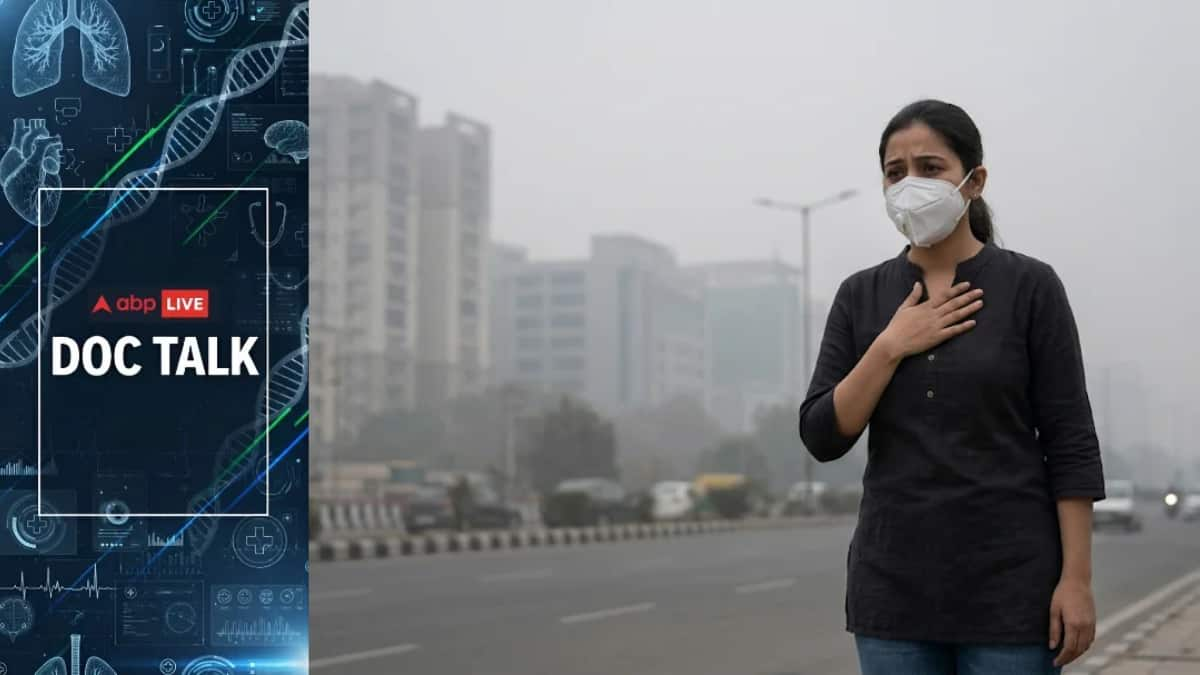
You are 30 years old, active, have never smoked and have no history of asthma. But a flight of stairs suddenly leaves you short of breath. This morning walk is a little more tiring than usual. Sometimes you find yourself taking deeper breaths even sitting at your desk.
This is becoming an unsettling reality for many healthy Delhi-NCR residents. The question isn’t why those with respiratory illnesses are having trouble breathing. This is why people who have never had problems with their breathing are beginning to feel it.
Part of the answer lies in what polluted air does to the lungs even when they are perfectly healthy.
ALSO READ: Doc Talk | Smartwatch Heart Rate Alerts: When Should You Worry And Consult A Doctor?
Your Lungs Are Locked In A Hidden War
Every day an adult inhales some 10,000 litres of air. During Delhi’s pollution episodes, that air carries a cocktail of microscopic particles, nitrogen dioxide and other pollutants harmful to health.
One of the most worrying is PM2.5, particulate matter of 2.5 micrometres or less in diameter. These particles can go deep into the lungs, to the tiny air sacs that are responsible for oxygen exchange.
Once inhaled, they can lead to oxidative stress and inflammation. The airways get irritated, mucus production may increase and some people get a temporary narrowing of their breathing tubes.
The outcome? Previously normal lung function can suddenly change to include coughing, chest tightness, wheezing or breathlessness.
Why Do Young, Fit People Get It, Too?
Good physical fitness does not protect lungs from pollution.
In fact, those who exercise outdoors may unknowingly increase their exposure. When you run or cycle you breathe more quickly and deeply, taking more polluted air into your respiratory system.
Another concern is unmasking of undiagnosed asthma or airway hyperreactivity with repeated exposure.
Research published by the American Thoracic Society and other respiratory health organisations report that short-term exposure to high levels of particulate pollution can aggravate respiratory symptoms and reduce lung function, particularly in sensitive individuals.
But don’t blame pollution for breathlessness straight away. Cardiac conditions, respiratory infections and other illnesses can cause symptoms similar to anaemia.
How Can You Keep Yourself Safe?
The first thing to do is stop thinking of the Air Quality Index as a weather report. It should inform daily choices.
When pollution levels are very bad or very poor move running, cycling and hard workouts indoors. If you must travel outdoors, a properly fitted N95 mask can help reduce your exposure to fine particles.
Try to reduce indoor air pollution at home. Do not smoke, use incense, mosquito coil and unnecessary burning. A correctly sized HEPA air purifier can help to reduce indoor particulate concentrations, especially in the bedroom.
Don’t count on steam inhalation, herbal teas or so-called lung detox remedies to reverse the damage done by pollution. There is no convincing clinical evidence that these treatments clear inhaled particles from the lungs.
ALSO READ: Doc Talk | How Diwali Air Pollution Affects Your Eyes And Puts Your Vision At Risk
When Is Breathlessness A Dangerous Symptom?
You should see a doctor if you get breathless doing normal activities or have a persistent wheeze or a cough that won’t settle. The pulmonologist may order spirometry to assess for airflow obstruction.
Seek emergency medical attention if you experience sudden or severe breathlessness, particularly if accompanied by chest pain, fainting, confusion or bluish lips.
Delhi’s air pollution crisis is often discussed in terms of numbers, AQI readings, concentrations of particulates and estimates of emissions. But it’s starting to hit closer to home.
When a healthy person starts to struggle to breathe, it’s not just an annoying winter symptom. It is a warning that the air has become a health hazard.
And protecting our lungs can’t be an individual responsibility alone. Cleaner air needs sustained action on emissions, transport, industry and construction dust, not just seasonal emergency measures.
Disclaimer: The information provided in the article is shared by experts and is intended for general informational purposes only. It is not a substitute for professional medical advice, diagnosis, or treatment. Always seek the advice of your physician or other qualified healthcare provider with any questions you may have regarding a medical condition.
This content is published by ABP Live - Health and has not been created or edited by Hello Headlines. View original