AIIMS Doctors Treat Rare Cancer Relapse After 10 Years; Here Are The Causes And Warning Signs
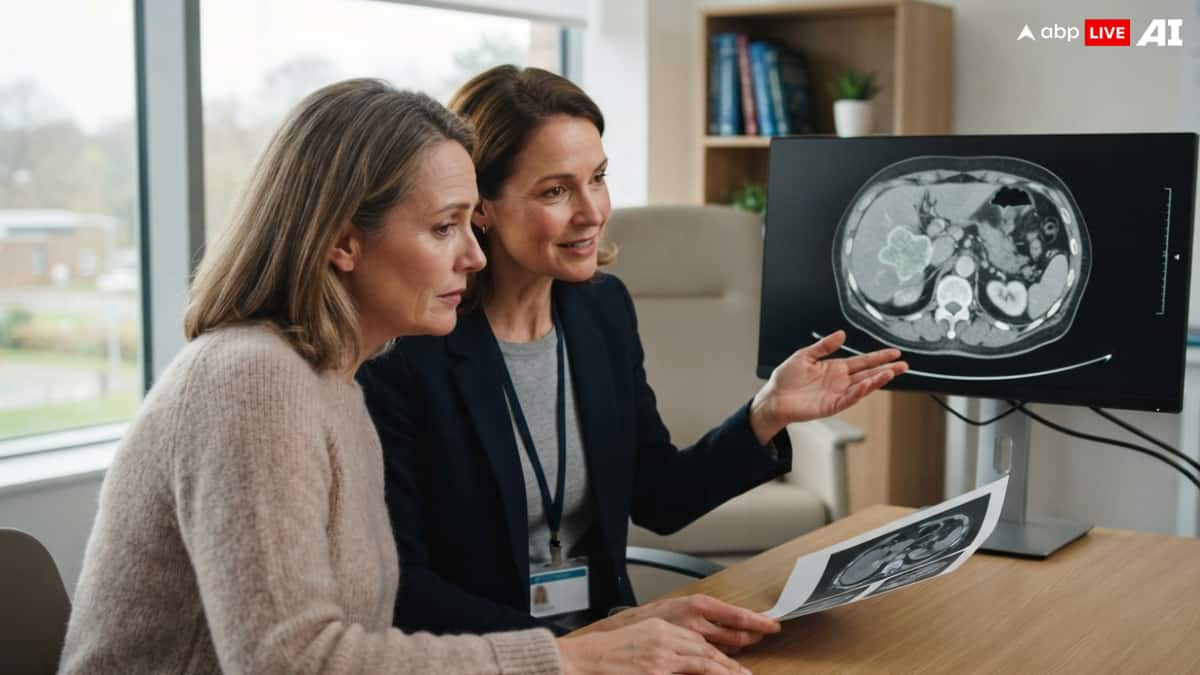
Cancer returning after successful treatment is one of the biggest concerns for patients and their families. However, there is no fixed timeline for cancer recurrence. While some cancers may return within a few months of treatment, others may reappear several years later. In a rare case, a woman who had been cancer-free for nearly 10 years was diagnosed with cancer again.
The patient had been diagnosed with retinoblastoma, a type of cancer that affects the retina, in both eyes during childhood. Nearly a decade after treatment, doctors discovered a new cancerous lesion in the bone of her leg. Doctors at the All India Institute of Medical Sciences (AIIMS), New Delhi, diagnosed it as metastatic retinoblastoma. When conventional treatment options did not produce the expected results, doctors used radiotherapy to control the cancer while preserving the functioning of her leg.
Cancer Returned After Nearly 10 Years
According to Dr Daya Sharma of AIIMS, the patient was diagnosed with cancer in both eyes during childhood. She underwent several treatments, including enucleation, a surgical procedure to remove the affected eye, and systemic chemotherapy, which uses medicines to treat cancer throughout the body.
Following treatment, her condition came under control, and she remained cancer-free for nearly 10 years. However, a new lesion was detected in the bone of her leg after almost a decade. Further investigations confirmed that it was metastatic retinoblastoma.
ALSO READ | Tamil Nadu Steps Up Bird Flu Surveillance After H5N1 Outbreak, 40,000 Chickens Culled In Cuddalore
Is There A Fixed Time For Cancer To Return?
According to Cleveland Clinic, there is no specific timeline for cancer to return after treatment. The possibility of recurrence depends on several factors, including the type of cancer, the initial treatment and the patient's overall health.
Some cancers may return relatively soon after treatment, while others may reappear years later. Even if cancer returns, treatment options may be available depending on the patient's condition. Some people can also live for several years with recurrent cancer.
What Are The Different Types Of Cancer Recurrence?
Doctors classify cancer recurrence into three main types based on where the disease returns.
- Local recurrence: This happens when cancer returns to the same location where it was originally diagnosed.
- Regional recurrence: In this type, cancer reappears in the lymph nodes or tissues near the original tumour.
- Distant recurrence: This occurs when cancer spreads from its original location to a distant organ or tissue in the body.
For example, lung cancer may return in the brain, indicating distant recurrence.
ALSO READ | What 5-Year-Olds Should Eat For Brain Development And Strong Bones, WHO Explains
Which Cancers Are More Likely To Return?
Any type of cancer can recur after treatment. However, identifying which cancer has the highest recurrence rate is difficult because the risk varies depending on several factors.
Some research has reported higher recurrence rates in ovarian cancer, metastatic melanoma and peripheral T-cell lymphoma. However, recurrence rates are not the same for every patient. The type of cancer, its stage and the treatment received can all influence the possibility of it returning.
Patients should consult their oncologists to understand their individual risk and the follow-up care they may need.
Symptoms Of Cancer Recurrence
The symptoms of recurrent cancer can vary from person to person. Some of these signs may also be associated with common health conditions, so experiencing them does not necessarily mean that cancer has returned.
However, certain symptoms should not be ignored, particularly if they persist or resemble those experienced during the initial diagnosis.
These include:
- A lump or swelling in the same area where cancer was previously detected.
- Persistent pain or a cough that does not go away.
- Unexplained weight loss.
- Unusual bleeding or easy bruising.
- Persistent fever.
- Frequent headaches.
- Difficulty breathing.
- Blood in the urine or stool.
- Nausea and vomiting.
- Difficulty swallowing.
If any of these symptoms appear, patients should consult their doctor for proper evaluation rather than assuming that cancer has returned.
Why Does Cancer Come Back After Treatment?
Cancer cells can change over time, and sometimes treatment may not eliminate every cancer cell in the body.
For instance, even after surgery removes a tumour, a few microscopic cancer cells may remain. These cells can be too small to detect during initial treatment or follow-up examinations.
If they survive and continue to grow, cancer may become detectable again later. In some cases, cancer cells may also respond differently to treatment, making it difficult to eliminate all of them.
How Is Recurrent Cancer Diagnosed?
Doctors may recommend several tests to determine whether cancer has returned. The investigations depend on the patient's symptoms, medical history and the suspected location of the disease.
Common diagnostic tests include:
- Blood Tests: These help doctors assess overall health and look for certain indicators associated with cancer.
- CT Scan: This creates detailed images of internal organs and tissues to identify abnormal growths.
- MRI: This provides detailed images of organs and soft tissues.
- PET Scan: This helps identify areas of increased metabolic activity that may indicate cancer.
- Urine Tests: These may be recommended in certain cases.
- Biopsy: Doctors collect a small tissue sample from the affected area and examine it under a microscope.
In some cases of blood cancer, additional investigations such as bone marrow biopsy and immunophenotyping may also be required.
Treatment Options If Cancer Returns
Treatment for recurrent cancer depends on the patient's overall health, the type of cancer, where it has returned and how much time has passed since the initial treatment.
Doctors may recommend repeating the earlier treatment, performing surgery to remove a new tumour or using a different chemotherapy regimen.
Other treatment options may include targeted therapy and immunotherapy, depending on the type and characteristics of the cancer. In some cases, cancer that returns shortly after treatment may be more difficult to manage.
The treatment plan is therefore decided individually after evaluating the patient's condition and available options.
What Is The Outlook For Patients With Recurrent Cancer?
The outlook for recurrent cancer varies from one patient to another. Factors such as the type of cancer, response to previous treatment, treatment-related side effects and overall health play an important role in determining future treatment and outcomes.
Patients should discuss their condition and available treatment options in detail with their doctors. Maintaining a balanced diet, getting adequate sleep and staying physically active as advised by healthcare professionals can also support overall well-being.
Palliative care may also help manage symptoms and treatment-related side effects, improving the patient's quality of life.
[Disclaimer: The information provided in the article is intended for general informational purposes only. It is not a substitute for professional medical advice, diagnosis, or treatment. Always seek the advice of your physician or other qualified healthcare provider with any questions you may have regarding a medical condition.]
This content is published by ABP Live - Health and has not been created or edited by Hello Headlines. View original