Jharkhand Reports 11.7% Teenage Pregnancy Rate, 65% Of Adolescent Girls Suffer From Anaemia
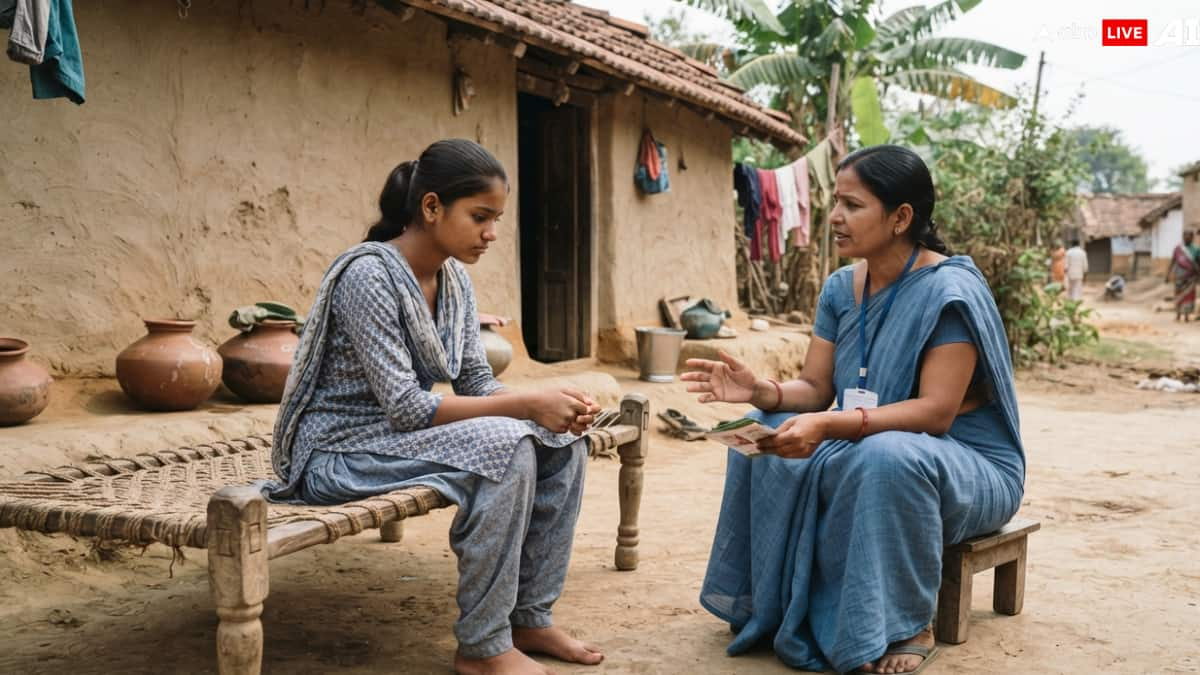
Teenage pregnancy continues to be a major health and social concern in Jharkhand, with rural areas reporting significantly higher rates than urban regions. Early marriage, limited access to education, social traditions and lack of awareness about reproductive health are among the factors contributing to the problem.
According to the National Family Health Survey-6 (NFHS-6), the teenage pregnancy rate in Jharkhand has increased from 9.8% to 11.7%. The rural-urban gap is particularly concerning, highlighting the challenges faced by adolescent girls in villages.
Rural Areas Report Nearly Three Times More Teenage Pregnancies
According to Dr Kaninika Mitra, UNICEF's Jharkhand State Head, the teenage pregnancy rate stands at 4.7% in urban areas, compared to 13.3% in rural regions.
This means teenage pregnancy is almost three times more common in rural Jharkhand than in cities. Experts point out that the disparity is not just linked to access to healthcare but is also influenced by education, social beliefs, child marriage and limited opportunities for adolescent girls.
The prevalence of child marriage in Jharkhand has declined from 32% in NFHS-5 to 28% in NFHS-6. However, the decline remains slower than expected. According to UNICEF, around 28% of child marriages in the state result in teenage pregnancies.
At the national level, the child marriage rate is approximately 20%, placing Jharkhand among the five states with the highest prevalence of child marriage.
ALSO READ | Pet First | 5 Ways To Protect Your Pet’s Paws From Winter Cold And Dryness
Why Is Teenage Pregnancy More Common In Rural Jharkhand?
Child marriage is one of the major factors contributing to teenage pregnancy. When girls marry at an early age, they often face pressure to become mothers soon after marriage.
However, experts believe that child marriage alone does not explain the situation. School dropouts, concerns about girls' safety, limited employment opportunities and deep-rooted social beliefs also play an important role.
Dr Kaninika Mitra highlights that access to secondary education remains a major challenge in rural areas. Many families find it difficult to send their daughters to schools located far from their villages.
Parents' concerns about their daughters' safety sometimes lead them to consider early marriage as a way of protecting them. Additionally, when families do not see clear opportunities for higher education or employment, marriage may appear to be an easier option.
Social beliefs around marriage also contribute to the problem. In some communities, early marriage is considered an essential milestone in a girl's life. The perception that marrying at a younger age involves lower expenses and less dowry can further encourage the practice.
ALSO READ | What 5-Year-Olds Should Eat For Brain Development And Strong Bones, WHO Explains
Traditional Practices Also Pose Challenges
Certain tribal communities in Jharkhand follow traditions in which young women and men have the freedom to choose their life partners. Some regions also have a traditional live-in arrangement known as 'Dhuku'.
According to experts, these traditional arrangements can sometimes make it difficult for adolescent girls to access essential healthcare services related to pregnancy and motherhood.
In certain cases, girls may discover their pregnancies late, resulting in missed antenatal check-ups. They may also fail to receive timely nutritional support, iron-folic acid supplements and other essential medicines.
Anaemia Increases Health Risks During Teenage Pregnancy
Anaemia is another major health concern among adolescent girls in Jharkhand. According to the report, around 65% of teenage girls in the state suffer from anaemia.
Pregnancy during adolescence can increase health risks because the body may not have completed its physical development. A lack of proper medical supervision and adequate nutrition can further affect the health of both the mother and the baby.
Inadequate nutrition during pregnancy can increase the risk of intrauterine growth restriction (IUGR), a condition in which the baby does not grow as expected inside the womb. It can also lead to low birth weight and premature delivery.
In severe cases, these complications may affect a child's development and learning abilities.
Teenage pregnancies are also associated with a higher risk of anaemia, high blood pressure and pre-eclampsia. Some pregnant adolescents may also develop gestational diabetes. Incomplete physical development can further increase the chances of complications during childbirth.
Jharkhand Also Records A High Number Of Underweight Children
The nutritional challenges extend beyond adolescent girls and affect young children as well.
According to NFHS-6 data, the proportion of underweight children below five years of age in Jharkhand has increased from 39.4% to 41.1%. This is the highest figure among all Indian states.
Additionally, 22.3% of children in the state suffer from wasting, a form of acute malnutrition.
Doctors believe that teenage pregnancies and anaemia among adolescent girls can also affect children's health. Poor maternal nutrition and inadequate healthcare during pregnancy may contribute to low birth weight and other developmental challenges.
Government Introduces New Strategy To Address The Problem
The Jharkhand Health Department is now focusing on women's health even before pregnancy, rather than limiting its efforts to antenatal check-ups and institutional deliveries.
Under the Safe Motherhood Assurance 2030 initiative, the state has introduced pre-conception care to identify potential health risks before a woman becomes pregnant.
Through the Sahiyas, women planning to conceive are identified and referred to Community Health Officers (CHOs) and Auxiliary Nurse Midwives (ANMs).
They are then screened for health conditions and potential pregnancy-related risks, including blood count, diabetes, high blood pressure, sickle cell disease and teenage pregnancy.
The initiative aims to identify health concerns early and improve maternal and child health outcomes across the state.
This content is published by ABP Live - Health and has not been created or edited by Hello Headlines. View original