Xi, Trump, Putin meet in Shenzhen: What it means for the world
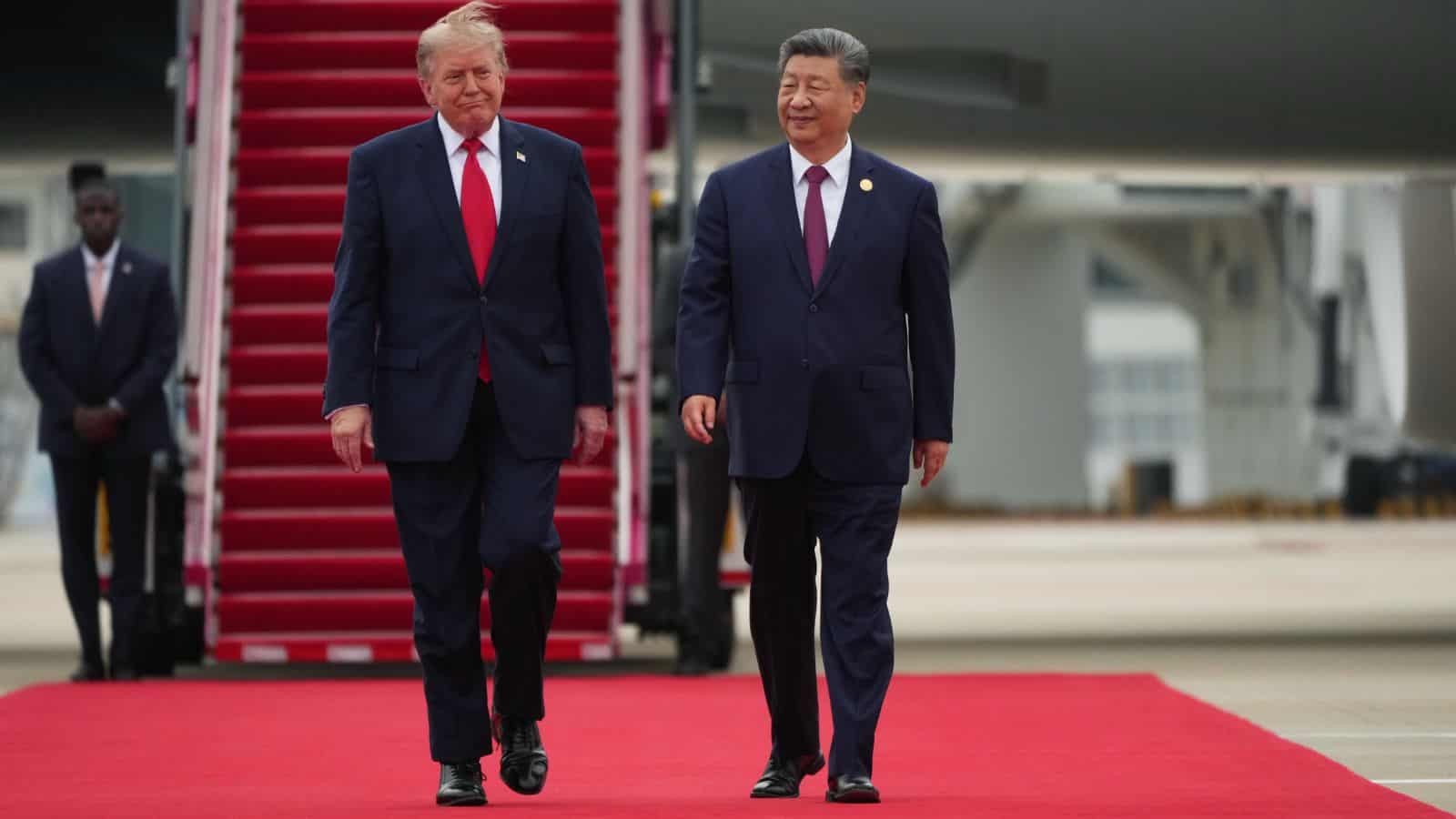
Sydney: Xi Jinping, Vladimir Putin and Donald Trump are meeting on the sidelines of the Asia-Pacific Economic Cooperation (APEC) summit in Shenzhen, China, on Thursday, November 19.
The meeting is no doubt unusual – a very rare opportunity for the leaders of the world’s three major powers to exchange views directly on major global issues.
It’s drawn comparisons to the Yalta conference of 1945, when US President Franklin D. Roosevelt, British Prime Minister Winston Churchill and Russian leader Joseph Stalin met to divide the world into spheres of influence after the Second World War.
But this is no Yalta 2.0. Nor is the Shenzhen summit an isolated episode. In May this year, Xi hosted back-to-back visits by Trump and Putin to Beijing. Trump reciprocated by hosting Xi in Washington in September, and met with Putin in Alaska last year.
Taken together, these developments signal a broader shift away from the post-Cold War emphasis on global institutions and multilateral consultations toward a more personalised form of great power management.
This is likely the new normal: a world in which China, Russia and the US act as an informal steering committee for global affairs, with Europe and other middle powers increasingly on the sidelines.
Who’s invited into the room
While China, Russia and the US remain strategic competitors, they increasingly share an understanding of how international politics should be conducted: less through institutions and coalitions, and more through direct engagement among a small number of major powers.
This is by no means a formal alliance – not even between China and Russia – or a coordinated redesign of the international system. Rather, it reflects a common instinct toward great-power management of international affairs.
All three favour a world in which major powers enjoy special rights and a privileged voice in shaping outcomes, negotiating major questions directly while limiting others’ involvement. Whether discussing war, security issues or economic stability, the major powers increasingly appear willing to bypass institutional channels in favour of high-level, direct diplomacy.
For instance, Russia and the US just concluded a third round of peace talks this year in Abu Dhabi towards ending the war in Ukraine. While Ukraine was part of the discussions, European negotiators were not.
In such a world, power determines not only outcomes, but who gets invited into the room when outcomes are being discussed.
Europe increasingly on the sidelines
The most obvious casualty of this trend is Europe.
During the Abu Dhabi talks last week, the Russian delegation made clear it wanted a new security framework for Europe modelled after the spheres of influence that existed during the Cold War. Trump has also flagged this as a possibility, saying the US was working on a big deal to end the war that would include “all of Europe”.
After the talks, US special envoy Jared Kushner said Washington wanted Europe to be part of the process. He added, however, that finding someone who could credibly speak for Europe might be harder than persuading Russia to include them – a provocative statement.
These comments have set off alarm bells in Europe and reinforced a growing perception that Europe is increasingly fragmented and marginalised as an actor in global politics.
More significant, however, is that Xi ultimately agreed to join the Shenzhen trilateral summit. Having seen Europe sidelined from the Abu Dhabi talks, his decision to meet with Trump and Putin risked legitimising that exclusion, even if Ukraine is not on the agenda.
That looks awkward for China, given Xi’s repeated emphasis on multipolarity and criticism of Cold War-style politics dominated by a few major powers. Beijing has also previously stressed that Europe should be “at the table” for Ukraine discussions.
And yet Xi has agreed to meet with Trump and Putin. Moreover, China’s Foreign Ministry described the summit as having “groundbreaking significance”. The three leaders would “exchange views in depth on safeguarding world peace and promoting strategic stability in major-power relations,” it said.
This suggests Beijing accepts a model of diplomacy centred on major powers, to the exclusion of others.
And this creates an uncomfortable reality for Europe.
Europe remains one of the world’s largest economic and technological centres, but it struggles to translate that weight into a unified strategic voice that carries weight on the global stage.
The symbolism of the Shenzhen meeting is telling. Three leaders will be discussing issues that affect Europe’s future. And again, Europe itself will not be present.
The middle powers’ counter-agenda
However, the return of great-power diplomacy does not mean middle powers are irrelevant. European nations, Canada, Australia, Japan, South Korea, and key Southeast Asian nations may not have the military capabilities or geopolitical heft to alter the distribution of power in the international system.
But they do still have institutions, networks and coalitions. They can help shape international rules, sustain institutions and build partnerships capable of constraining larger states.
Canadian Prime Minister Mark Carney’s call for closer middle-power cooperation reflects this logic. Rather than choosing sides in the great-power rivalry, he’s recognised the necessity to “stop pretending, to name the reality” while “building coalitions that work – issue by issue, with partners who share enough common ground to act together.”
The more global power becomes concentrated in the hands of a few leaders, the stronger the incentive for middle powers to work together. They are unlikely to decide the overall direction of the world order, but they can still influence the rules, norms and institutions through which that order operates.
The question raised by Shenzhen, therefore, is not whether a handful of major powers will continue to exercise disproportionate influence. They will. Rather, it is how the rest of the world will respond.
Get the latest updates in Hyderabad City News, Technology, Entertainment, Sports, Politics and Top Stories on WhatsApp & Telegram by subscribing to our channels. You can also download our app for Android and iOS.
This content is published by The Siasat Daily and has not been created or edited by Hello Headlines. View original