Three years on: India's 2023 ODI World Cup final heartbreak at Ahmedabad remembered
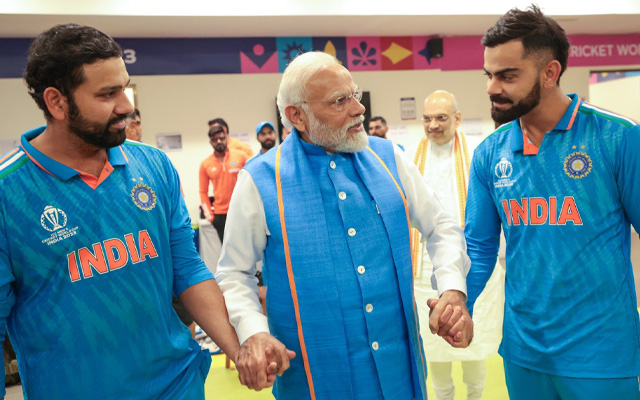
November 19, 2026 marks three years to the day since Narendra Modi Stadium in Ahmedabad staged the 2023 ICC ODI World Cup final, a match Australia won by six wickets to claim their sixth world title. The occasion drew 1,32,000 spectators to the world's largest cricket ground, yet the home side left the field without the trophy they had been widely expected to lift.
India, captained by Rohit Sharma, had not lost a single game throughout the tournament before the final. Their path to the summit clash included a semi-final victory over New Zealand by 70 runs, while Australia, led by Pat Cummins, had edged South Africa by three wickets in the other last-four tie. The 2023 edition ran from October 5 to November 19, 2023, with Ahmedabad hosting a Cricket World Cup final for the first time.
How did Australia overhaul India's total in the final?
India batted first and posted 240 runs, a target Australia overhauled with six wickets remaining and 42 balls still unused. The chase was defined by a fourth-wicket stand of 192 runs between Travis Head and Marnus Labuschagne, a partnership that shifted the momentum decisively and quietened the capacity crowd well before the closing overs.
Head was the driving force behind Australia's reply, scoring 137 off 120 balls in an innings that dismantled India's bowling attack. Labuschagne offered composed support throughout their record-breaking stand, and together the two batters carried Australia to the verge of the title. Virat Kohli was among the prominent Indian players who featured in the final as the side sought a third World Cup triumph, but the result went firmly Australia's way. It was also the second time the two nations had contested an ODI World Cup final, the first having been in 2003, when Australia again prevailed.
What did Australia's sixth World Cup title mean historically?
The win in Ahmedabad gave Australia their sixth ODI World Cup, the most by any nation in the tournament's history. Their earlier triumphs had come in 1987, 1999, 2003, 2007 and 2015, and the 2023 victory extended that unmatched record by one.
For India, the defeat was especially hard to absorb given that Rohit Sharma's side had gone unbeaten through every league match and knockout fixture leading into the final. Virat Kohli had finished the tournament as the highest run-getter with 765 runs from 11 matches, including a half-century in the final. Mohammed Shami, on the other hand, was the
The loss at Narendra Modi Stadium remains one of the most discussed results in Indian cricket, with supporters and analysts continuing to revisit what transpired on that November afternoon three years on.
This content is published by CricTracker and has not been created or edited by Hello Headlines. View original