How VedaCorp Sealed the Rs 1,600 Crore A2B–Bodhi Tree Deal After 8 Years
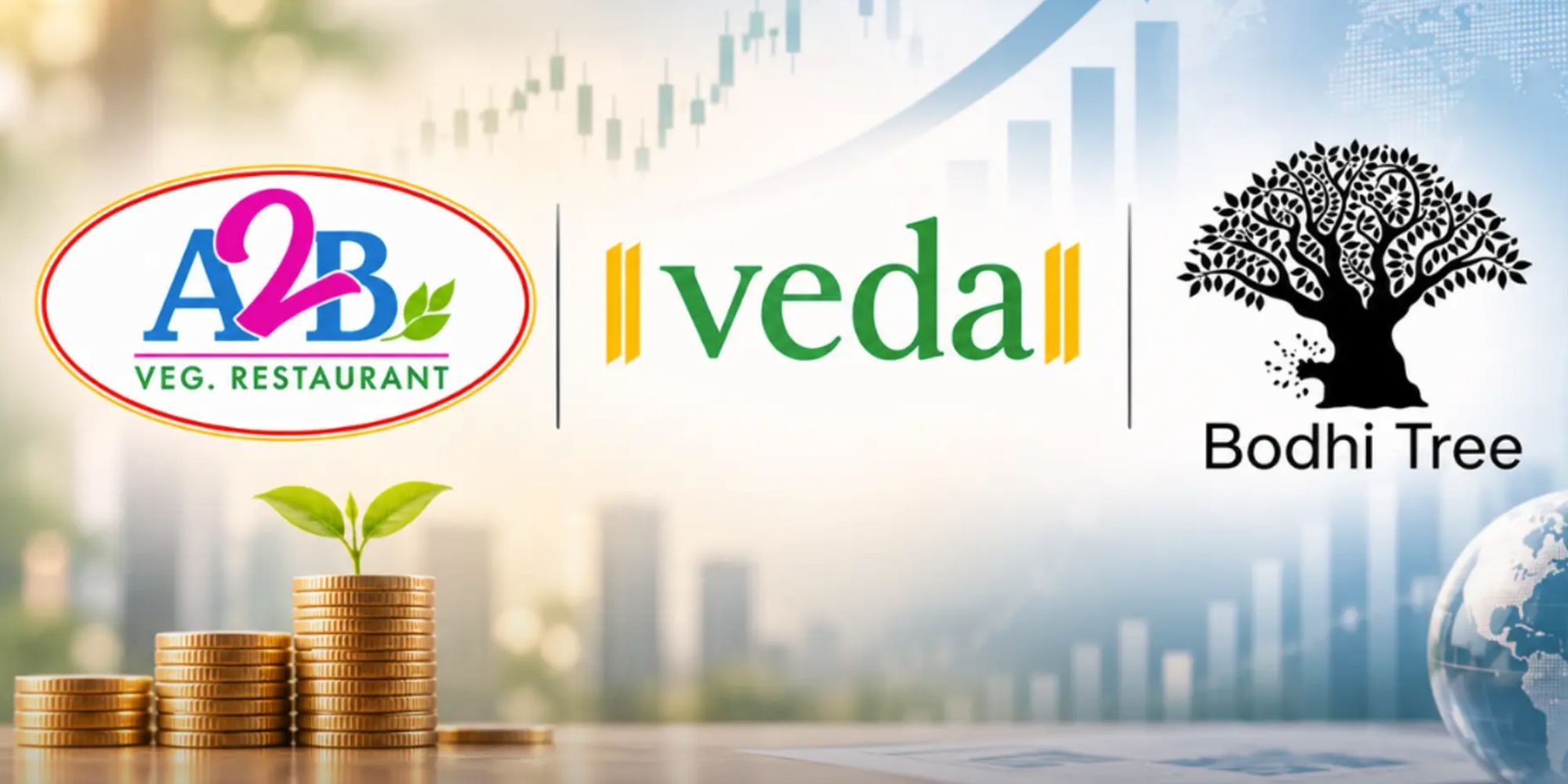
Adyar Ananda Bhavan (A2B) is one of India’s most trusted food brands. Bodhi Tree Systems, the platform of James Murdoch’s Lupa Systems and Uday Shankar, recently bought a majority stake in the company for about Rs 1,600 crore ($180 million). After the deal, A2B’s total value is estimated at about $350 million (around Rs 2,800 crore to Rs 3,400 crore).
A2B was started about 60 years ago. It took this investment to expand across India and around the world, and to become a global leader in the Indian food business. Under the deal, the majority stake in A2B has now passed to Bodhi Tree Systems.
A2B co-founder K.T. Srinivasa Raja said the company is delighted to begin this next chapter with Bodhi Tree. He said the goal of the partnership is to make A2B a company ready to list on the stock market.
A2B is a leading brand for South Indian restaurants, sweets and savouries. It has a strong base in Tamil Nadu and Karnataka and a growing number of outlets across India. Today it runs 160 outlets in India and more than 30 abroad, with over 15,000 employees.
Few brands in South India’s food business have earned the trust, wide affection and lasting reputation that A2B has built over generations. Adyar Ananda Bhavan has long been known as a family business, and it has now passed into the hands of a Mumbai-based investment firm. Even so, the deal is widely seen as a boost to A2B’s growth. Bodhi Tree’s strategy is to take strong consumer brands towards modern technology and global expansion, and its investment is expected to strengthen that path.
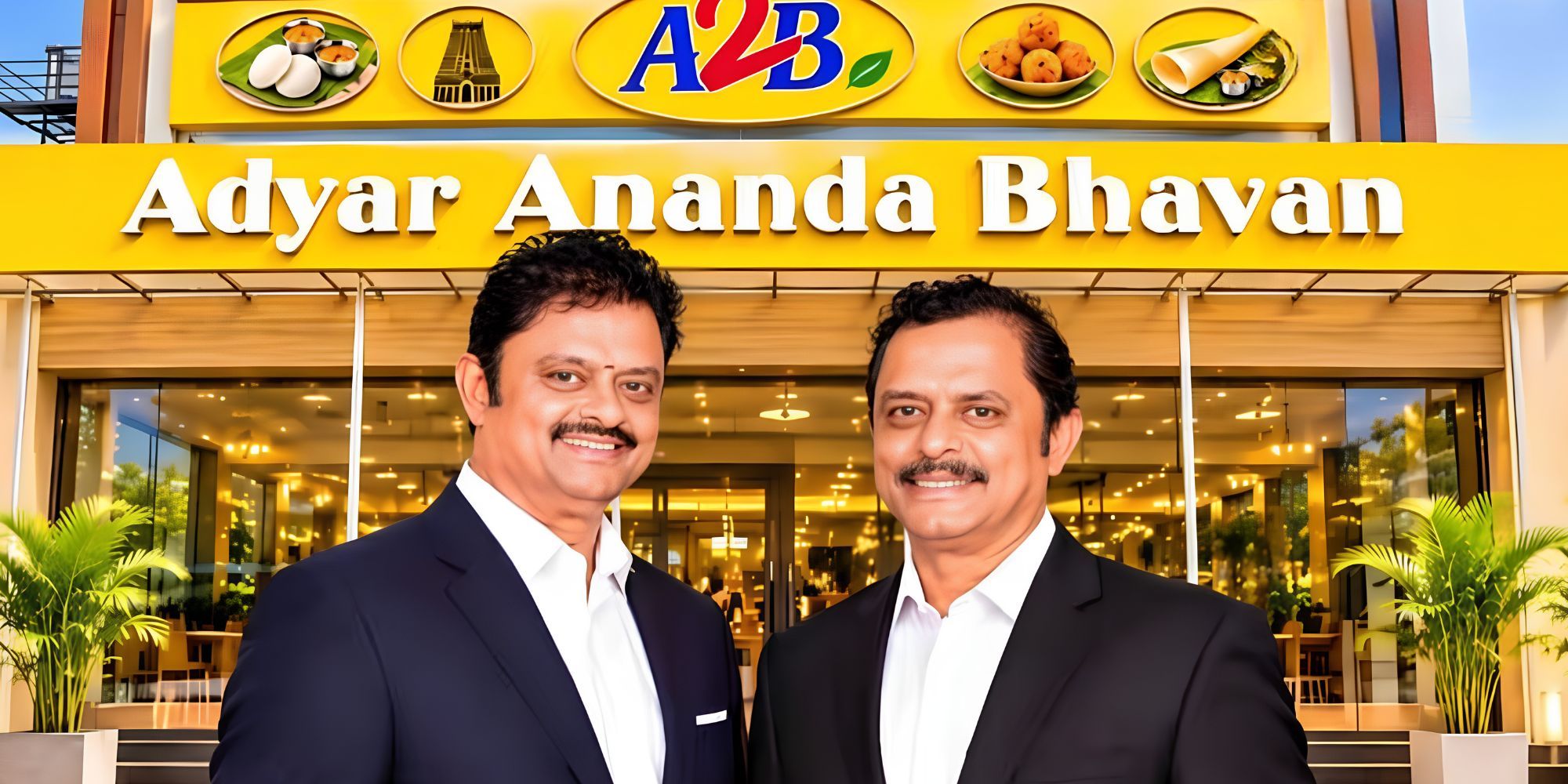
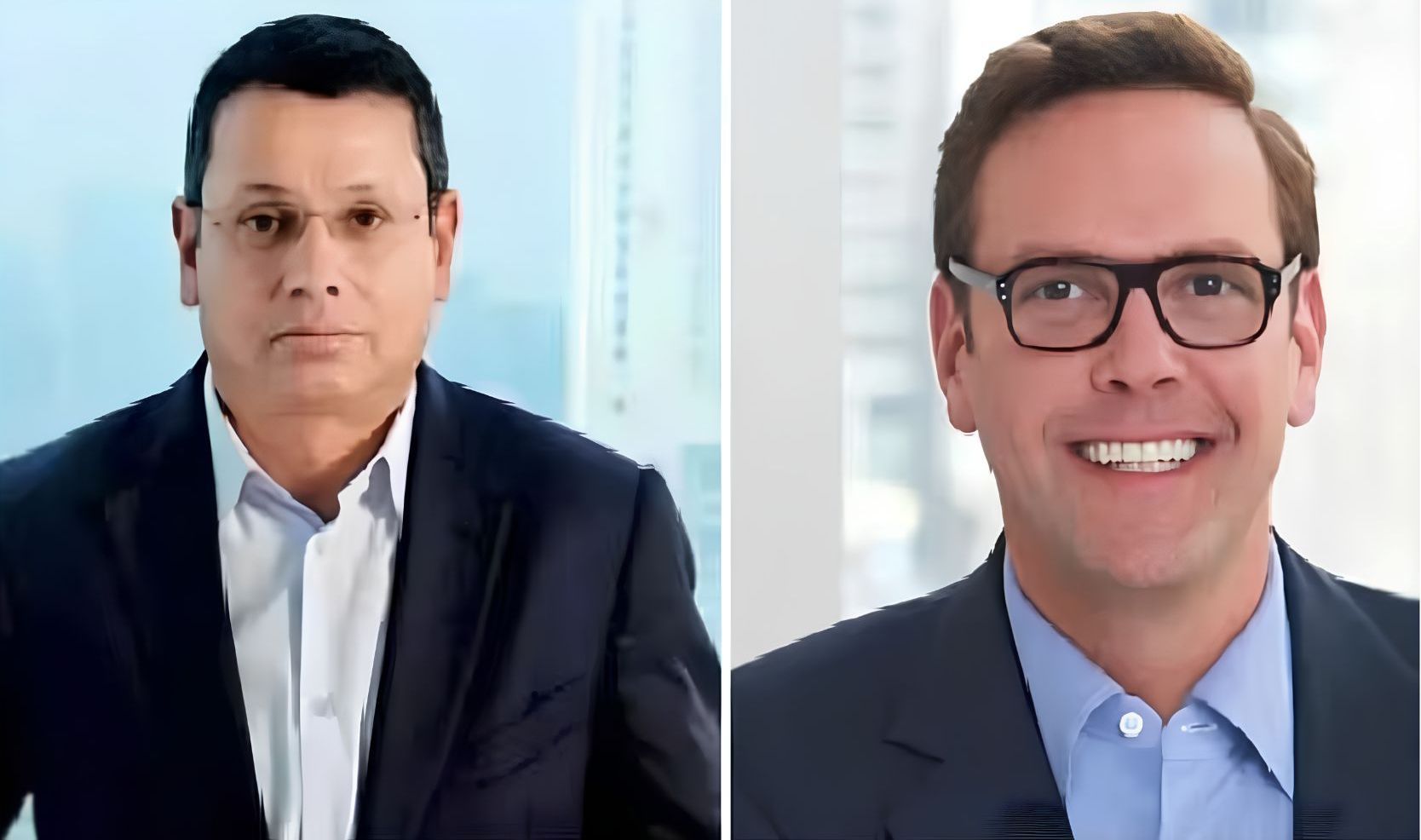
A2B began as a single sweet shop in Rajapalayam. Today it is a strong brand in India and overseas, with operations in Singapore, the US, Australia, Malaysia and the UK. James Murdoch and Uday Shankar, co-founders of Bodhi Tree Systems, said they are eager to take the brand’s authentic traditional food to many more customers around the world.
The deal is also seen as the start of A2B’s next chapter with Bodhi Tree. The plan is to make the company ready for the stock market, and in doing so build a better future for its customers, employees and investors alike.
So how did a traditionally run company like A2B decide to take outside investment on this scale and give up its majority stake? And who was the key link behind the deal?
How the A2B–Bodhi Tree deal came together
The groundwork for A2B’s landmark deal was laid by VedaCorp, a leading investment bank and corporate finance advisory firm founded in Chennai in 2003.
VedaCorp has more than 23 years of experience helping growing companies raise private equity and handle mergers and acquisitions (M&A). It works across sectors such as IT, healthcare, consumer goods, retail, fintech and manufacturing.
The firm has closed more than a hundred major transactions so far and has played a key role in several notable Indian business deals. These include Titan’s acquisition of a majority stake in online jewellery retailer CaratLane and ChrysCapital’s investment in CavinKare, among others. It also closed a major deal for Kovai Pazhamudhir Nilayam (KPN), a leading Tamil Nadu retail company. In that all-cash deal, private equity firm WestBridge Capital bought about 70% of KPN for Rs 550 crore to Rs 600 crore, valuing the company at Rs 800 crore.
Sivaraj Sekar, Managing Director of VedaCorp, played a central role in the A2B deal. He spoke to YourStory Tamil in detail about it. Here are edited excerpts from the conversation.

Induja: You played a key role in this deal. How did you bring a traditional family business to the negotiating table? How did you begin as the middleman?
Sivaraj Sekar: We were the exclusive advisors for this transaction. I led it together with my co-partner Atul. A2B is a famous brand with a legacy of about 50 years. We have known the company for the past 7–8 years and have met and spoken with them from time to time.
There are many hotel brands, but names like Sangeetha or Geetham usually stay within one city or one state. That is because food habits and tastes change from state to state. For example, Tamil Nadu sambar is very different from Karnataka sambar. Travel just 200 to 300 km and the food changes. I noticed eight years ago that A2B had overcome this challenge.
In 2016–17, we met A2B’s founders, Srinivasa Raja and Venkatesan. We asked them:
“What is your next plan? A2B is a very strong brand. If you bring in institutional capital like private equity, you could take the company to the next level much faster.” Back then they said, “No, we have enough internal funds. We are growing in our own way, and we don’t need outside capital right now.”
People who have run a business successfully for 50 years have that self-belief and fighting spirit, and that is what brought them this far. But we kept talking to them.
We explained, “Borrowing from a bank is very different from bringing in outside investors. Investors bring not just capital but also fresh thinking and best business practices. They will widen your vision.”
Induja: So the deal became possible only after talking for nearly 7 to 8 years?
Sivaraj: We have known them for 7–8 years, but things really picked up only in the last two years. Beyond Tamil Nadu and Karnataka, they have 170 outlets across India, including Andhra Pradesh and Delhi. They also have 30 outlets abroad in the US, Australia, Sri Lanka, Singapore and Malaysia, and they are about to enter Europe. When we met them again two years ago, we told them:
“If you want to do justice to the original vision you had when you started this company with your father and brothers, this brand has to travel the world.” They really liked that.
We had earlier advised Kovai Pazhamudhir Nilayam. Their family business had been split among several partners, and we brought it together as one company and helped it raise investment. We also brought Temasek’s investment into Milky Mist. We shared those experiences with A2B too.
Induja: Traditional family businesses usually have a deep emotional bond with their brand. How did you handle that as an advisor?
Sivaraj: Yes, that’s true. But what sets us apart is that we don’t look only at the numbers, like the valuation or how much money will come in. We also look at the chemistry between the two sides. So we encouraged Srinivasa Raja to speak with Senthil, the founder of Kovai Pazhamudhir Nilayam (KPN). Senthil shared his experience of working with investors.
He explained that bringing in a professional team cut the capital cost of opening an outlet from Rs 100 to Rs 70–80, which let them open more outlets. He also talked about best practices in areas like people development and cutting food waste. Because KPN is also a Tamil Nadu company, this gave A2B a lot of confidence.
They will also judge whether we are talking just to close a deal or truly for their growth. So we earned their trust and clearly defined what their role in the transaction would be.
Induja: When you were convincing them, did you have Bodhi Tree Systems in mind? Or did you look for investors after they agreed? What was it like bringing the two sides together?
Sivaraj: When we first meet any company, we never have a particular investor in mind. First, we build their belief that they have a big growth opportunity and can raise outside capital. Only after they agreed did we start approaching investors.
“Several investors came forward, and we assessed them on many criteria, including valuation, cultural fit, and rights and obligations. We chose Bodhi Tree because they are excellent operators. We have seen how they scaled the Allen education business in a big way, and how they performed at JioStar. They are very good at spotting the right talent and bringing it into a company.”
Indian food is hugely popular around the world. But unlike pizza or cookies, we can’t mass-produce and sell dosas or puris. Each one takes time to make. So scaling up without losing quality needs the right team and the right mindset.
“I hear that people wait 40 minutes for a table at the A2B restaurant in New Jersey, US. It isn’t just the restaurants. Their sweets and savouries are loved by everyone from 6 to 60. We chose Bodhi Tree because this brand needs the right team to take it to the next level.”
Induja: When did Bodhi Tree join the talks? How did the final stages play out?
Sivaraj: Bodhi Tree came into the talks about a year ago. They were very keen and moved very fast. But A2B had never raised outside capital before, so we needed a year to get the company ready. Of the last two years, we spent one full year just preparing the company for this. Only after that was the deal closed.
Induja: A2B is a family business. How did the second and third generations respond to this investment decision?
Sivaraj: They were very welcoming. Many of them studied abroad in places like Australia and Singapore and have worked at large companies. They understand the global market, so they were very open-minded.
Once the founders agreed, they told us that this was a 50-year legacy and the family had to be consulted. We held several rounds of meetings with the family. They asked very sharp, direct questions. We gave clear answers and helped them understand.
Induja: Now that the majority stake has gone to Bodhi Tree, what is next for A2B?
Sivaraj: They plan to grow the company in three key areas:
- More outlets: Opening many more outlets in India and abroad. There are still many places in India they have yet to reach.
- Snacks business: Haldiram has grown into a company earning Rs 12,000 crore in revenue and now plans to go public at a market value of Rs 1 lakh crore. That shows how big the Indian snacks market is. A2B also plans to expand its snacks business in a big way.
- International expansion: They will focus strongly on adding more outlets overseas.
Induja: With the majority stake now with an investment firm, will A2B’s distinctive quality and people’s bond with the brand stay the same? What will the family’s role be from now on?
Sivaraj: Their next goal is to list the company on the stock market (IPO/listing) in the next 2 to 4 years. A heritage brand from South India going public would be a huge milestone. Milky Mist has grown well since going public, and we believe A2B will do very well too. That belief is why we have taken steps like professionalising the company and bringing in outside investment.
“As for the founders, they will stay on the board, and the second generation will continue in their roles. The company’s core DNA and its distinctive quality will not change. The deal has been designed so that this quality continues.”
Induja: Will your journey with A2B continue from here?
Sivaraj: Our job is to raise capital for companies, but we always stay in touch with them. A company needs several rounds of funding as it grows, so our advisory journey with them will carry on.
Induja: Today, startups are usually the ones most eager to raise investment. What message do you have for those running traditional family businesses?
Sivaraj: I have seen companies that once saw selling a stake as being like pawning the family jewels. But today I am also seeing a shift, with founders keeping just 5–6% of their company and growing it to a very large scale.
I have just one thing to say to heritage brands:
“If you have a strong brand and have grown it as far as you can, the only thing holding back the next phase of growth is the mindset of the people at the top. If you want to truly do justice to your brand and want it to travel beyond borders, you have to think big. It could be private equity or a partnership. You have to be open to talking about it.”
This content is published by YourStory and has not been created or edited by Hello Headlines. View original