New species of predatory aquatic insect discovered in Eastern Ghats
Hyderabad: A new species of predatory aquatic insect, recognised for swimming upside down beneath the water surface, has been discovered in the Eastern Ghats. The species was documented from freshwater habitats across the Seshachalam Biosphere Reserve in Andhra Pradesh and Amrabad Tiger Reserve in Telangana.
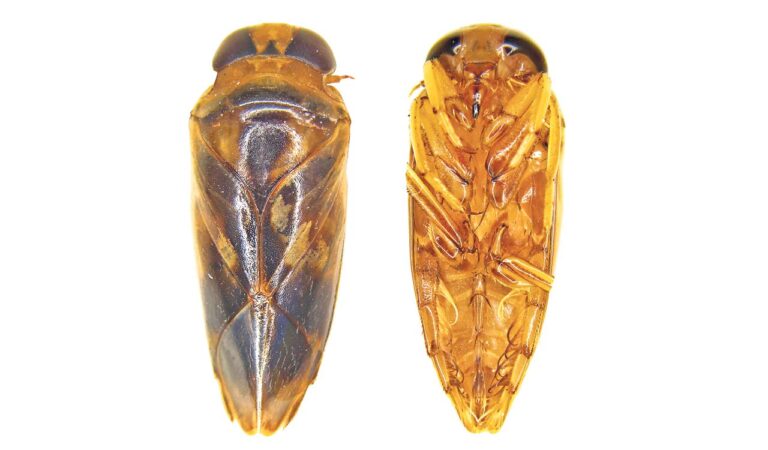
Named Enithares deccanensis Banerjee et al, 2026, the newly described species belongs to the family Notonectidae, commonly known as backswimmers, a group of predatory aquatic insects. The research was conducted by Somesh Banerjee, Devadoss Kumar, Dr. Deepa Jaiswal and Karuthapandi Madasamy, with affiliations to the Zoological Survey of India (ZSI), Hyderabad, and VHNSN College, Virudhunagar, Tamil Nadu.
According to researchers, unlike previously described members of its genus, E. deccanensis possesses a distinctive combination of morphological features, including a dark, V-shaped marking on its wings and a characteristic sickle-shaped male reproductive structure.
The researchers said they employed an integrative taxonomic approach combining detailed morphological examination, DNA barcoding and phylogenetic analyses to establish its identity.
Further, molecular evidence revealed approximately 10–14.5 percent genetic divergence from the examined congeners, further supporting its recognition as a distinct species. Interestingly, specimens exhibited both light and dark colour forms, demonstrating colour polymorphism within the species.
ZSI Hyderabad Freshwater Biology Regional Centre officer-in-charge Dr. Deepa Jaiswal said the discovery also draws attention to relatively small freshwater habitats, including shaded rock pools, forest streams and waterfall-associated pools, which can harbour previously undocumented biodiversity.
ZSI Director Dr. Dhriti Banerjee said the discovery reinforces the importance of sustained biodiversity exploration, taxonomic research and freshwater habitat conservation across India’s Eastern Ghats. The findings have recently been published in the international peer-reviewed journal Journal of Natural History (Taylor & Francis).
This content is published by Telangana Today and has not been created or edited by Hello Headlines. View original