Talent diplomacy may become the next driver of global economic growth
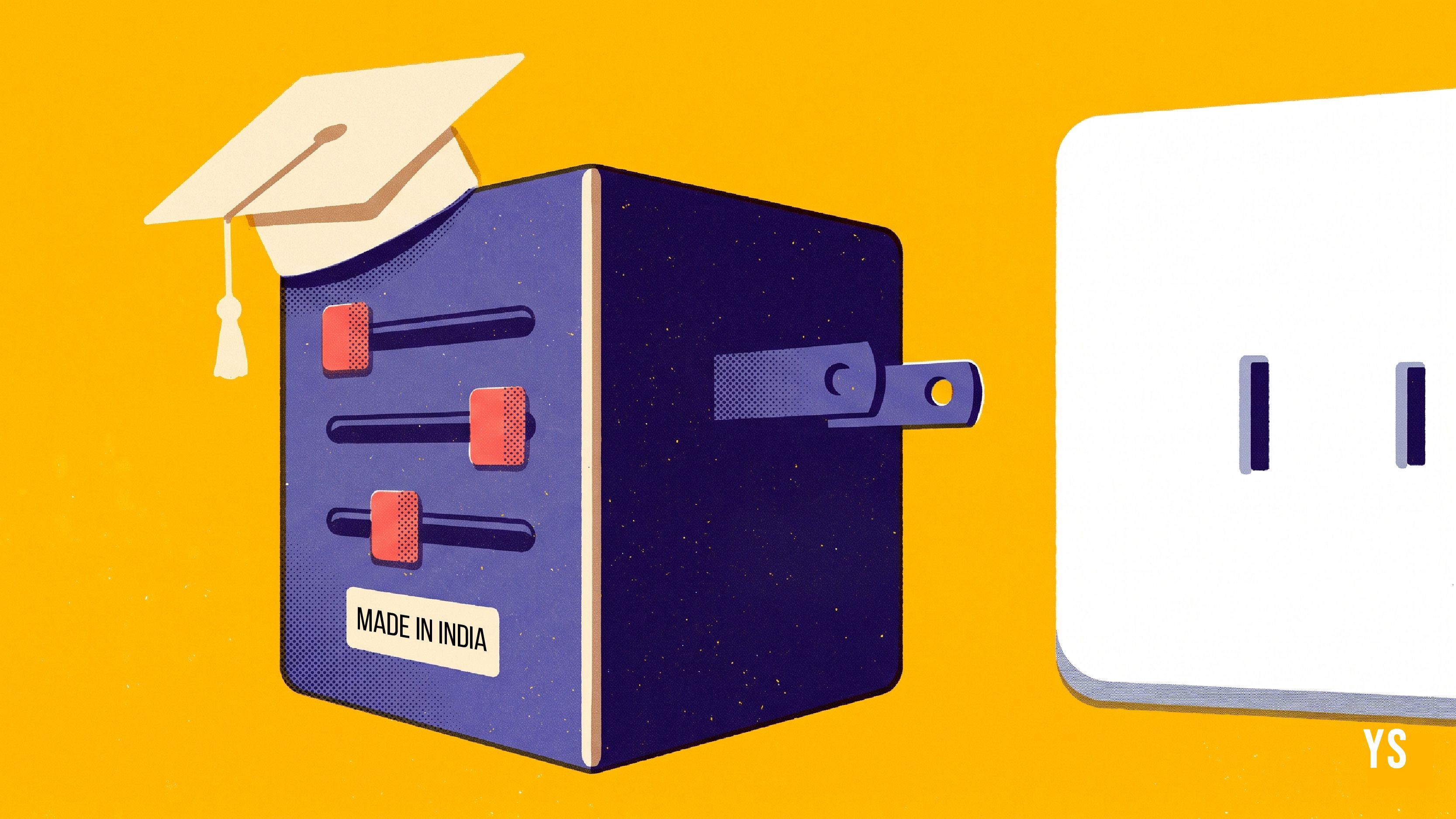
The drivers of economic power have always traditionally been accessing to capital, energy, technology, and markets; but more nations are now running up against that much more difficult resource to generate fast talent.
Unlike capital, talent is not something that can be conjured out of thin air overnight, it takes years to educate, train, and ready the workforce. But at the same time that world economies are in need of more workers, the number of people available is declining.
Healthcare offers one of the most transparent indicators of this situation. The World Health Organization (WHO) estimates a shortfall of 11. 1 million health and care professionals worldwide by 2030. Other sectors including manufacturing logistics hospitality, construction, and trades are experiencing similar pressures. Workforce numbers in many advanced countries are declining even as the need for core functions increases. There are declining numbers of people undertaking physically demanding jobs, leaving serious structural deficits difficult to address solely through large-scale migration.
What's left unsaid is huge: skills shortages are no longer an employment issue. They are a drag on economic growth. Countries are free to scale up investments in infrastructure, industrial capacity and technological advances, if they lack the people to run them, where is the growth?
Talent partnerships reshape economic diplomacy
Demographic decline is prompting governments to reconsider avenues for future growth. One-third of the EU population will be over 65 by the year 2050 and countries, including Japan and Germany, are already experiencing dire skill shortages within care and the healthcare sector.
Their answer has gone further than simply immigration reform. Germany's Skilled Immigration Act, Japan's increases of avenues for foreign workers and the EU's Talent Partnerships are part of a bigger change: policy makers are now starting to see "talent as a strategic asset".
These agreements are increasingly targeted on preparing the work force, recognising qualifications and moving workers, not only on visas. As countries used to compete for market access, energy, and supply chains, they are now forming partnerships to enjoy access to skilled people.
That may be one of the biggest changes to economic diplomacy in the coming decade.
India can become a global hub for workforce readiness
India’s opportunity should not be framed as the export of labour. It lies in becoming a trusted global centre for workforce readiness.
India’s domestic healthcare requirements must remain central to this approach. Responsible mobility should generate additional training capacity rather than draw indiscriminately from areas that already.
Encouragingly, this shift is already visible in policy. India plans to establish 30 Skill India International Centres focused on preparing individuals for overseas employment, while NSDC has certified over 22,455 candidates for international mobility over the past three years. The 2026 International Mobility Framework released by NITI Aayog further signals a shift in thinking, calling for greater state participation in global workforce mobility. Collectively, this suggests a larger shift where mobility of the workforce is a national asset helping create stronger economic partnerships, talent corridors, and help make India a trusted partner for the global workforce.
Technology must build trusted talent corridors
As opposed to taking over the role of educators, AI technology can assist in individualised learning, language training, workplace simulations, and competency evaluation.
Technology may minimise the information discrepancies, which have traditionally plagued international recruiting efforts. Employers require assurance that the credentials and experience are legitimate, while applicants require assurance about the legitimacy of the offer itself, along with its costs and conditions of employment.
This is increasingly becoming a competitive differentiator. ASEAN chases digital recognition of qualifications and credentials to enable smoother cross-border mobility.
For India, the opportunity is to make workforce readiness portable, verifiable and trusted. Technology can become the infrastructure that allows Indian professionals to prove their preparedness across markets, reducing friction for both employers and destination countries.
Though India's demographic weight is not the only one in an increasingly crowded field of developing countries, that invested years in creating structured talent corridors with host countries. Globally, over 8,000 nurses from Germany's Triple Win programme through government to government-built recruitment and training setups, while Japan's long standing health mobility corridors with Indonesia, the Philippines and Vietnam span language training, credentialing, and governance.
The real competition, therefore, is not for vacancies. It is for trust. Workforce shortages as a strategic challenge for ageing economies creates diplomacy where workforce readiness determines which nations become indispensable partners in supporting global growth.
(Mayank Kumar is the Co-founder & CEO of BorderPlus)
(Disclaimer: The views and opinions expressed in this article are those of the author and do not necessarily reflect the views of YourStory.)
This content is published by YourStory and has not been created or edited by Hello Headlines. View original