‘Cope harder’: Vaishnaw defends India's iPhone PLI scheme
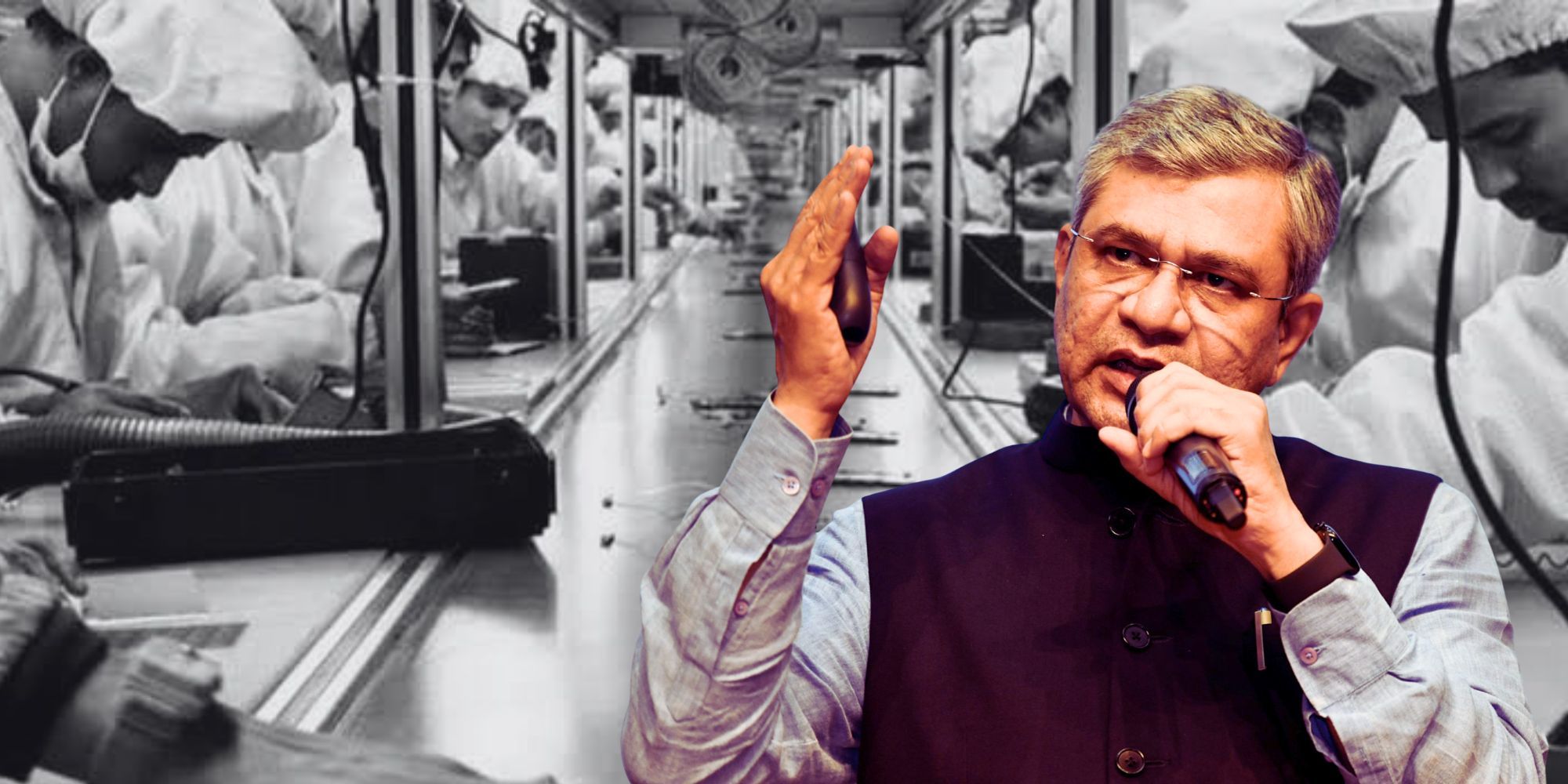
Assembling iPhones makes great headlines for India. Owning the supply chain is where the real power lies.
Apple assembled around 55 million iPhones in India in 2025, a 53% increase from 36 million units in 2024. The country now accounts for about a quarter of Apple's global iPhone output, according to a Bloomberg report.
The growth has strengthened India's position as an alternative manufacturing base to China.
While skeptics question whether snapping together foreign components delivers true high-tech independence, the government points to ₹3.25 lakh crore in tax collections and 12 lakh new jobs as proof that the PLI scheme is already paying off handsomely.
Vaishnaw counters criticism with tax and employment figures
The debate intensified after a Bloomberg Opinion video questioned whether India should replicate China's manufacturing model. It highlighted India's dependence on imported components and the cost of government subsidies supporting phone production.
Union Electronics and IT Minister Ashwini Vaishnaw responded on X on October 27, defending the government's Production Linked Incentive (PLI) scheme for mobile manufacturing.
According to the figures he shared, the government had paid Rs 19,000 crore in incentives, while direct tax collections reached Rs 25,000 crore. The sector had also generated Rs 3 lakh crore in Goods and Services Tax (GST) collections.
Mobile PLI stats as follows:
— Ashwini Vaishnaw (@AshwiniVaishnaw) October 27, 2026
Government incentive paid: Rs 19,000 Cr.
Direct tax collected: Rs 25,000 Cr.
GST collected: Rs 3,00,000 Cr.
Electronics manufacturing employs 25 Lakh people; mobile manufacturing alone employs 12 Lakh.
Cope harder!! https://t.co/G3bDU6ldGg
Vaishnaw also cited employment figures, saying electronics manufacturing supported 25 lakh jobs, including 12 lakh in mobile phone manufacturing.
He ended his post with the pointed remark, “Cope harder!!” The figures form the government's case for continuing to support domestic manufacturing. However, tax collections and job creation are only part of the discussion.
India's iPhone growth comes with a supply chain challenge
India's expanding role in Apple's manufacturing network is a significant development. In 2025, the country assembled around 55 million iPhones, up from 36 million in 2024.
Apple also began assembling all variants of its iPhone 17 line-up in India, including the Pro and Pro Max models, according to The Times of India.
Yet assembling a finished product is different from manufacturing all its components locally. India continues to depend on imports for several critical parts, including processors, memory chips, displays, camera lenses and batteries.
This matters because the economic value generated by manufacturing depends partly on how much of the supply chain operates within the country. Greater domestic production of components could help Indian suppliers capture more value while reducing reliance on overseas manufacturers.
The next test is building more of the iPhone in India
The government's manufacturing push now faces a more demanding test: turning higher production volumes into a deeper domestic electronics ecosystem.
That means expanding local component manufacturing, bringing more suppliers into the country and strengthening research and design capabilities. These steps could help India progress beyond final assembly and establish a more substantial presence in global electronics supply chains.
India's iPhone production growth demonstrates that the country can attract large-scale manufacturing. Whether that translates into lasting economic gains will depend on its ability to build more of the technology and supply chain behind each device.
This content is published by YourStory and has not been created or edited by Hello Headlines. View original