Bedwetting In Children: Causes, Warning Signs And When To Consult A Doctor
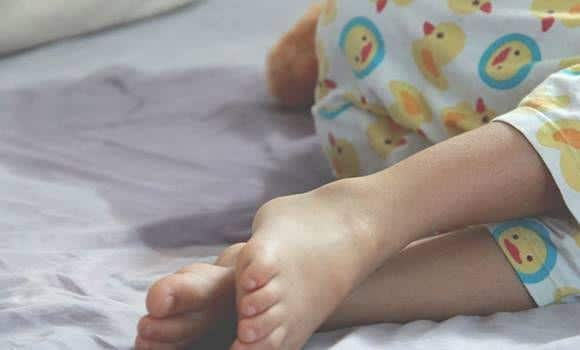
Bedwetting is a common concern among children, and some may continue to wet the bed even as they grow older. While parents may feel worried or frustrated, it is important to understand the possible reasons behind the condition rather than scolding or embarrassing the child.
Medically known as nocturnal enuresis, bedwetting can occur when a child's body produces excess urine at night or the bladder is not yet fully developed to hold urine throughout the night. In some cases, children may not wake up when their bladder is full, resulting in bedwetting during sleep.
What Causes Bedwetting In Children?
Several factors can contribute to bedwetting in children, including hormonal changes, deep sleep, constipation and emotional stress. Understanding these causes can help parents identify when the child may need medical attention.
ALSO READ | Doc Talk | Diabetes Warning Signs: 5 Foot Symptoms You Should Never Ignore
Hormonal Imbalance And Deep Sleep
The body produces a hormone at night that helps reduce urine production during sleep. In some children, lower levels of this hormone may lead to increased urine production at night, making it difficult to keep the bladder empty until morning.
Deep sleep can also play a role. Some children do not wake up even when their bladder is full, which can result in bedwetting. Genetics may also be a factor, as children whose parents experienced bedwetting during childhood may be more likely to experience it themselves.
Constipation And Stress Can Also Contribute
Constipation is another possible cause of bedwetting. When stool accumulates in the intestines, it can put pressure on the bladder, making it harder for children to control urination.
Emotional stress may also trigger the problem or cause it to return after a period of dry nights. Changes such as moving to a new school, major family changes or other stressful experiences can sometimes contribute to bedwetting.
ALSO READ | What Do Israelis Eat To Live Longer? 5 Food Habits Linked To Healthy Living
When Should Parents Consult A Doctor?
Parents should consider consulting a doctor if a child continues to wet the bed regularly after the age of five. Medical advice is particularly important if a child who had remained dry at night for several months suddenly starts wetting the bed again.
Other symptoms that require medical attention include:
-
Pain or discomfort while urinating.
-
Excessive thirst.
-
Frequent urination during the day.
These symptoms may indicate an underlying issue that requires evaluation. A doctor can assess the child's symptoms and recommend appropriate treatment, if necessary. Parents should avoid punishing or shaming children for bedwetting, as it is not necessarily something they can control. A supportive approach and timely medical advice can help address the problem while protecting the child's confidence and emotional well-being.
[Disclaimer: The information provided in the article is intended for general informational purposes only. It is not a substitute for professional medical advice, diagnosis, or treatment. Always seek the advice of your physician or other qualified healthcare provider with any questions you may have regarding a medical condition.]
This content is published by ABP Live - Lifestyle and has not been created or edited by Hello Headlines. View original