Doc Talk | Wounds Taking Too Long To Heal? 5 Health Factors That Could Be Slowing Your Recovery
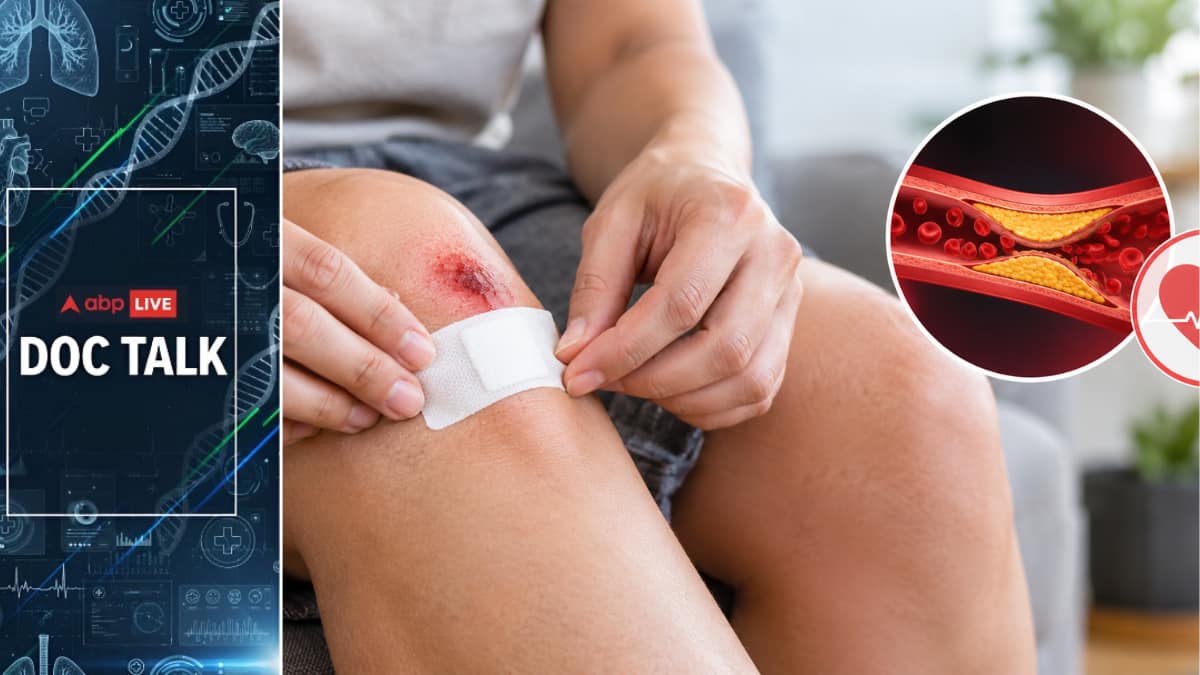
Wound healing is a natural process, but recovery time varies from person to person. While minor cuts and injuries generally heal within days or weeks, some wounds may take considerably longer. One often-overlooked factor is cardiovascular health. Healthy blood circulation is essential for delivering oxygen and nutrients to damaged tissues, allowing the body to repair itself effectively.
How Poor Blood Circulation Delays Wound Healing
Poor circulation can significantly delay wound healing. When blood flow to a particular area is reduced, the injured tissue may not receive the oxygen and nutrients it needs to recover. Conditions such as peripheral artery disease (PAD), in which arteries supplying blood to the limbs become narrowed, can affect healing, particularly in the feet and lower legs. People with existing cardiovascular conditions should pay close attention to wounds that show little or no improvement.
Diabetes is another important factor. Persistently high blood sugar levels can damage blood vessels and nerves, impairing circulation and reducing sensation. As a result, a person may not notice a minor cut, blister, or foot ulcer until it becomes more serious. When diabetes coexists with cardiovascular disease, the risk of delayed healing and related complications can increase.
ALSO READ | Doc Talk | Diabetes Warning Signs: 5 Foot Symptoms You Should Never Ignore
Lifestyle Habits And Nutrition Affect Recovery
Lifestyle habits and nutritional deficiencies can also affect recovery. Smoking constricts blood vessels and reduces oxygen delivery to tissues, slowing the healing process. Poor nutrition, particularly inadequate protein intake and deficiencies in essential vitamins and minerals, can interfere with tissue repair. Increasing age, repeated pressure on the affected area, and wound infections may further delay recovery.
ALSO READ | Doc Talk | 4 Eye Diseases That Can Progress Without Symptoms
Warning Signs Of Delayed Wound Healing
It is important not to ignore wounds that remain unhealed, become increasingly painful, or develop redness, swelling, discharge, or an unpleasant smell. These may be signs of infection or an underlying circulation problem. Cold feet, changes in skin colour and pain while walking can also indicate reduced blood flow and warrant medical evaluation. People with diabetes or known vascular disease should be especially vigilant about injuries to their feet and lower legs.
Maintaining healthy blood pressure and blood sugar levels, avoiding smoking, eating a balanced diet, and staying physically active can support cardiovascular health and circulation. Those with existing circulation problems should inspect their feet and legs regularly and seek medical advice promptly if they notice a wound that is not healing.
Delayed wound healing should not always be dismissed as a minor skin problem. In some cases, it may point to an underlying issue with blood circulation or general health. Early assessment and appropriate treatment can help identify the cause, prevent complications, and improve recovery.
This content is published by ABP Live - Lifestyle and has not been created or edited by Hello Headlines. View original