Pet First | Do Female Cats Get Periods? Know The Signs Of Their Heat Cycle
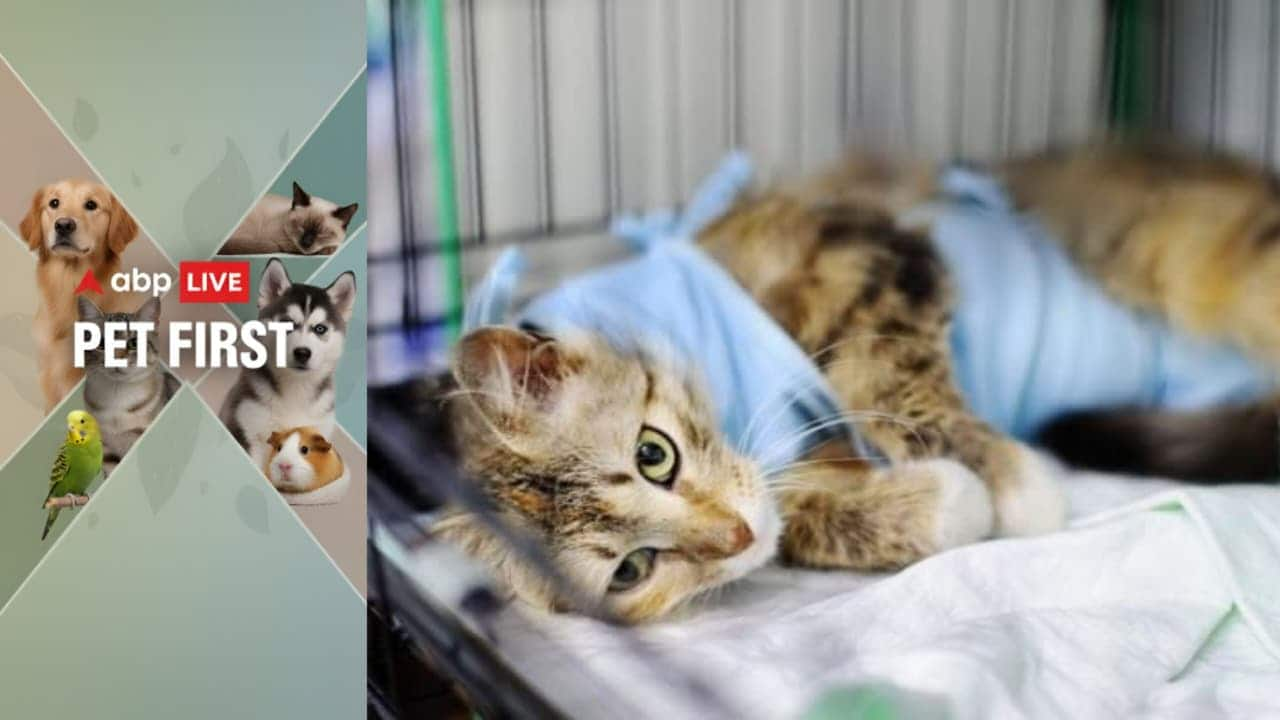
Cats have a reproductive cycle that differs from that of humans, and female cats do not experience menstrual periods in the same way. Instead, they go through a phase called oestrus, commonly known as being in heat, during which hormonal changes make them receptive to mating.
Understanding this cycle can help pet parents recognise changes in their cat's behaviour, identify potential health concerns and make informed decisions about spaying.
Do Female Cats Get Periods?
No, female cats do not have menstrual periods like humans. In humans, menstruation involves the shedding of the uterine lining when pregnancy does not occur. Cats have a different reproductive process and generally do not shed the uterine lining in the same way.
Female cats are known as induced ovulators, which means they typically release eggs in response to mating-related stimulation. During the heat cycle, hormonal changes prepare them for reproduction, but visible menstrual bleeding is not a normal feature of this phase.
Therefore, if a pet parent notices blood around their cat's genital area, in its urine or in its stool, it should not automatically be attributed to a period. Such symptoms may indicate an underlying health problem and warrant veterinary attention.
ALSO READ | 5 Easy Tricks To Keep Pigeons Away From Your Balcony Without Harming Them
What Happens When A Cat Is In Heat?
When a female cat enters heat, hormonal changes can lead to noticeable behavioural differences. These behaviours are associated with the cat's reproductive cycle and its instinct to attract a mate.
Common signs of a cat in heat include:
-
Increased vocalisation: The cat may meow, yowl or cry more frequently than usual.
-
Rolling on the floor: She may repeatedly roll around or rub herself against objects.
-
Increased affection: Some cats become unusually affectionate and seek more attention from their pet parents.
-
Raised hindquarters: A cat may lift her rear end and move her tail to one side when touched near the back.
-
Restlessness: She may pace, appear unsettled or try to get outdoors in search of a mate.
-
Increased scent marking: Cats may rub against objects or leave scent signals to communicate with other cats.
These signs can vary from one cat to another. Recognising them can help pet parents understand whether their cat may be in heat.
At What Age Do Cats First Go Into Heat?
Female cats can experience their first heat cycle at around four months of age, although the timing varies depending on factors such as breed, health and environmental conditions.
Pet parents should be aware that a cat can become pregnant during an early heat cycle. Keeping an unspayed female cat indoors and away from unneutered males can help prevent an unplanned pregnancy.
Consulting a veterinarian before the first heat cycle can also help pet parents understand the appropriate timing for spaying.
ALSO READ | Pet First | Arthritis In Cats: Warning Signs, Risk Factors And Ways To Ease Joint Pain
How Often Do Cats Go Into Heat?
Unspayed female cats can go into heat repeatedly, particularly during the longer-day seasons of the year. The cycle may recur approximately every two to three weeks if the cat does not mate or become pregnant, although the frequency and duration can vary.
In some cats, repeated cycles may make it seem as though they are almost constantly in heat during the breeding season. This can involve frequent vocalisation, restlessness and repeated attempts to get outdoors.
Spaying prevents future heat cycles and helps avoid unwanted pregnancies.
Should You Spay Your Female Cat?
Spaying is a surgical procedure that prevents a female cat from becoming pregnant. Veterinarians often recommend discussing the procedure before the cat's first heat cycle, with many cats suitable for spaying at around four to five months of age, depending on their health and the veterinarian's advice.
Spaying offers several benefits, including preventing unwanted litters and eliminating heat-related behaviours. Spaying before the first heat cycle can also significantly reduce the risk of mammary cancer.
Pet parents should consult a veterinarian to determine the most appropriate timing for their cat based on its age, health and individual needs.
When Should You Take Your Cat To A Vet?
Although behavioural changes are common during heat, bleeding is not a typical sign of a normal feline heat cycle.
Pet parents should contact a veterinarian if they notice blood around the genital area, blood in the urine or stool, unusual discharge, difficulty urinating, pain, lethargy or a sudden change in appetite. Difficulty urinating, particularly when a cat repeatedly strains without passing urine, requires urgent veterinary attention.
Recognising the difference between normal reproductive behaviour and possible signs of illness can help pet parents seek timely care and protect their cat's health.
[Disclaimer: The information provided in this article is intended for general informational purposes only. It is not a substitute for professional veterinary advice, diagnosis, or treatment. Always consult a qualified veterinarian regarding your pet’s health, diet, or any medical concerns.]
This content is published by ABP Live - Lifestyle and has not been created or edited by Hello Headlines. View original