DPDP Act safeguards media freedom, says Ashwini Vaishnaw
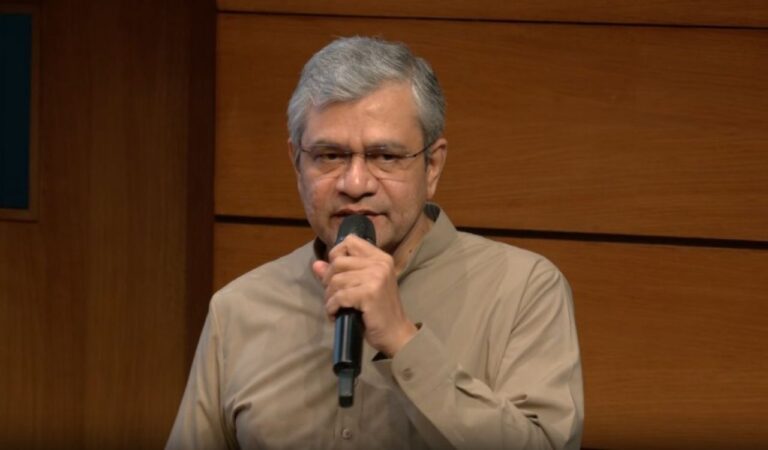
New Delhi:Union Information and Broadcasting Minister Ashwini Vaishnaw on Wednesday said the Digital Personal Data Protection (DPDP) Act, 2023, safeguards journalistic freedom and contains no provision that could undermine the media’s ability to report freely.
His remarks came after the Digital News Publishers Association (DNPA) challenged the law in the Supreme Court, arguing that the absence of a specific exemption for journalism could hamper news gathering and weaken citizens’ right to information.
“There is not even an intention to affect freedom. The privacy law absolutely maintains freedom. It has been enacted as a consequence of the Supreme Court judgment that recognised privacy as a fundamental right,” Vaishnaw said.
The Minister said the legislation was framed on the basis of the Supreme Court’s ruling on privacy and underwent extensive public consultation.
“The consultation process continued for a month and the industry was part of it. Nowhere does the law infringe upon journalistic freedom,” he said.
Rejecting concerns raised by media organisations, Vaishnaw clarified that the law does not require journalists to seek permission from individuals before reporting on them, nor does it mandate the disclosure of news sources.
“There is no provision requiring a reporter to take clearance from a person who is the subject of a story. There is also no clause that compels disclosure of the source of a story,” he said.
On Tuesday, the Supreme Court sought the Centre’s response to a petition filed by the DNPA, which represents 21 leading news organisations. The association has argued that the absence of a specific exemption for journalistic activities under the law could adversely affect investigative reporting and public-interest journalism.
The DPDP Act, passed by Parliament in August 2023, is India’s first comprehensive law governing the protection of digital personal data. It permits the processing of personal data with individuals’ consent or under certain “legitimate uses” outlined in Section 7 of the Act.
This content is published by Telangana Today and has not been created or edited by Hello Headlines. View original