From Bootstrapped Beginnings to ₹150 Crore Revenue: Abhishek Rungta’s Journey With INT.
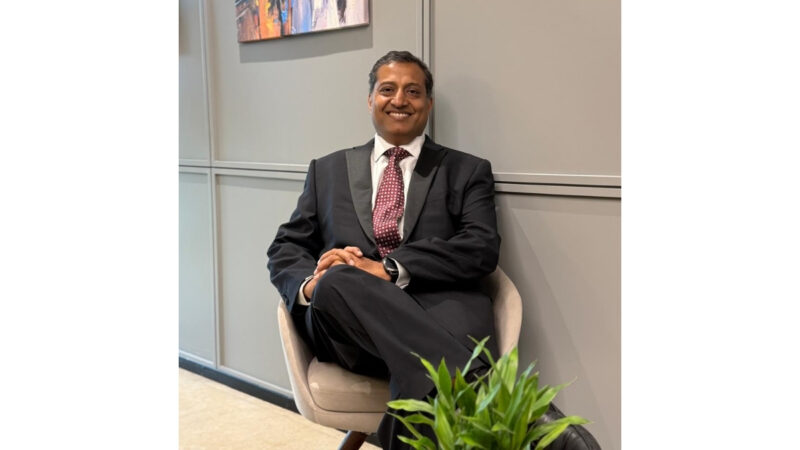
Kolkata (West Bengal): In 1997, when India’s technology industry was still taking shape, Abhishek Rungta started a small web services venture in Kolkata with an initial investment of just ₹50. Nearly three decades later, that modest beginning has grown into Indus Net Technologies Ltd. (INT.), a technology and digital consulting company generating ₹150 crore in annual revenue. The journey reflects the evolution of an entrepreneur who built a business from the ground up, navigating changing market conditions, emerging technologies and the challenges of sustaining growth over 29 years.
As Founder and CEO, Rungta has guided INT. through multiple phases of technological change, from the early internet era to enterprise applications, cloud computing and artificial intelligence. While the company’s offerings have evolved significantly, its growth story remains rooted in customer relationships, disciplined execution and the ability to recognise when established business models need to change.
Building a Business With ₹50 and an Entrepreneurial Ambition
When Rungta established INT. in Kolkata, India’s technology ecosystem offered fewer resources and support systems for emerging entrepreneurs than it does today. Access to funding, established business networks and digital infrastructure was limited, making it particularly challenging for small technology ventures to build credibility and compete for customers.
INT. began as a bootstrapped business offering web-related services. INT. began with website design and related internet services. An early opportunity in affordable web hosting subsequently helped the company establish a stronger commercial foundation and expand its customer base. These services provided an entry point into an industry that was beginning to recognise the commercial potential of the internet. With limited starting capital, building customer relationships and delivering consistently became important foundations for the company’s development.
The early years also shaped Rungta’s approach to entrepreneurship. Rather than treating technology as an end in itself, the focus was on identifying customer requirements and building services around them. As demand evolved, INT. gradually expanded beyond its original offerings, developing the capabilities needed to undertake more complex technology projects.
From Web Services to a ₹150 Crore Technology Enterprise
One of the defining aspects of INT.‘s journey has been its ability to evolve alongside the technology industry. What began as a web services venture eventually developed into a business serving enterprises across banking, financial services, insurance, healthcare, retail and other sectors. Today, the company has reached ₹150 crore in annual revenue, marking a significant milestone in its transformation from a small Kolkata-based operation into an established technology enterprise.
The expansion was accompanied by a shift in the nature of the company’s work. As organisations moved from establishing an online presence to digitising operations and customer experiences, their technology requirements became more complex. INT. responded by broadening its capabilities across enterprise engineering, data engineering, cloud technologies, cybersecurity, artificial intelligence and digital experiences.
This evolution reflects an important aspect of building a sustainable technology business. Growth cannot depend entirely on the services that initially establish a company. As markets mature and customer expectations change, organisations must be willing to rethink their offerings, invest in new capabilities and adapt their delivery models without compromising the quality of execution.
Why Bootstrapping and Profitability Matter in Long-Term Growth
INT.’s entrepreneurial story stands apart from the rapid funding and valuation-driven narratives that frequently dominate discussions around startups. Beginning with just ₹50, the company developed through customer engagements, business reinvestment and the gradual expansion of its capabilities. Its journey demonstrates how a business can establish a meaningful market presence without beginning with substantial financial backing.
For Rungta, profitability and disciplined execution have remained important elements of building a resilient organisation. Sustaining a technology business through successive industry cycles requires more than generating demand for new services. It involves managing resources carefully, developing capable teams, maintaining customer trust and ensuring that growth does not come at the expense of operational stability.
The company’s 29-year journey also highlights the importance of consistency. Technology markets can change rapidly, with new platforms and business models reshaping established practices. Businesses that survive these transitions must balance investment in innovation with a clear understanding of their commercial fundamentals. INT.’s progression from its bootstrapped beginnings to its current revenue scale illustrates the role of adaptability and long-term thinking in that process.
Reinventing the Business Through Multiple Technology Cycles
Over nearly three decades, INT. has witnessed several major changes in how enterprises use technology. The early demand for websites and internet services gradually gave way to enterprise applications, mobile experiences, cloud infrastructure and increasingly sophisticated digital platforms. Each transition required technology companies to reassess their capabilities and understand where the next phase of customer demand would emerge.
Artificial intelligence represents the latest significant transformation. Enterprises are increasingly exploring how AI can improve operational efficiency, support decision-making and enhance customer experiences. However, meaningful adoption requires more than deploying individual models or automation tools. Organisations must also address fragmented information, legacy systems, integration challenges and cybersecurity requirements.
INT.’s current full-stack approach brings together these interconnected capabilities. Its work across AI, data, enterprise engineering, cloud and digital experience reflects the growing need for technology solutions that operate across business functions rather than within isolated systems. For Rungta, the emphasis remains on connecting technology investments with measurable outcomes, ensuring that innovation contributes to practical business improvements.
Beyond INT.: Supporting the Next Generation of Entrepreneurs
Alongside building INT., Rungta has also participated in India’s entrepreneurial ecosystem as an angel investor and mentor. His investments in ventures including CropIn and Agnikul reflect his interest in emerging businesses and technology-led innovation. His experience of building a company from limited resources also informs his perspective on the importance of first-principles thinking, financial discipline and long-term business sustainability.
His journey offers a relevant example for entrepreneurs operating outside India’s traditional technology hubs. Starting a business in Kolkata in 1997 presented different challenges from those faced by founders entering today’s more developed startup ecosystem. Yet INT.’s growth demonstrates that a company’s origins need not determine the scale of its eventual ambitions.
A 29-Year Journey Built on Adaptability and Execution
From an initial investment of ₹50 to ₹150 crore in annual revenue, INT.’s journey represents nearly three decades of entrepreneurship, business evolution and sustained effort. The company has moved far beyond its original web services offering while retaining its focus on customer value, technology expertise and disciplined execution.
As AI introduces another period of significant change for the technology industry, INT.’s history provides a reminder that long-term business success depends on more than identifying the next major innovation. It requires the ability to adapt, build strong teams, maintain financial discipline and continue creating value as customer needs evolve.
For Abhishek Rungta, the ₹150 crore milestone is not simply a measure of how far INT. has grown. It represents the outcome of building a business from modest beginnings and sustaining its relevance through 29 years of technological transformation.
This content is published by Telangana Today and has not been created or edited by Hello Headlines. View original