Pet First | Is Your Cat’s Eye Turning Cloudy? 6 Warning Signs Owners Should Never Ignore
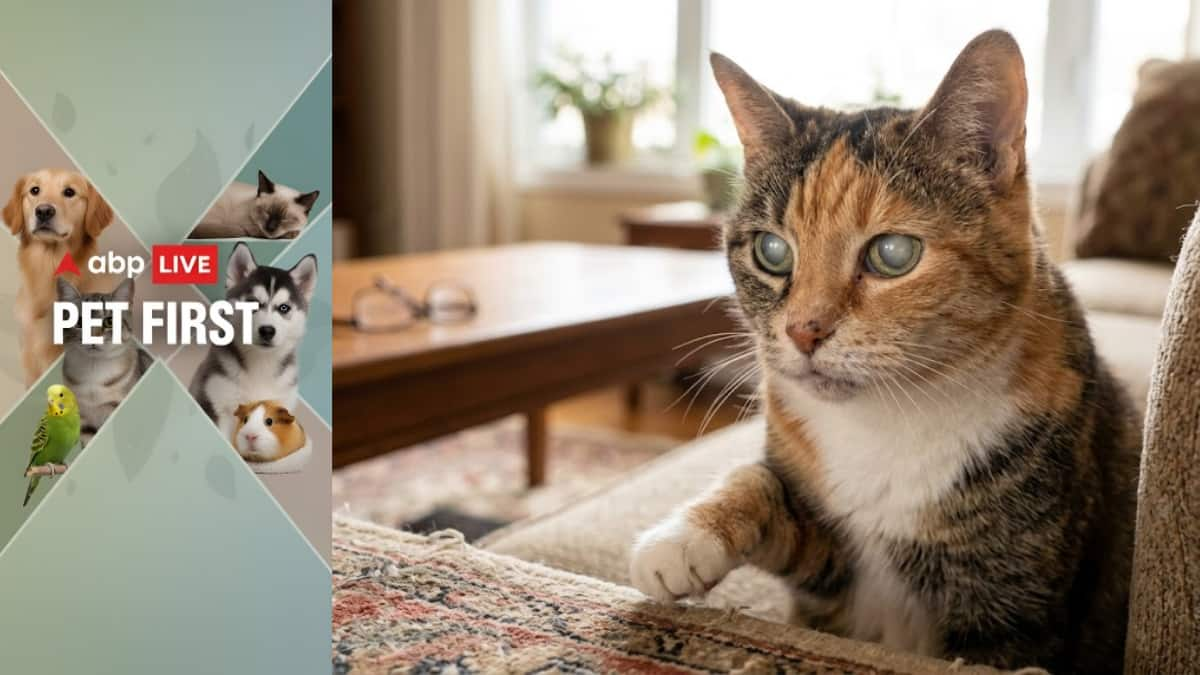
Have you noticed your cat hesitating before jumping onto furniture, moving cautiously around the house, or developing a cloudy appearance in the eyes? These changes may indicate cataracts, a condition that affects the eye's lens and can interfere with vision. Older cats, particularly those above 10 years, are more likely to develop cataracts, although younger cats can also be affected. While the condition does not always lead to complete blindness, it should not be ignored. Understanding the possible causes, warning signs, and treatment options can help cat owners seek veterinary care early and protect their pets' eyesight.
Cat Cataracts: Symptoms And Causes
Cataracts develop when the lens inside a cat's eye becomes cloudy, preventing light from reaching the retina. They may begin as small patches and remain unchanged, or gradually become denser and affect vision. A cat may struggle to judge distances, hesitate before jumping, or appear less confident in unfamiliar surroundings.
Cloudiness does not always mean cataracts. Nuclear sclerosis, an age-related change that commonly affects both eyes, can also make the lens appear hazy but generally has little impact on vision. A veterinarian can distinguish between the two during an eye examination.
ALSO READ | Pet First | Arthritis In Cats: Warning Signs, Risk Factors And Ways To Ease Joint Pain
According to veterinary guidance, cataracts may be linked to several factors:
- Age and genetics: Most cases occur in older cats, although certain breeds may develop cataracts at a younger age. Himalayan, Birman, Persian, Bengal, Russian Blue, and British Shorthair cats may have a genetic predisposition.
- Eye inflammation: Conditions that cause inflammation, including some infections, can damage the lens.
- Injury: Trauma to the head or eye can contribute to cataract formation.
- Underlying illness: A veterinarian may investigate other health problems that could be affecting the eyes.
If your cat develops cloudy eyes or changes in behaviour, arrange a veterinary examination rather than assuming the cause is age-related.
ALSO READ | Pet First | Do Female Cats Get Periods? Know The Signs Of Their Heat Cycle
Cat Cataracts Treatment: Can Surgery Restore Vision?
Treatment depends on how severely the cataract affects vision and whether other eye conditions are present. Surgery is the main option for removing a cataract. A veterinary ophthalmologist removes the affected lens and may replace it with an artificial one to improve vision.
Recovery requires careful aftercare. Cats may need to wear a protective cone and receive prescribed eye drops frequently during the initial healing period. The veterinary specialist will explain the medication schedule and follow-up visits.
Not every cat needs surgery. If the cataract affects only one eye and the other eye sees well, a veterinarian may recommend monitoring rather than an operation. Surgery may also be less beneficial when other eye conditions have already damaged vision.
However, untreated cataracts can sometimes lead to complications, including glaucoma. This occurs when pressure builds up inside the eye and can cause permanent damage. A red eye, squinting, or signs of pain require prompt veterinary attention. Sudden changes in vision should also be assessed urgently.
Cat Cataracts Prevention: What Owners Can Do
There is no proven home remedy that reverses cataracts in cats, and age-related or inherited cases cannot always be prevented. However, owners can take steps to support their pets' overall eye health.
- Feed your cat a complete, balanced diet appropriate for its age and health needs.
- Keep your cat indoors or provide a secure outdoor enclosure to reduce the risk of eye injuries.
- Maintain routine veterinary check-ups, particularly for senior cats.
- Seek treatment promptly for eye inflammation, infections, or other illnesses.
- Avoid using human eye drops or home remedies unless a veterinarian specifically recommends them.
Regular checks can help owners notice changes early. If your cat's eyes become cloudy or its behaviour changes, a veterinary examination is the safest way to identify the cause and decide whether treatment is needed. Cataracts do not always mean a cat will lose its sight. With early assessment, appropriate treatment and a safe home environment, many affected cats can continue to enjoy a comfortable life.
This content is published by ABP Live - Lifestyle and has not been created or edited by Hello Headlines. View original