5 entrepreneurial lessons from Giving Up Is Not an Option
Entrepreneurship is rarely a smooth journey. Building a business requires patience, resilience, and the willingness to keep moving forward when things do not go as planned. From facing uncertainty to learning from setbacks, entrepreneurs must develop the mindset to navigate challenges without losing sight of their goals.
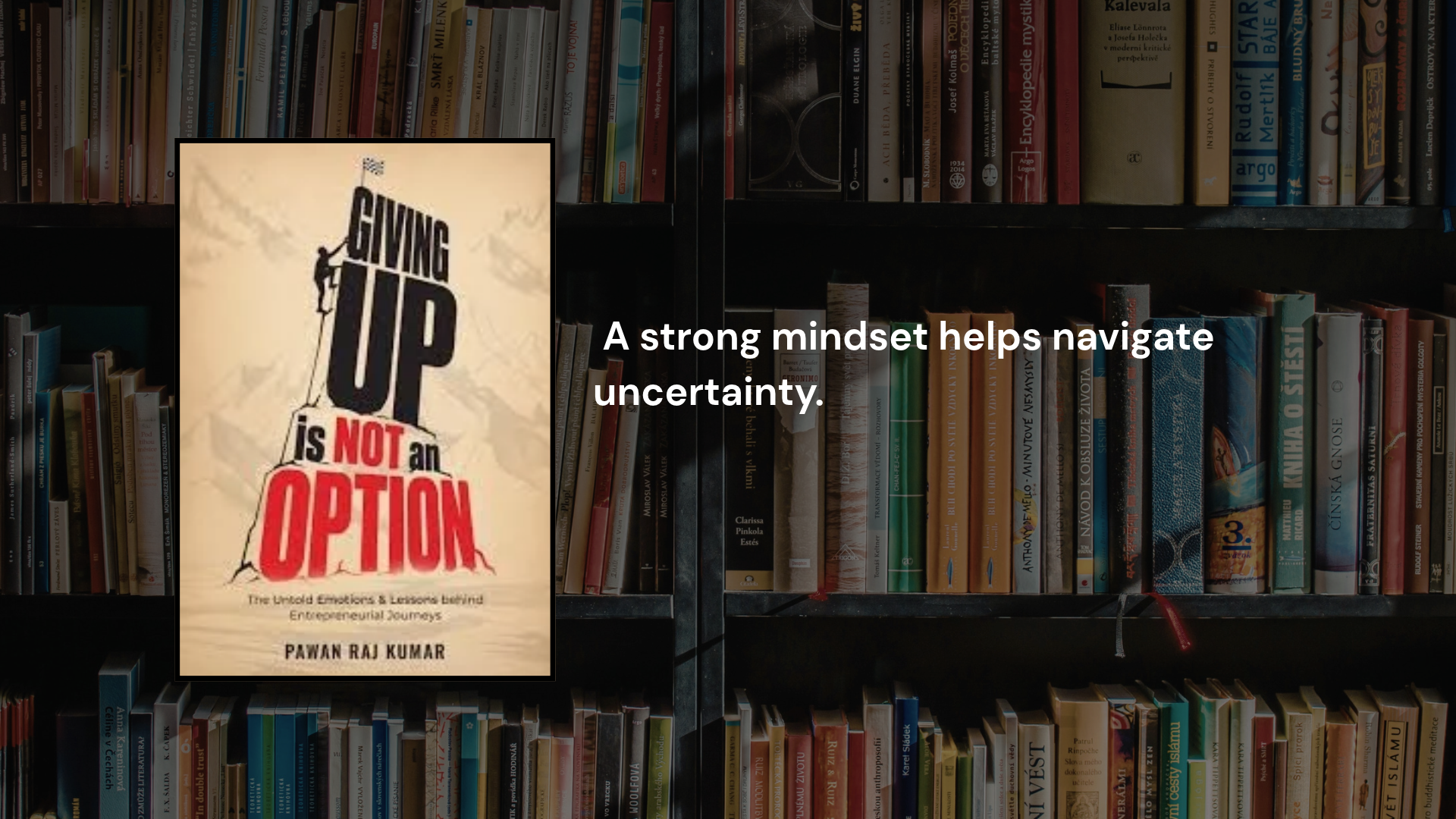
Giving Up Is Not an Option by Pawan Raj Kumar offers an opportunity to reflect on perseverance and the determination required to overcome obstacles.
For aspiring entrepreneurs and business leaders, its central theme serves as a reminder that success often depends on how people respond to difficult circumstances.
5 Entrepreneurial lessons to take away from the book
1. Persistence is essential for success
Building a business takes time, and results do not always arrive when expected. Entrepreneurs may face financial difficulties, struggle to find customers, or experience setbacks that challenge their confidence.
Persistence helps them continue working towards their goals even when progress seems slow. However, perseverance does not mean repeating the same mistakes. It means remaining committed to the larger vision while finding better ways to achieve it.
For entrepreneurs, the lesson is simple: setbacks may slow progress, but they do not have to determine the outcome.
2. Challenges can become learning opportunities
Every business encounters problems, whether it is a failed product launch, a disappointing sales quarter, or an unsuccessful partnership. While these experiences can be discouraging, they can also reveal weaknesses that need attention.
Entrepreneurs who examine their mistakes can identify what went wrong and make more informed decisions in the future.
Instead of treating failure as a permanent defeat, business leaders can approach it as feedback. This mindset encourages experimentation, improves problem-solving skills, and helps businesses become more adaptable.
3. Adaptability matters more than sticking to a plan
A business idea may look promising on paper but face unexpected challenges in the real world. Customer preferences change, competitors introduce new products, and market conditions evolve.
Successful entrepreneurs recognise when their original approach needs to change. They remain committed to their objectives without becoming overly attached to a particular strategy.
Also Read How to build a startup from scratch with limited capital in India
Adaptability allows business owners to respond to changing circumstances, explore new opportunities, and make decisions based on what they learn along the way.
The key is to know when to persevere and when to change direction.
4. A strong mindset helps navigate uncertainty
Entrepreneurs often make decisions without knowing exactly what the future holds. They may have to manage limited resources, deal with rejection, or take responsibility for difficult choices.
A resilient mindset helps them approach these situations with greater clarity. Rather than allowing temporary setbacks to undermine their confidence, they can focus on what remains within their control.
Developing this mindset requires patience, self-awareness, and the ability to separate short-term difficulties from long-term objectives.
For anyone building a business, mental resilience is just as important as technical knowledge and commercial skills.
5. Keep your long-term vision in focus
Entrepreneurs can become discouraged when immediate results do not match their expectations. However, building a sustainable business often requires consistent effort over an extended period.
Keeping a long-term vision in focus helps entrepreneurs make decisions that support lasting growth rather than short-term gains.
This does not mean ignoring poor results or refusing to reconsider an idea. Instead, it means evaluating progress realistically, making necessary adjustments, and continuing to work towards meaningful goals.
A clear vision provides direction during uncertain periods and helps entrepreneurs remember why they started in the first place.
Final thoughts
Entrepreneurship demands more than a promising idea. It requires the determination to face uncertainty, the humility to learn from mistakes, and the flexibility to adapt when circumstances change.
Giving Up Is Not an Option by Pawan Raj Kumar offers a theme worth reflecting on for anyone navigating professional or personal challenges: difficult moments do not automatically signal the end of the journey.
This content is published by YourStory and has not been created or edited by Hello Headlines. View original