Pet First | Cat Eye Infection Treatment: Vet-Recommended Tips For Giving Drops And Ointments
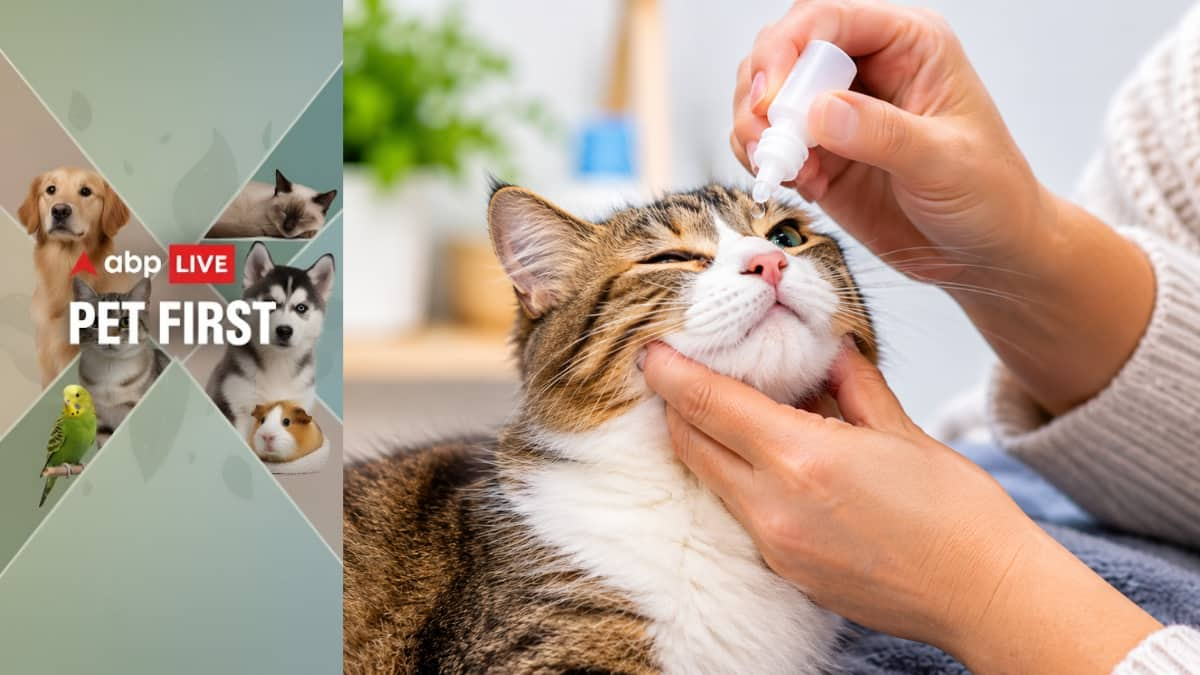
A cat with an eye infection may need prescribed drops, ointments, or oral medicines to recover. However, administering these treatments can be challenging, particularly when a pet squirms, pulls away, or resists having its face touched. Redness, unusual discharge, frequent blinking, and squinting are some signs that a cat may have an eye problem. While some infections occur alongside respiratory illnesses, other conditions can cause similar symptoms and require different treatment. A veterinarian can identify the underlying cause and prescribe suitable medication. Knowing how to administer these medicines correctly can help pet owners follow the treatment plan and avoid accidental injury.
Cat Eye Infection: Symptoms And Treatment
Eye infections can cause discomfort and irritation in cats. According to veterinary guidance published by Daily Paws, common symptoms include:
-
Eye discharge: Clear, yellow, or green fluid around the eyes.
-
Redness and inflammation: The tissue surrounding the eye may appear swollen or irritated.
-
Frequent blinking or squinting: Cats may keep their eyes partly closed because of discomfort.
-
Pawing at the eyes: Repeated rubbing can worsen irritation or cause injury.
Upper respiratory infections are a common cause of eye symptoms, but allergies, corneal injuries, and other eye conditions can produce similar signs.
ALSO READ | Pet First | Cat Under Anaesthesia? Warning Signs, Recovery Tips And Risks Every Pet Parent Should Know
Veterinarians may prescribe topical antibiotics or antivirals, depending on the diagnosis. Examples include gentamicin and oxytetracycline for certain bacterial infections, or idoxuridine for specific viral infections. Oral medicines, such as doxycycline or famciclovir, may be prescribed when appropriate to treat an underlying infection.
Important: Never use human eye medicines or antibiotic ointments on your cat without veterinary advice. Some products can be harmful, and certain eye conditions may worsen with inappropriate treatment.
ALSO READ | Pet First | 5 Ways To Keep Your Dogs And Cats Stress-Free During Diwali Fireworks
How To Give Cats Eye Drops And Ointments
Administering eye medication may be easier with another person gently holding the cat. Choose a calm environment and keep the prescribed medicine within reach before starting.
For eye drops:
-
Approach your cat calmly and gently support its body.
-
Lift its chin slightly so the affected eye faces upwards.
-
Carefully lower the eyelid if needed to expose the eye.
-
Hold the bottle above the eye and squeeze out the prescribed number of drops without touching the eye or surrounding fur with the nozzle.
-
Allow your cat to blink naturally. A small amount of liquid spilling out is normal.
For eye ointments:
-
Gently position your cat with its head supported.
-
Follow your veterinarian's instructions for exposing the eye or lower eyelid.
-
Apply the prescribed amount without letting the tube's tip touch the eye.
-
Allow your cat to blink so the ointment can spread across the eye's surface.
If your cat becomes highly distressed or you cannot administer the medicine safely, stop and ask your veterinary practice for assistance.
Essential Tips For Safe Cat Eye Care
-
Follow the prescribed schedule: Use the medicine for the recommended duration and at the correct frequency.
-
Separate different medicines: Ask your vet about the order of application. Drops are generally administered before ointments, with around five minutes between different eye medications unless instructed otherwise.
-
Clean discharge gently: Use a clean, soft pad moistened with sterile saline or warm water, as advised by your vet. Use a separate pad for each eye.
-
Prevent scratching: If your cat keeps rubbing its face, ask your vet whether an Elizabethan collar is appropriate.
-
Watch for worsening symptoms: Seek prompt veterinary attention if your cat develops significant swelling, severe pain, cloudiness, a visibly injured eye, or sudden vision changes.
Never force medication into a struggling cat's eye, as sudden movement can cause injury. If the eye becomes painful or your cat keeps it closed, contact a veterinarian urgently.
A Short Guide To Better Eye Care
Giving eye medication requires patience, gentle handling, and careful attention to veterinary instructions. Keep the treatment routine consistent, avoid touching the applicator to the eye, and never change or stop prescribed medicines without consulting your vet. If symptoms persist or worsen, arrange a follow-up examination to ensure your cat receives the right care.
This content is published by ABP Live - Lifestyle and has not been created or edited by Hello Headlines. View original