Doc Talk | Fatty Liver Disease Can Affect Non-Drinkers Too: Why Alcohol Is Not The Only Risk Factor
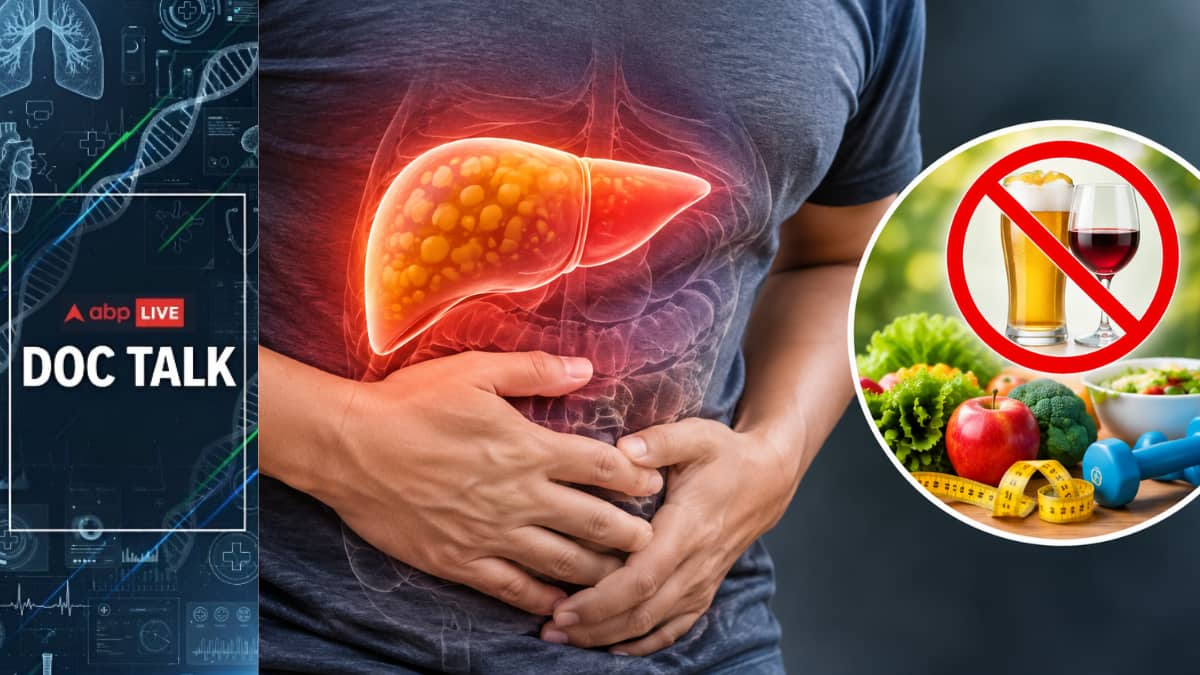
Fatty liver disease is commonly associated with excessive alcohol consumption, leading many people who abstain from alcohol to assume that they are not at risk. However, alcohol is not the only cause of fat accumulation in the liver. Metabolic factors, including insulin resistance, type 2 diabetes, and excess abdominal fat, can also contribute to the condition, even in people who do not drink alcohol. Fat can build up in the liver without consuming alcohol. In fact, many people who have never drunk alcohol, are slender and lead an active lifestyle, can have fatty liver disease. This condition is now referred to as metabolic dysfunction-associated steatotic liver disease (previously known as non-alcoholic fatty liver disease). It results from metabolic problems such as insulin resistance, type 2 diabetes, unhealthy cholesterol levels, and fat accumulation in the abdomen. Therefore, focusing only on alcohol consumption is not enough; diet, physical activity and the way the body processes energy also play a role.
The Rising Burden Of Fatty Liver Disease In India
The scale of the problem deserves attention. A 2025 multicentre Indian study, the Mapping Across Different Indian Populations (MAP) study, found fatty liver in 68.2% of 13,750 adults attending diabetes and endocrine clinics across six geographical zones. This figure should not be interpreted as a national prevalence estimate because the participants were drawn from specialist clinics. Nevertheless, it highlights the substantial burden among people with metabolic risk factors. A separate 2026 report analysing global disease trends also noted a 23.19% rise in India's age-standardised MASLD prevalence between 1990 and 2023.
ALSO READ | Doc Talk | Asthma And Air Pollution: Why You May Breathe Fine By Day But Struggle At Night
Why Abstaining From Alcohol Is Not Enough
Insulin resistance, in which the body's cells do not respond properly to insulin, is a significant contributor to fatty liver disease. The body's inability to regulate blood sugar effectively can cause the liver to store increasing amounts of fat. Consuming too many calories, drinking sugary beverages, eating refined carbohydrates and high-fat foods, as well as leading a sedentary lifestyle, can contribute to this process.
Modern Indian lifestyles can further increase the risk. Long working hours, limited physical activity, irregular meals and the easy availability of calorie-dense foods can contribute to metabolic disorders, regardless of a person's weight. Visceral fat, which accumulates around internal organs, is particularly important because it is linked to insulin resistance.
Another important point is that having a normal weight does not rule out fatty liver disease. Some people develop the condition despite having a normal body mass index, owing to factors such as genetics, body-fat distribution and metabolic health.
ALSO READ | Doc Talk | Delhi Air Pollution: What Happens To Your Lungs When You Work Out Outside?
The Danger Lies In What Goes Unnoticed
Fatty liver disease usually develops without obvious symptoms that are easy to recognise. Some people may experience fatigue or persistent abdominal discomfort, while many feel perfectly well. However, the absence of symptoms does not necessarily mean the liver is healthy.
In some people, fat accumulation progresses to metabolic dysfunction-associated steatohepatitis (MASH), a condition characterised by inflammation and liver cell injury. Persistent damage can lead to fibrosis, or scarring, and eventually cirrhosis. Advanced liver disease can also increase the risk of liver cancer. This progression is not inevitable. Many people with early-stage fatty liver disease can have a better prognosis if they make appropriate lifestyle changes. However, identifying people at risk and screening them before significant scarring develops remains a challenge.
What Changes Do People Need To Make?
The answer does not lie in random testing or extreme dieting. Instead, it involves appropriate screening and greater awareness of metabolic health. People with type 2 diabetes, abdominal obesity, elevated triglyceride levels, multiple metabolic risk factors or certain abnormal liver test results should consult their doctors about a liver assessment. Their risk profile will determine the appropriate tests, which may include blood tests, ultrasound scans, and non-invasive assessments.
Preventive measures should go beyond the belief that avoiding alcohol is enough. Other steps include following a nutritious diet with fewer refined foods and added sugars, exercising regularly, getting adequate sleep, and gradually losing excess weight when necessary. People with diabetes and low HDL cholesterol should also work with their doctors to manage these conditions.
There is no magic detox drink or pill that can replace these efforts. India's response to fatty liver disease should therefore form part of its wider fight against diabetes and cardiovascular diseases. Liver health should not be assessed only when symptoms appear or when someone gives up alcohol. The question is not simply whether a person drinks, but whether their metabolic health is putting their liver at risk. Recognising this distinction can help identify the condition early, prevent complications, and challenge a common misconception.
Disclaimer: The information provided in the article is shared by experts and is intended for general informational purposes only. It is not a substitute for professional medical advice, diagnosis, or treatment. Always seek the advice of your physician or other qualified healthcare provider with any questions you may have regarding a medical condition.This content is published by ABP Live - Health and has not been created or edited by Hello Headlines. View original