Pet First | Feline Calicivirus In Cats: 7 Warning Signs Every Cat Parent Should Watch For
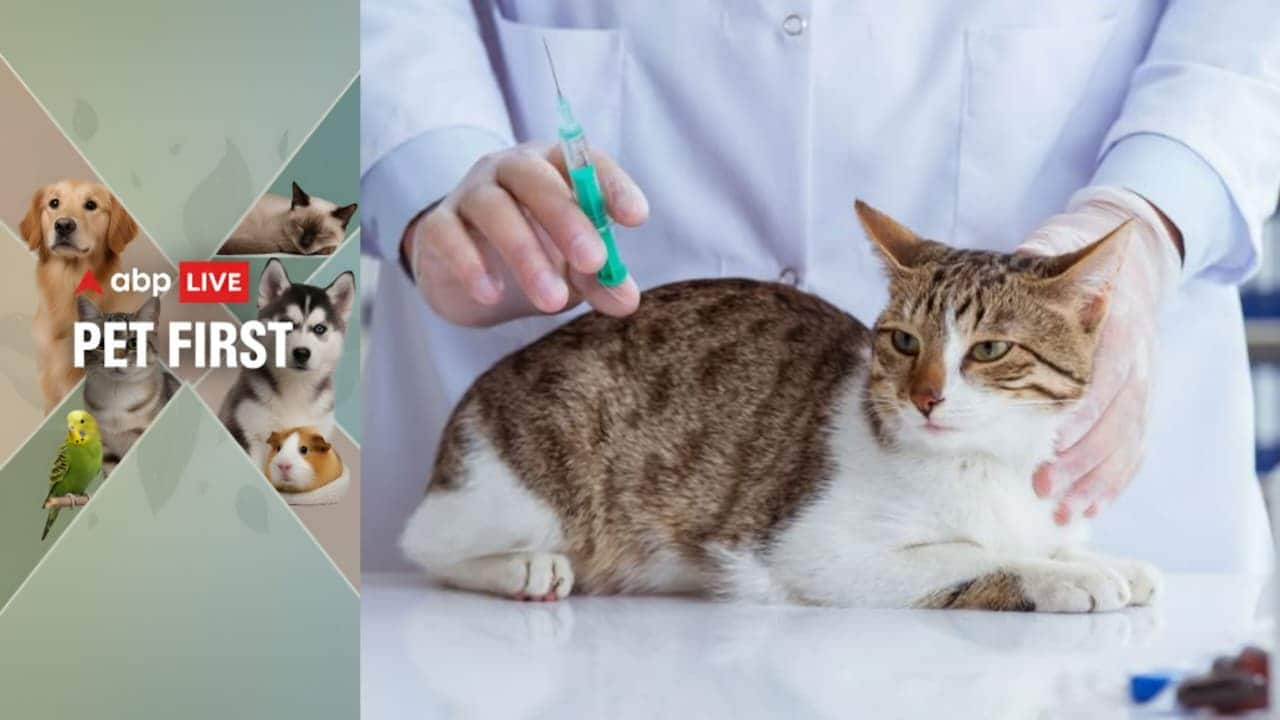
A cat sneezing frequently or refusing to eat may appear to have a common cold, but these symptoms could indicate something more serious. Feline calicivirus (FCV) is a highly contagious viral infection that primarily affects a cat's respiratory system and mouth. While many cats recover with proper supportive care, severe cases can lead to serious complications and may even become life-threatening.
The infection is particularly concerning in kittens, young cats and those living in multi-cat households, shelters or crowded environments. Recognising the early warning signs and seeking timely veterinary attention can help pet parents protect their feline companions.
What Is Feline Calicivirus In Cats?
Feline calicivirus is one of the most common causes of upper respiratory infections in cats. It is a widespread viral infection that can affect cats across the world, regardless of their breed.
Although cats of any age can contract the virus, kittens and young adult cats may experience more severe symptoms. The infection primarily affects the upper respiratory tract and mouth, causing sneezing, nasal discharge and painful ulcers.
In rare cases, the virus can develop into a more aggressive form known as Virulent Systemic Feline Calicivirus (VS-FCV), which can cause severe illness and require hospitalisation.
ALSO READ | Pet First | 5 Possible Reasons Why Your Dog Keeps Shaking Its Head
How Does Feline Calicivirus Spread?
Feline calicivirus is highly contagious and can spread through direct and indirect contact with infected cats.
The virus is commonly transmitted through secretions from an infected cat's eyes, nose and mouth. Cats can contract the infection when they groom or play with infected animals, share food and water bowls, or come into contact with contaminated objects.
It can also spread through airborne particles when an infected cat sneezes or coughs.
Symptoms generally appear between two and 14 days after exposure. Infected cats can spread the virus for approximately two to three weeks, while some may become lifelong carriers and continue shedding the virus intermittently.
Cats living in shelters, multi-cat households and community colonies are at a higher risk. Stress, a weakened immune system and other respiratory infections can also increase their vulnerability.
ALSO READ | Pet First | 5 Ways To Keep Your Dogs And Cats Stress-Free During Diwali Fireworks
Common Symptoms Of Calicivirus In Cats
The symptoms of feline calicivirus primarily affect a cat's respiratory system, eyes and mouth. Pet parents should watch out for the following warning signs:
-
Discharge from the eyes or nose.
-
Frequent sneezing.
-
Redness and swelling around the eyes.
-
Keeping one or both eyes partially closed.
-
Reduced appetite or refusal to eat.
-
Excessive drooling.
-
Bad breath.
-
Painful sores inside the mouth or on the nose.
In some cases, the infection can also affect the joints, causing a condition known as febrile limping syndrome. Cats experiencing this may develop joint pain, fever and difficulty walking.
Mild infections generally last between five and 10 days, while more severe cases can persist for up to six weeks. Some cats may also develop chronic inflammation of the mouth, known as stomatitis, which requires long-term management.
Severe Form Of Calicivirus: What Is VS-FCV?
Although uncommon, feline calicivirus can develop into a highly aggressive form called Virulent Systemic Feline Calicivirus.
This condition can affect multiple organs and cause serious complications. It is particularly concerning during outbreaks in crowded environments where several cats live together.
Symptoms may include:
-
Severe respiratory problems or difficulty breathing.
-
Painful ulcers in the mouth, nose, ears and paw pads.
-
Swelling of the head and limbs.
-
Yellowing of the eyes and skin, known as jaundice.
-
Unusual bruising on the skin.
This severe form can be fatal and requires immediate veterinary attention, hospitalisation and isolation from other cats.
How Is Feline Calicivirus Diagnosed?
Veterinarians usually suspect feline calicivirus when a cat develops respiratory symptoms accompanied by ulcers in the mouth or on the nose.
A physical examination helps identify the characteristic signs of the infection. Vets may also use special stains to check for ulcers on the surface of the eyes.
For confirmation, laboratory testing can be performed using swab samples collected from the inside of the eyelids and the back of the throat.
Cats experiencing fever and difficulty walking may also be evaluated for calicivirus-associated joint problems.
Treatment Of Feline Calicivirus In Cats
There is no specific antiviral cure for feline calicivirus. Treatment mainly focuses on managing symptoms, relieving discomfort and preventing complications.
Depending on the severity of the infection, veterinarians may recommend:
-
Antibiotics: These may be prescribed to manage secondary bacterial infections that can develop alongside the viral infection.
-
Eye and nose care: Regular cleaning can help remove discharge and keep the affected areas comfortable. Medication may also be prescribed for eye infections.
-
Steam therapy: Cats experiencing nasal congestion may benefit from nebulisation or spending 10-15 minutes in a warm, steamy bathroom, if advised by a veterinarian.
-
Fluid support: Cats that are dehydrated may require fluids under the skin or intravenous fluids at a veterinary clinic.
-
Pain management: Medication may be prescribed to relieve painful mouth ulcers and joint discomfort.
-
Nutritional support: Mouth ulcers and nasal congestion can make eating difficult. Strong-smelling wet food, served slightly warm, may encourage cats to eat. Severe cases may require appetite stimulants or temporary feeding tubes.
If a cat refuses food for more than two days, pet parents should seek immediate veterinary attention rather than waiting for the symptoms to improve.
Cats affected by the severe systemic form may require hospitalisation and intensive supportive care.
How Can Pet Parents Prevent Feline Calicivirus?
While feline calicivirus cannot always be prevented, certain precautions can significantly reduce the risk of infection and its spread.
Vaccination is one of the most important preventive measures. The feline calicivirus vaccine is considered a core vaccine for cats. Although it does not completely prevent infection or protect against every strain, it can reduce the severity and duration of the illness.
Pet parents should also follow these precautions:
-
Keep cats indoors and minimise their exposure to potentially infected animals.
-
Avoid overcrowded environments wherever possible.
-
Wash hands after handling unfamiliar cats.
-
Clean food bowls, water bowls and frequently used surfaces regularly.
-
Keep newly adopted cats separate from existing pets for one to two weeks while monitoring them for symptoms.
-
Consult a veterinarian about an appropriate vaccination schedule.
If a cat is diagnosed with calicivirus, isolation from other cats should be considered to reduce the chances of transmission.
[Disclaimer: The information provided in this article is intended for general informational purposes only. It is not a substitute for professional veterinary advice, diagnosis, or treatment. Always consult a qualified veterinarian regarding your pet’s health, diet, or any medical concerns.]
This content is published by ABP Live - Lifestyle and has not been created or edited by Hello Headlines. View original