Doc Talk | Can Gut Bacteria Affect Spondyloarthritis? Doctor Explains The Link
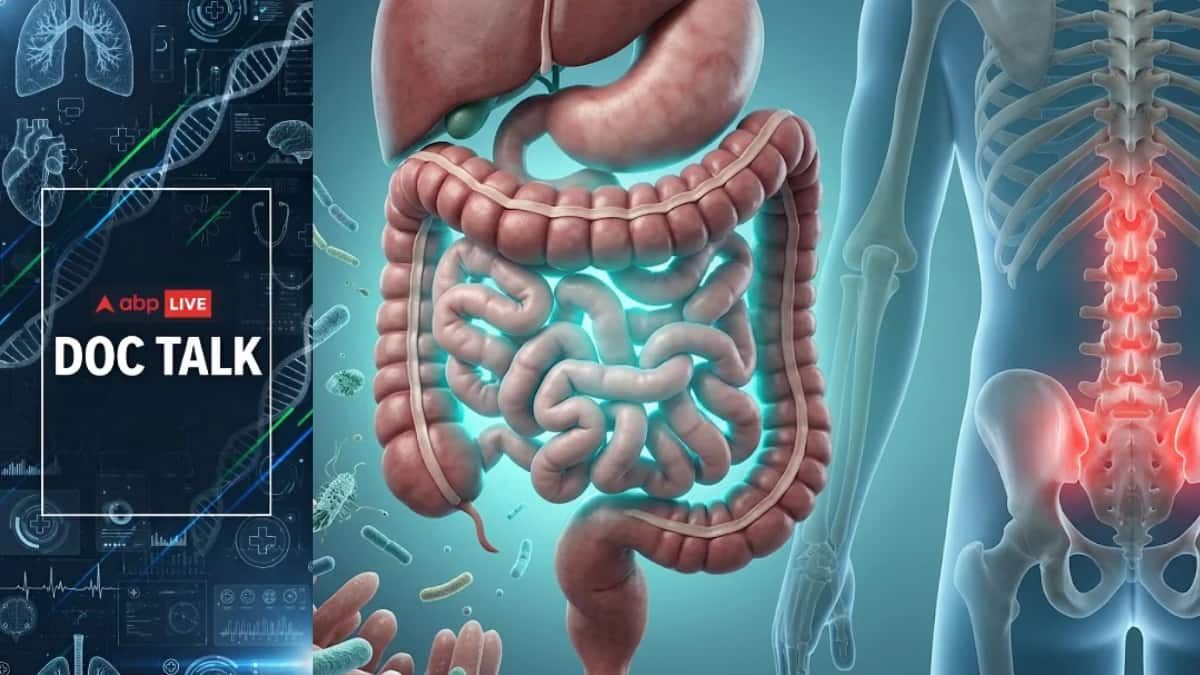
The gut microbiome may have a more significant role in joint health than previously understood. Emerging research suggests that changes in intestinal bacteria could influence inflammation, immune responses and metabolic processes, potentially affecting conditions such as spondyloarthritis. While scientists are investigating the connection between gut health and joint inflammation, the evidence is still developing.
Know how the gut microbiome could influence spondyloarthritis, why the condition progresses differently among patients and whether dietary changes or probiotics could eventually become part of its treatment.
ALSO READ: Doc Talk | Typing All Day And Waking Up With Numb Hands? Know The Possible Cause
How Gut Bacteria Could Influence Joint Inflammation
The gut microbiome consists of microorganisms that play an important role in digestion, metabolism and immune regulation. Research suggests that changes in the composition of intestinal bacteria may affect how the body regulates inflammation, potentially influencing the development and progression of certain diseases.
The biological connection between the intestines and joint tissues is an area of growing scientific interest. However, more research is required to establish how relevant this relationship is to spondyloarthritis.
Changes in gut bacteria can also alter the production of microbial metabolites. When intestinal permeability increases, substances that promote inflammation may pass into the bloodstream. This could activate immune pathways that affect cartilage, the synovium (the tissue lining the joints) and subchondral bone (the bone beneath the cartilage).
However, the extent to which these processes contribute to spondyloarthritis in humans remains uncertain.
Can Gut Health Explain Why Spondyloarthritis Affects People Differently?
Spondyloarthritis does not progress at the same rate in every patient. Even people with similar risk factors, including age, body mass index (BMI) and a history of joint injuries, may experience different levels of disease severity.
Variations in gut microbiome composition could be one of the factors behind these differences. Individuals may have different bacterial populations in their intestines, leading to variations in immune responses and metabolic activity.
Nevertheless, gut bacteria are unlikely to be the only factor determining how the condition develops. Several influences contribute to disease severity, and the microbiome's precise role requires further investigation.
What Does Research Say About The Gut Microbiome And Spondyloarthritis?
Although the connection between intestinal bacteria and spondyloarthritis has attracted scientific attention, the available evidence is not strong enough to establish a direct cause-and-effect relationship.
Much of the promising research comes from animal experiments and laboratory studies. While these findings offer useful insights into how gut bacteria might influence inflammation, they cannot independently establish the same effects in humans.
Some research also suggests that dietary changes and interventions targeting gut bacteria could potentially support disease management in the future. However, further human studies are necessary to establish their effectiveness and clinical relevance.
ALSO READ: Doc Talk | Antibiotics Not Working After 48 Hours? Signs You Should Not Ignore
Can Diet And Probiotics Help Manage Spondyloarthritis?
Modifying the gut microbiome through dietary changes, probiotics or other interventions is an area of ongoing interest. However, there is currently insufficient scientific evidence to recommend these approaches as established treatments for spondyloarthritis.
A balanced diet rich in fibre can support overall health and well-being, but it should not be considered a treatment for arthritis.
Before doctors can recommend probiotics or specific dietary interventions for managing the condition, stronger clinical evidence is needed to demonstrate their safety, effectiveness and potential benefits.
For now, the gut-joint connection remains an important area of research rather than an established treatment approach. Understanding how intestinal bacteria interact with the immune system could offer new insights into spondyloarthritis, but more human research is needed before these findings can translate into routine clinical care.
Disclaimer: The information provided in the article is shared by experts and is intended for general informational purposes only. It is not a substitute for professional medical advice, diagnosis, or treatment. Always seek the advice of your physician or other qualified healthcare provider with any questions you may have regarding a medical condition.
This content is published by ABP Live - Health and has not been created or edited by Hello Headlines. View original