Choti Diwali 2026: Why Is Narak Chaturdashi Celebrated? Know The Story Of Lord Krishna And Narakasura
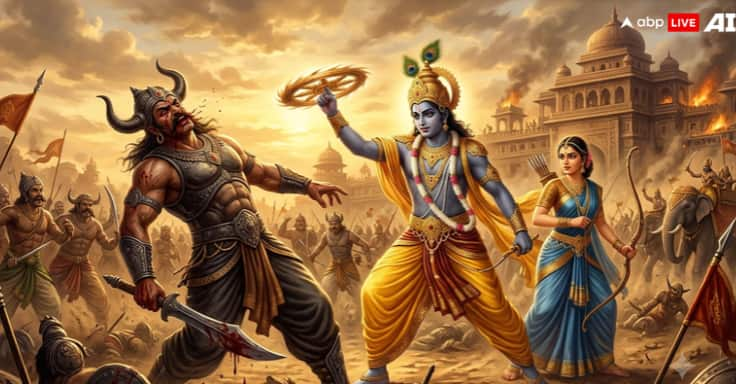
Choti Diwali, also known as Narak Chaturdashi, is an important festival celebrated during the five-day Diwali festivities. The day commemorates the victory of Lord Krishna over the demon king Narakasura, symbolising the triumph of good over evil. According to Hindu mythology, Narakasura had become a powerful and cruel ruler who troubled people and the gods. His defeat by Lord Krishna brought an end to his tyranny and freed those he had held captive.
Narak Chaturdashi is traditionally observed a day before Diwali, on the Chaturdashi Tithi of Krishna Paksha in the Hindu month of Kartik. It is popularly called Choti Diwali as it precedes the main festival of lights. However, in 2026, Choti Diwali and Diwali fall on the same date, Sunday, November 8. While Narak Chaturdashi rituals are performed in the morning, Lakshmi Puja takes place in the evening.
What Is The Story Behind Narak Chaturdashi?
The story of Narak Chaturdashi is associated with Narakasura, also known as Bhaumasura. According to Hindu mythology, he was a powerful ruler who gradually became arrogant and oppressive. His growing cruelty troubled people on Earth as well as the gods.
Narakasura had captured thousands of women and imprisoned them. He had also taken the earrings of Aditi, the mother of the gods, along with other divine possessions. Unable to control his increasing power and atrocities, the gods approached Lord Krishna for help.
Lord Krishna, accompanied by his wife Satyabhama, went to fight Narakasura. A fierce battle followed, during which Krishna defeated the demon king and freed the imprisoned women.
According to the Bhagavata Purana, Lord Krishna killed Narakasura using his Sudarshan Chakra. However, several popular regional versions of the story give Satyabhama a significant role in the final battle.
The defeat of Narakasura marked the end of his oppression and brought relief to those who had suffered under his rule. This victory became a symbol of the destruction of evil, liberation from fear and the restoration of peace.
ALSO READ | Dhanteras 2026: Know The Auspicious Puja Timings And Shopping Items For All 12 Zodiac Signs
Why Is Narak Chaturdashi Celebrated Before Diwali?
Chaturdashi and Diwali are closely connected through the message of overcoming darkness and welcoming positivity. While Narak Chaturdashi commemorates Lord Krishna's victory over Narakasura, Diwali is associated with the worship of Goddess Lakshmi, prosperity and the lighting of lamps.
Narak Chaturdashi falls on the Krishna Chaturdashi Tithi, which precedes Amavasya, the new moon day on which Diwali is celebrated. Together, the two occasions symbolise the journey from the destruction of evil towards happiness, hope and new beginnings.
The name Choti Diwali also comes from its position in the traditional sequence of Diwali celebrations. On this day, people clean and decorate their homes, light earthen lamps and prepare for the main festival.
In 2026, however, the two festivals fall on the same calendar date because of the timing of the lunar Tithis. Krishna Chaturdashi continues until 11:27 AM in New Delhi on November 8, after which Amavasya begins. This allows devotees to observe Narak Chaturdashi rituals in the morning and perform Lakshmi Puja in the evening.
How Is Narak Chaturdashi Celebrated?
Narak Chaturdashi is observed with various religious rituals and traditions across India. Although customs differ from region to region, some practices are commonly followed.
1. Abhyanga Snan: Devotees traditionally wake up before sunrise and take a ceremonial oil bath, known as Abhyanga Snan. Sesame oil and herbal ubtan are used in many households. The ritual is associated with purification and is believed to help remove negativity.
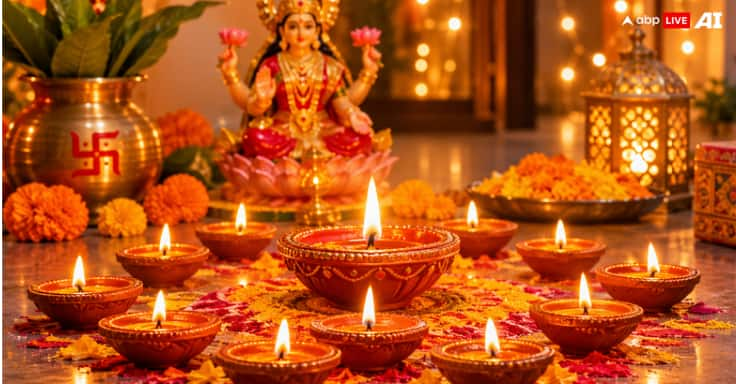
2. Lighting Diyas: Earthen lamps are lit inside and outside homes. Diyas symbolise the victory of good over evil and the removal of darkness. They also mark the beginning of the festive celebrations.
3. Wearing New Clothes: After the morning bath, family members wear clean or new clothes. In several parts of the country, this tradition marks the beginning of Diwali festivities.
4. Prayers And Offerings: Devotees offer prayers to Lord Krishna and follow regional customs associated with Narak Chaturdashi. In some traditions, lamps are also lit in honour of Yama, the god of death.
5. Regional Celebrations: In Goa, people prepare and burn effigies of Narakasura to symbolise his defeat. In parts of Maharashtra, a bitter fruit called karit is crushed underfoot as a symbolic representation of the demon's destruction. In South India, the early-morning oil bath holds special importance during Deepavali celebrations.
ALSO READ | Dhanteras 2026: Gold Or Silver? Prices Drop Ahead Of Diwali; Know What's Auspicious To Buy
What Is The Significance Of Narak Chaturdashi?
Narak Chaturdashi carries the message of courage, liberation and the victory of righteousness over evil. The story of Narakasura reminds devotees that power without compassion can lead to destruction. His defeat represents the end of oppression and the restoration of peace.
The rituals associated with the festival also hold symbolic importance. The pre-dawn bath represents purification, while lighting diyas signifies the removal of darkness and negativity. These traditions encourage people to leave behind negative thoughts and welcome positivity and fresh beginnings.
Narak Chaturdashi is therefore an important part of the Diwali celebrations. It reminds devotees of Lord Krishna's victory over Narakasura and sets the tone for the festival of lights, which celebrates prosperity, happiness and the triumph of good over evil.
[Disclaimer: The information provided here is based solely on beliefs and information. It's important to note that ABPLive.com does not endorse any beliefs or information. Consult a relevant expert before acting on any information or information.]
This content is published by ABP Live - Lifestyle and has not been created or edited by Hello Headlines. View original