Doc Talk | Kidney Stones: Is Drinking Eight Glasses Of Water Enough To Prevent Them?
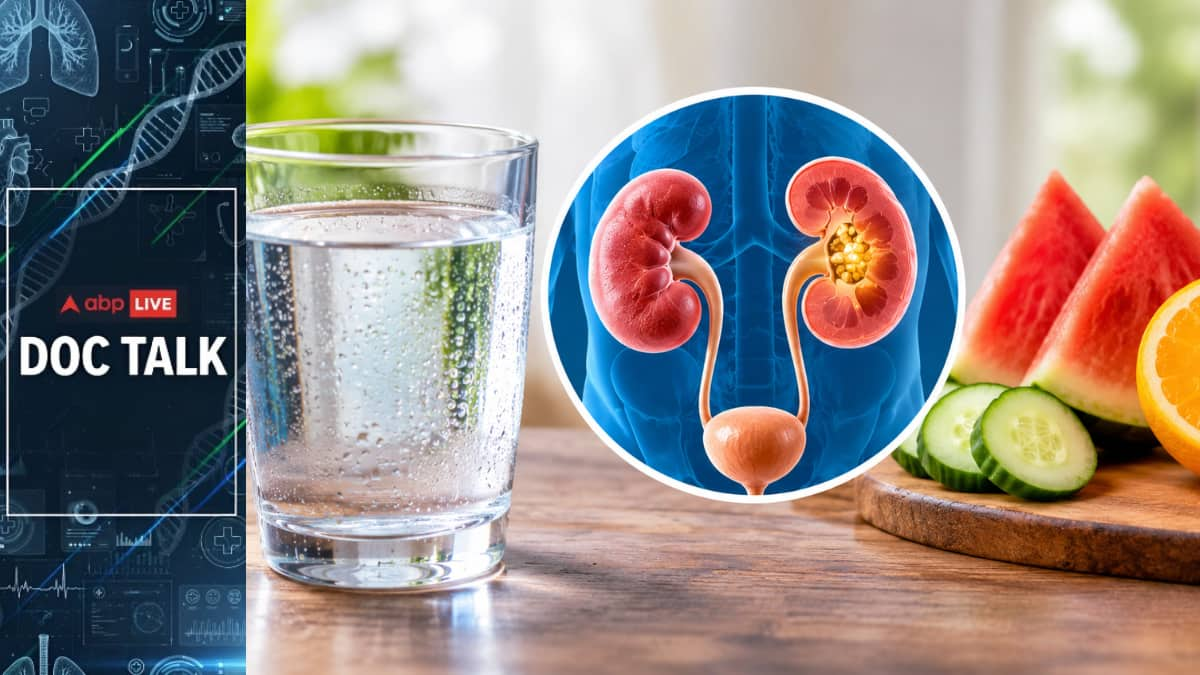
Drinking eight glasses of water a day is often considered the golden rule of hydration. But when it comes to preventing kidney stones, the focus should be on understanding your body's fluid needs and ensuring adequate urine output, rather than following a one-size-fits-all rule. Water is essential for the kidneys to filter waste products from the blood and remove them through urine. Yet, hydration is often overlooked in everyday health routines, particularly during long working hours, travel, or periods of increased physical activity. For people at risk of kidney stones, consistently drinking too little water can have consequences that go beyond thirst.
Signs and Symptoms of Poor Hydration and Kidney Stones
Early dehydration is often missed but can, in fact, increase the risk of stone formation over the longer term. One easy method to assess hydration is by noticing the urine colour. Pale yellow urine generally means adequate hydration, while dark yellow urine may suggest that you need to take more fluids.
ALSO READ | Doc Talk | Can Gut Bacteria Affect Spondyloarthritis? Doctor Explains The Link
Common warning signs include:
-
Dark yellow urine
-
Passing urine less frequently
-
Dry mouth and lips
-
Headache, fatigue, and dizziness
-
Muscle cramps
-
Constipation
When kidney stones develop, symptoms may include:
-
Severe pain in the back, side, or lower abdomen
-
Burning sensation while urinating
-
Blood in the urine
-
Frequent urge to urinate
-
Nausea and vomiting
-
Fever or chills accompanying kidney stones may indicate the presence of an infection.
Causes of Kidney Stones
The kidneys are responsible for removing waste products and excess minerals from the body via urine. If fluid intake is low, then the urine is going to be very concentrated, and the various minerals (calcium, oxalate, uric acid, etc.) can precipitate and form crystals. Over time, these crystals can grow into actual kidney stones. Several things can increase your risk of forming stones (hot weather, lots of sweating, insufficient fluid intake, a high-salt diet, obesity, recurrent UTIs, and various medical conditions). While tea and coffee in moderation also contribute to daily fluid intake, they should not replace water consumption. Excessive alcohol intake and certain medications may contribute to dehydration and increase the risk of stone formation.
ALSO READ | Doc Talk | Itchy, Red Eyes After Diwali? 7 Ways To Protect Your Eyes From Firecracker Smoke And Pollution
Five Ways to Stay Hydrated and Reduce Stone Risk
Drink Water Consistently: Throughout the day rather than drinking large quantities all at once, just sip some water regularly to keep yourself properly hydrated.
Monitor Urine Colour: Pale yellow urine is a good indicator of adequate hydration; dark urine may be a sign that you need to be drinking more fluids.
Increase Fluid Intake During Heat and Exercise: Extra fluids are required in hot weather, during physical activity and with any illness resulting in fluid loss.
Eat Water-Rich Foods: Include watermelon, cucumber, oranges, and other fruit and veg, of course, as these will all contribute to your hydration.
Reduce Salt and Sugary Drinks: High salt intake can increase the amount of calcium excreted in urine, which may contribute to kidney stone formation. Limiting excessive salt and sugary drinks can help reduce the risk.
Diagnosis and Treatment of Kidney Stones
Diagnosis starts with an assessment of the symptoms, diet, medical history, and fluid intake. Urine and blood tests are used to assess kidney function and to look for factors which may be promoting stone formation. If a kidney stone is suspected, then imaging (ultrasound or CT scan) will be used to establish the size and position of the stone. In the case of recurrent stones, specific urine tests may be used to help identify the cause.
Treatment is dependent on the size and position of the stone. Small kidney stones will generally pass on their own with increased fluid intake and painkillers. Larger stones do require intervention. RIRS with laser lithotripsy is a commonly performed minimally invasive procedure (without any external incision) where the stone is fragmented into smaller pieces using a laser through the natural urinary passage. Very large stones may require PCNL (percutaneous nephrolithotomy), a keyhole procedure performed through a small incision in the back.
For people who have had kidney stones, hydration becomes even more important. It is often recommended that people with a history of kidney stones drink enough fluids to produce at least 2.5 litres of urine a day to help prevent recurrence. The amount of water needed to achieve this varies from person to person and may be considerably more than eight glasses. It is also important to remember that drinking more water is not automatically better for everyone. People with certain kidney or heart conditions may need to limit their fluid intake and should follow their doctor's advice. The key is to understand your body's needs rather than follow a number simply because it is widely recommended.
This content is published by ABP Live - Lifestyle and has not been created or edited by Hello Headlines. View original