How Attero is using AI to solve recycling’s pricing and compliance challenges
A washing machine arriving at a recycling plant may look like a single product.
For a recycler, however, its value depends on what is inside, which components are missing, how much material can be recovered, and what it will cost to process.
Multiply those decisions across thousands of appliances, suppliers and locations, and recycling becomes a complex exercise in pricing, logistics and compliance.
At Attero, an Indian e-waste and battery recycling company, artificial intelligence is helping bring these decisions into a common system.
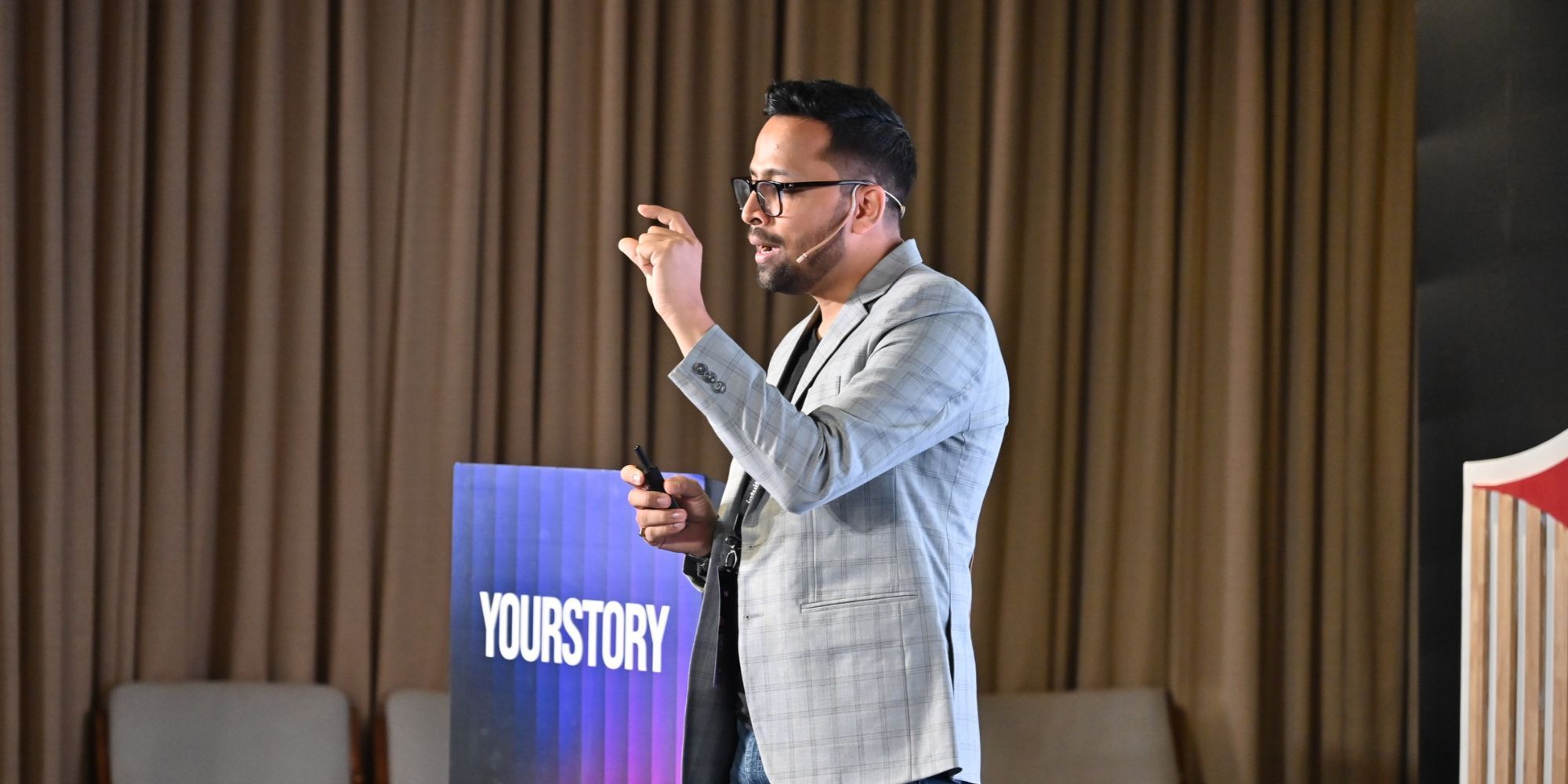
Speaking at TechSparks 2026, Ayush Agarwal, Head of Product and Technology at Attero, outlined how the company is using AI to value recyclable materials and ensure transactions comply with regulatory requirements.
Pricing scrap beyond human judgement
Attero processes around 200,000 metric tonnes of e-waste and 10,000 metric tonnes of lithium-ion batteries annually, Agarwal said. The company procures material worth more than Rs 1,000 crore a year, making accurate pricing important to its economics.
Unlike copper or gold, scrap does not have a single standard price on global commodity exchanges. Its value depends on recoverable materials, processing and transportation costs, as well as regional demand and supply.
Attero has built Matrix, an AI-powered pricing engine combining material intelligence with market intelligence. It estimates the components and recoverable metals in different appliances, and then uses machine learning models and commodity prices to calculate what the material should cost in a particular market.
A washing machine, for instance, could command different prices in Delhi and Mumbai because of logistics costs and local market conditions. The system draws on three years of recycling data, two years of exchange data, and information covering thousands of appliances.
“These decisions do not scale with human judgement,” Agarwal said, explaining why the company wanted to standardise pricing rather than expand teams to manage growing volumes.
Turning compliance into a data system
Pricing is only one challenge. Recycling companies must also maintain extensive records covering suppliers, transporters, invoices, vehicle documents, and regulatory requirements.
Attero has also developed Lightspeed, an AI-powered compliance engine that checks documents, reconciles information across records and flags exceptions for review. The system is designed to produce audit-ready reports that can help the company respond to regulatory or client queries years after a transaction.
Attero’s platform has processed 50,000 documents and flagged over 500 errors so far, according to Agarwal. The company aims to improve efficiency by 70%, enabling its existing team to handle four times as many documents without increasing headcount.
Making business performance visible
For Agarwal, AI’s value extends beyond automation. Connecting pricing decisions, procurement costs and recovered material values gives Attero a clearer view of profitability at the individual order level.
He said the company is also developing visual learning capabilities to identify incoming material from supplier images, with its image dataset growing from 10,000 towards a target of 100,000.
The broader lesson is that AI can create business value even in industries where the work remains physical. By making decisions more consistent and bringing fragmented operational data together, Attero strives to build systems designed to support growth without relying entirely on more people.
This content is published by YourStory and has not been created or edited by Hello Headlines. View original