5 lessons from book Be Delusional by Harinder Singh Pelia
What if believing in yourself before the world does is the first step towards achieving something extraordinary?
Most people wait for evidence before they start believing in their potential. They look for approval, reassurance and the right circumstances before pursuing ambitious goals. But what if the secret to success lies in believing that you are capable long before you have proof?
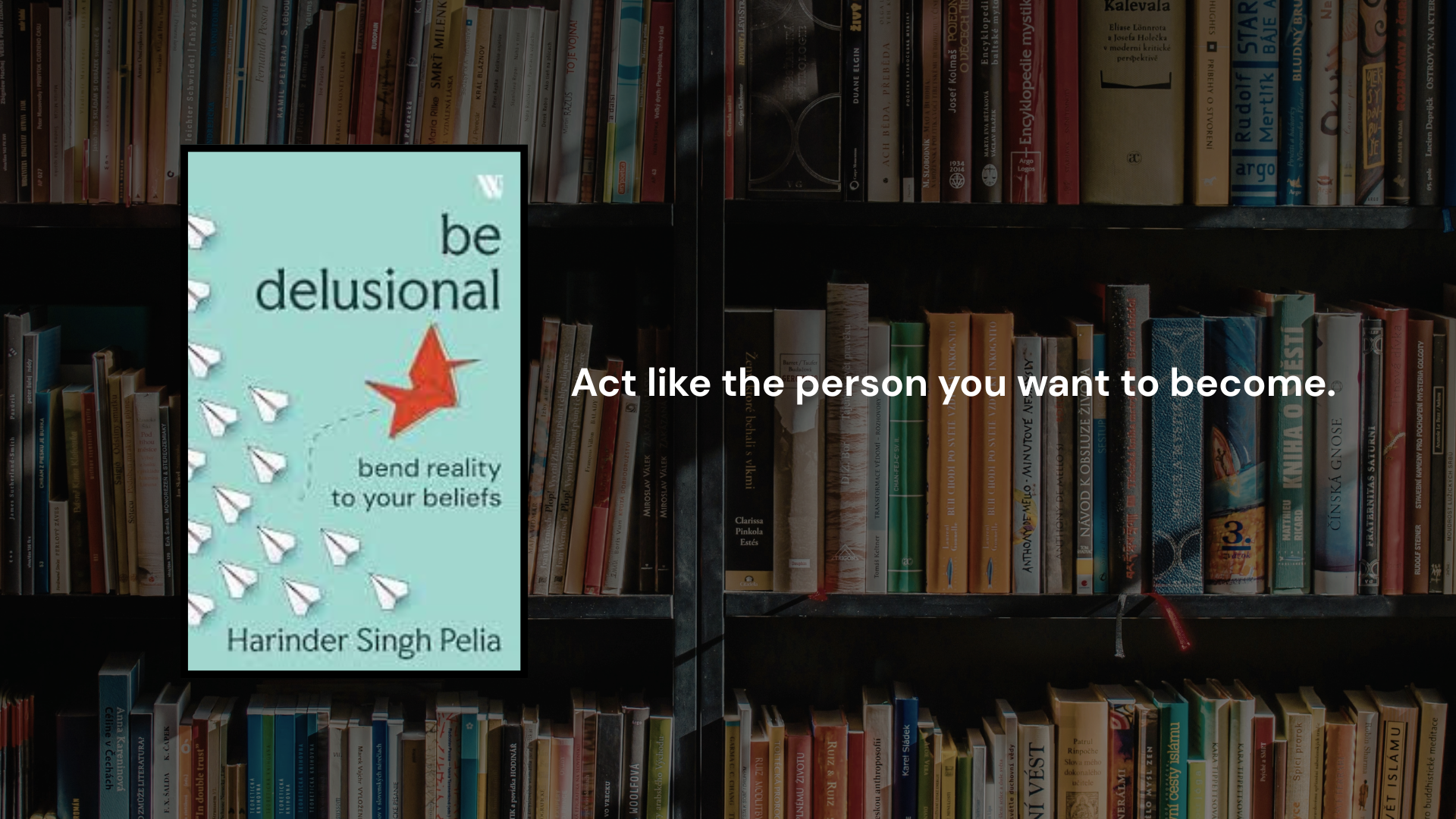
In Be Delusional: Bend Reality to Your Beliefs, author Harinder Singh Pelia explores how strong self-belief can influence ambition, behaviour and achievement. Drawing on psychology, real-life stories and practical exercises, the book challenges readers to question their limitations and develop the confidence to pursue seemingly impossible goals.
The book draws examples from personalities such as Sylvester Stallone, Lady Gaga and Kanye West, who believed in their abilities even when circumstances did not support their ambitions.
Here are five lessons to learn from Be Delusional that can change the way you approach your goals and ambitions.
5 lessons from Be Delusional by Harinder Singh Pelia
1. Believe in yourself before you have proof
One of the central ideas of the book is that successful people often believe in their abilities before they have anything to show for them. They do not necessarily wait for recognition, achievements or approval to develop confidence in themselves.
Consider Sylvester Stallone, who believed strongly in his potential as an actor despite facing rejection. Similarly, Lady Gaga continued pursuing her musical ambitions despite setbacks.
Their stories highlight an important lesson: confidence does not always come after success. Sometimes, it is what motivates people to work towards success in the first place.
The takeaway: Stop waiting for external validation to believe in your potential. Give yourself permission to pursue ambitions even when the results are uncertain.
2. Change the story you tell yourself
The way we describe ourselves can influence how we approach opportunities and challenges. If you constantly tell yourself that you are not talented enough, not experienced enough or not capable of achieving something, you may eventually start behaving as though those beliefs are facts.
Drawing on psychologist Dan McAdams' Narrative Identity Theory, Pelia explores how the stories people tell themselves contribute to their sense of identity.
Changing your internal narrative does not mean ignoring your weaknesses. It means refusing to let your past experiences become permanent definitions of who you are.
The takeaway: Instead of repeatedly telling yourself why you cannot achieve something, start building a narrative around the person you want to become.
3. Act like the person you want to become
Believing in a future version of yourself is important, but belief becomes meaningful when it influences your behaviour.
The book introduces a concept called the 'Lie Ladder', which describes different levels of belief and the behaviours associated with them. At the third level, a person begins acting like their desired future self in specific situations rather than simply thinking about their ambitions.
For instance, someone who wants to become a successful entrepreneur can start making decisions, building skills and taking responsibilities that align with that identity.
You do not have to wait until you achieve your goal to begin developing the habits associated with it.
The takeaway: Do not just visualise your future self. Start behaving like that person through small, consistent actions.
4. Stop letting other people's doubts define you
Ambitious goals often invite criticism, especially when they seem unrealistic to others. Friends, colleagues and even family members may question your decisions because they cannot see the possibilities you imagine.
However, other people's opinions do not necessarily determine what you are capable of achieving.
The stories explored in Be Delusional demonstrate how some successful personalities continued believing in their abilities despite rejection and scepticism. Their conviction helped them persist when external circumstances offered little encouragement.
This does not mean ignoring constructive criticism. Instead, it means learning to distinguish between useful feedback and opinions that simply discourage you.
The takeaway: Listen to advice that helps you grow, but do not allow someone else's limited expectations to become your own.
5. Turn ambitious beliefs into action
There is a difference between imagining an extraordinary future and actively working towards it. Positive thinking alone cannot guarantee success. It needs to be supported by effort, preparation, commitment and the willingness to take risks.
Pelia's book makes this distinction through its combination of psychological insights, real-world examples and practical exercises. It encourages readers to move beyond passive dreaming and develop a stronger commitment to their ambitions.
Whether you want to build a business, pursue a creative career or achieve a personal milestone, your beliefs should influence the decisions you make today.
The takeaway: Let your ambitions shape your actions. Believe in possibilities, but put in the work required to make them real.
Final thoughts
Be Delusional: Bend Reality to Your Beliefs by Harinder Singh Pelia challenges the conventional idea that people need evidence of success before they can believe in themselves.
The book presents self-belief as something that can be developed through the stories we tell ourselves, the identities we build and the actions we take. Its central message is not about blindly ignoring reality but about refusing to let current circumstances dictate the limits of future possibilities.
Sometimes, the first person who needs to believe in your dreams is you. And perhaps, being a little unreasonable about what you can achieve is exactly what encourages you to take the first step.
This content is published by YourStory and has not been created or edited by Hello Headlines. View original