6 Ways To Protect Your Lungs From Air Pollution And Asthma Triggers
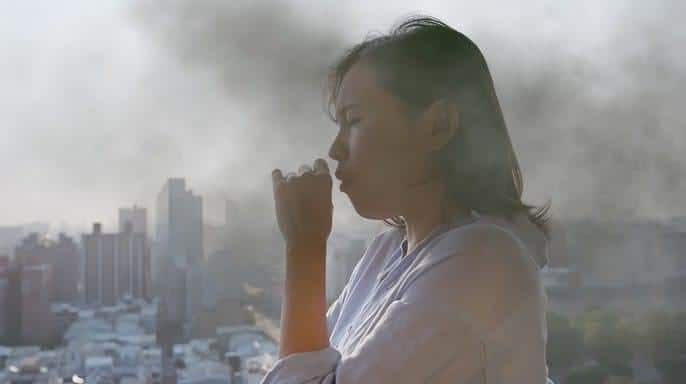
Air pollution is once again raising concerns across Delhi-NCR as air quality deteriorates with the onset of October. On October 22, Delhi recorded an Air Quality Index (AQI) of 223, according to the Central Pollution Control Board (CPCB). Rising pollution levels can worsen respiratory problems, particularly among children and people with asthma or other existing respiratory conditions. Exposure to polluted air can irritate the airways and trigger inflammation, leading to coughing, wheezing, chest tightness and breathing difficulties. Fine particulate matter, including PM2.5, can penetrate deep into the lungs and aggravate asthma symptoms. Monitoring air quality, recognising early warning signs and taking preventive measures can help reduce exposure.
How Air Pollution Can Worsen Asthma
People with asthma have sensitive airways that can become inflamed when exposed to environmental triggers. Pollutants such as PM2.5 and other airborne particles can irritate the respiratory tract, triggering asthma attacks or worsening existing symptoms. Children, people with asthma and those prone to allergies should be particularly cautious during seasonal changes. Checking the local AQI before stepping outdoors can help individuals plan their activities and limit exposure when pollution levels are high.
ALSO READ | Doc Talk | 12% Of India's Cancer Cases Linked To Infections: HPV, Hepatitis B And More
Symptoms Of Pollution-Related Respiratory Problems
Air pollution can trigger or aggravate several respiratory symptoms. Common warning signs include persistent coughing, throat irritation, chest tightness, shortness of breath and wheezing, which may sound like a whistling noise while breathing. Eye irritation can also occur following exposure to polluted air. People with asthma should pay close attention to any increase in the frequency or severity of their symptoms. If breathing difficulties persist or worsen despite prescribed medication, they should seek medical advice promptly. Severe breathing difficulty requires immediate medical attention.
How To Protect Yourself From Air Pollution
Monitor The AQI Before Going Outdoors
Check the local Air Quality Index before planning outdoor activities. When pollution levels are high, postpone non-essential outdoor tasks where possible and limit the time spent outside. Children and people with respiratory conditions should take extra care during periods of poor air quality.
Avoid Strenuous Outdoor Exercise
Running, jogging and other intense physical activities can increase the amount of polluted air inhaled. On days when air quality is poor, consider exercising indoors or adjusting your workout schedule according to local pollution levels.
Wear A Well-Fitting Mask
If going outdoors is unavoidable during periods of high pollution, a well-fitting N95 respirator can help reduce exposure to fine airborne particles. Ensure that the mask fits snugly around the face, as gaps can reduce its effectiveness.
Reduce Indoor Exposure To Pollutants
Indoor pollutants, including dust, smoke and strongly scented products, can also irritate the airways. Avoid smoking indoors and minimise activities that generate smoke or fumes. Keeping indoor spaces clean can help reduce exposure to common respiratory triggers.
Manage Indoor Ventilation Carefully
Opening windows for extended periods when outdoor air quality is poor can allow pollutants to enter the home. Keep windows closed during periods of heavy pollution where practical, and ventilate rooms when outdoor air quality improves. An appropriately sized air purifier with a HEPA filter may also help reduce airborne particles indoors.
ALSO READ | US FDA Approves New Hepatitis B Treatment: Can Patients Finally Stop Taking Antivirals?
Follow Your Asthma Treatment Plan
People with asthma should take prescribed medication as directed by their doctor and keep their reliever inhaler accessible if one has been prescribed. Medication should not be stopped or changed without medical advice. Those experiencing frequent flare-ups or worsening symptoms should consult their healthcare provider to review their asthma management plan.
As pollution levels fluctuate across Delhi-NCR, staying informed about air quality and limiting exposure to polluted air can help reduce respiratory irritation. Recognising early symptoms and following appropriate precautions are particularly important for children and people with asthma during the coming months.
[Disclaimer: The information provided in the article is intended for general informational purposes only. It is not a substitute for professional medical advice, diagnosis, or treatment. Always seek the advice of your physician or other qualified healthcare provider with any questions you may have regarding a medical condition.]
This content is published by ABP Live - Health and has not been created or edited by Hello Headlines. View original