5 Lessons to Learn from Why Does He Do That? by Lundy Bancroft
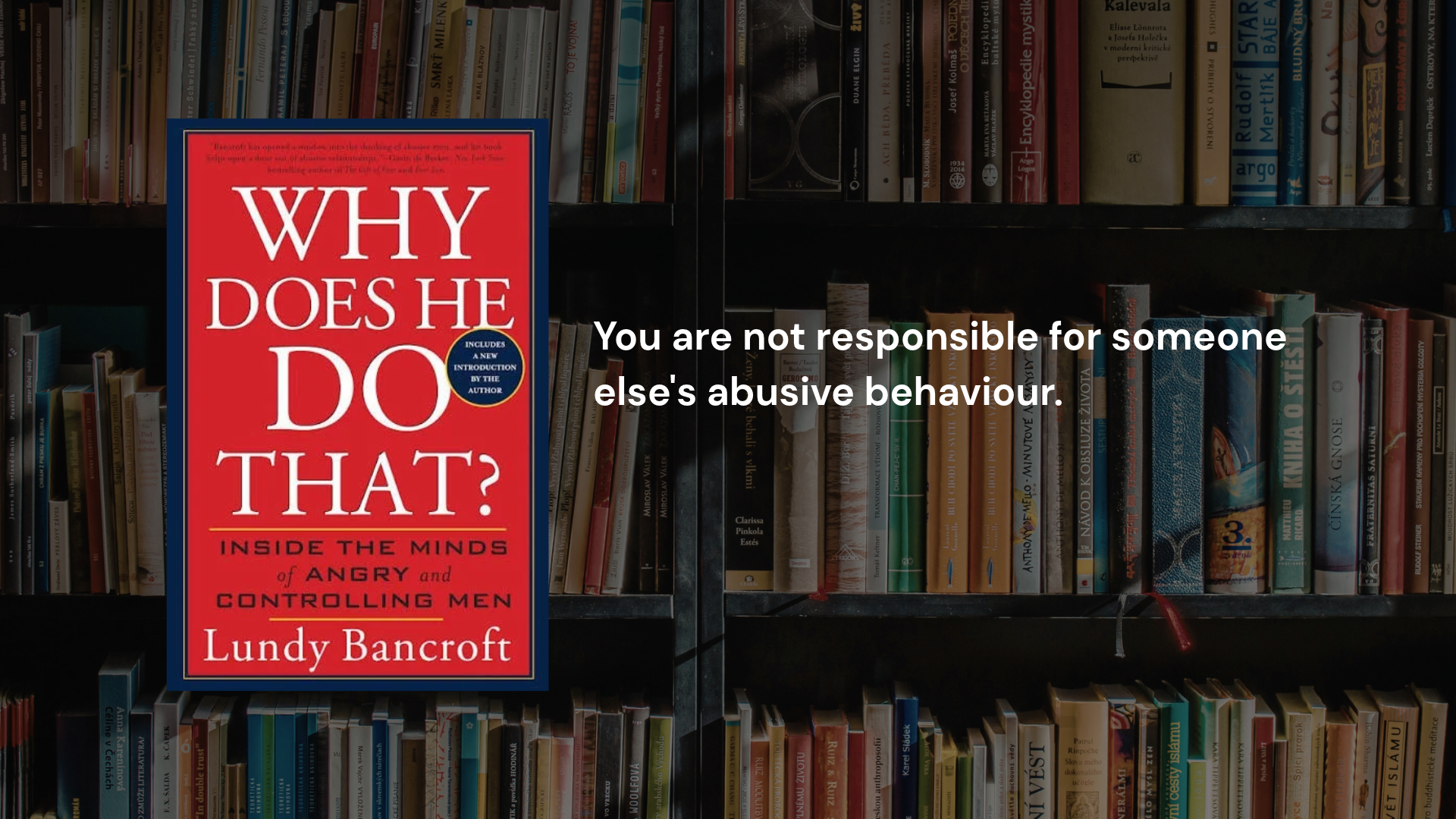
Why does someone who claims to love you also make you feel afraid, guilty, or unworthy? In Why Does He Do That? Inside the Minds of Angry and Controlling Men, author Lundy Bancroft explores the behaviour of abusive and controlling men, challenging common misconceptions about abuse and relationships.
Drawing on his experience working with abusive men, Bancroft explains how controlling behaviour can develop through beliefs about entitlement, power, and relationships. The book encourages readers to look beyond apologies and promises and pay attention to patterns of behaviour.
5 Important lessons to learn from the book
1. Abuse is about power and control
One of the central lessons of the book is that abuse is not always about anger or losing control. It can also involve deliberate attempts to maintain power over a partner.
Abusive behaviour may include monitoring someone's activities, restricting their friendships, controlling finances, or making them feel guilty for expressing their needs. These actions can gradually undermine a person's independence.
Bancroft encourages readers to recognise that abuse involves more than physical violence. Emotional manipulation, intimidation, and coercive control can also cause significant harm.
Lesson: A healthy relationship respects your independence. Love should never require you to surrender your freedom, friendships, or sense of self.
2. Apologies do not always mean change
An apology can feel reassuring, especially when someone you love promises never to hurt you again. However, Bancroft highlights the importance of examining what happens after the apology.
In unhealthy relationships, apologies may be followed by affection, promises, and temporary improvements. Yet the same harmful behaviour can return when the person feels comfortable again.
Genuine change requires more than regret. It involves accepting responsibility, acknowledging the harm caused, challenging harmful beliefs, and consistently behaving differently over time.
It is also important to remember that not every apology is manipulative. The key is whether the person takes meaningful responsibility and respects the other person's boundaries.
Lesson: Do not judge change by promises alone. Look for consistent actions, accountability, and respect over time.
3. You are not responsible for someone else's abusive behaviour
People experiencing abuse often question themselves. They may wonder whether they were too demanding, too emotional, or not understanding enough. They might even believe that behaving differently could prevent future incidents.
Bancroft challenges this way of thinking by examining the attitudes and beliefs that can underpin abusive behaviour. A person's decision to intimidate, manipulate, or control their partner is not simply the result of their partner's imperfections.
Every relationship has disagreements, and both people can make mistakes. However, ordinary conflict is different from a repeated pattern of intimidation, humiliation, or control.
Understanding this distinction can help people stop carrying responsibility for behaviour they did not choose.
Lesson: You can reflect on your own actions without accepting blame for another person's decision to abuse or control you.
4. Emotional manipulation can be difficult to recognise
Abuse does not always begin with obvious threats or aggression. Sometimes, it develops through subtle behaviours that gradually affect a person's confidence and understanding of their own experiences.
A controlling partner might dismiss your feelings, blame you for every disagreement, question your memory, or make you feel selfish for setting boundaries. Over time, these patterns can leave you doubting your judgement and prioritising the other person's emotions over your own wellbeing.
Bancroft's work encourages readers to examine the broader pattern rather than treating every incident as an isolated disagreement.
Also Read Beat manipulation: 5 mind games and how to outsmart them
Not every argument or insensitive comment is evidence of abuse. What matters is the repeated use of behaviour to intimidate, diminish, or control another person.
Lesson: Pay attention to patterns that make you feel afraid, powerless, or constantly responsible for keeping someone else happy. Your feelings and boundaries deserve respect.
5. You cannot change someone who refuses to take responsibility
One of the most difficult lessons in the book is that love, patience, and understanding cannot guarantee that an abusive person will change.
A partner may have experienced trauma, struggled with anger, or faced difficult circumstances. These experiences can help explain aspects of someone's behaviour, but they do not excuse abuse.
Lasting change requires the person engaging in harmful behaviour to recognise the problem, challenge their sense of entitlement, accept responsibility, and make sustained efforts to behave differently.
The person experiencing abuse cannot do this work on their behalf. They are not obligated to remain in a harmful relationship while waiting for change.
If you are experiencing abuse, seeking support from trusted people or a domestic abuse service can help you understand your options and consider your safety.
Lesson: You can care about someone without taking responsibility for fixing them. Protecting your wellbeing is not a failure of love.
Final thoughts
Why Does He Do That? by Lundy Bancroft offers a deeper understanding of abusive and controlling behaviour, helping readers recognise patterns that can otherwise be difficult to explain.
Its central message is that abuse should not be dismissed as ordinary relationship conflict, uncontrolled anger, or a problem that one partner can solve through greater patience. Understanding the role of power, entitlement, and accountability can help people evaluate their relationships more clearly.
Ultimately, a healthy relationship should make room for mutual respect, personal freedom, emotional safety, and accountability. Love is not measured by how much mistreatment someone can tolerate, but by how both people treat each other.
This content is published by YourStory and has not been created or edited by Hello Headlines. View original